European Snacks for Retail: How to Build a Shelf That Feels Imported, Interesting, and Actually Sellable
Kort sammanfattat
To succeed with European snacks for retail, curate a balanced mix of familiar chocolate bars, better-for-you protein snacks, and Eastern European discoveries. Focus on retail-ready supply, clear labeling, and private label opportunities to drive repeat purchases across supermarkets, gyms, and e-commerce channels.
TL;DR
- Build a profitable European snack shelf by combining high-impulse chocolates with functional protein options and curated boxes, supported by reliable B2B supply chains.
European Snacks for Retail: A Practical Blueprint for Curating an Imported‑Feeling Shelf
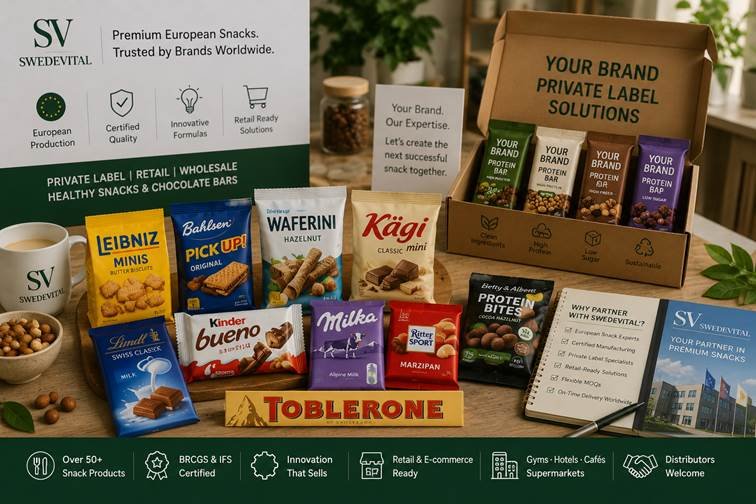
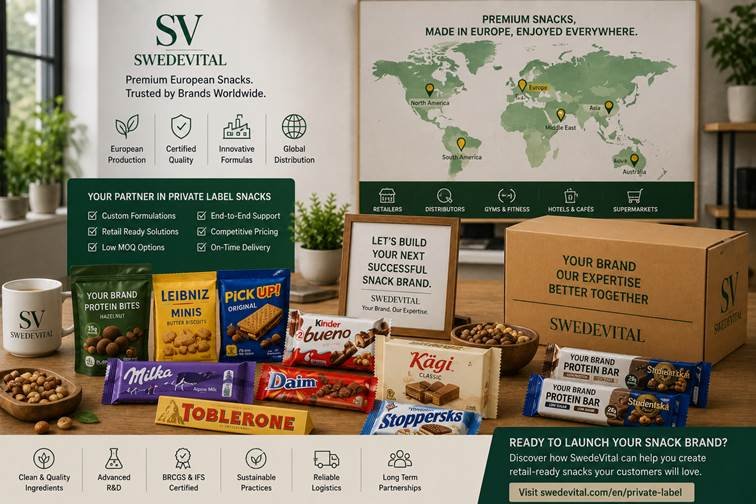
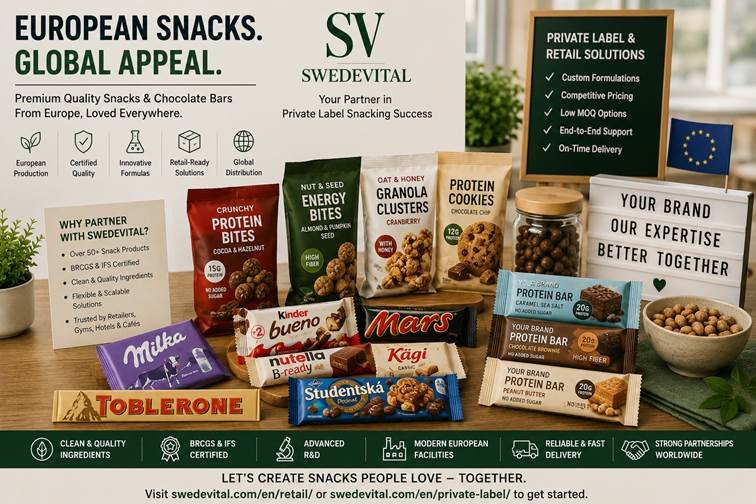
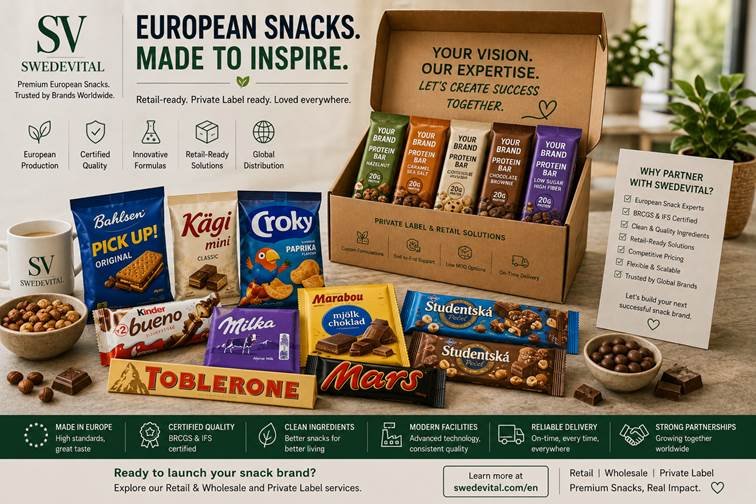
The European snack market is projected to hit USD 197.53 billion in 2026, growing at a steady 4.08% CAGR through 2031. Retailers who can translate this size into shelf space that feels genuinely imported, intriguing, and profitable will capture the growing consumer appetite for “snack as a lifestyle” rather than just a quick bite.
Step 1: Define Your Imported Narrative
Consumers judge European snacks not only by taste but by the story behind them. A clear narrative lets you group products, set price points, and design packaging that feels authentic.
- Country of Origin Focus: Highlight a single country or region (e.g., “Swiss‑crafted chocolate bites”) to create a micro‑brand identity within your shelf.
- Ingredient Transparency: Emphasise local ingredients—sea salt from the Adriatic, hazelnuts from Austria, lentils grown in the Mediterranean—to reinforce authenticity.
- Sustainability Angle: European producers often follow stricter environmental standards; use this as a selling point for eco‑conscious shoppers.
Step 2: Curate a Balanced Product Mix
A successful shelf balances novelty, familiarity, and health positioning. Use the following matrix to decide which categories to include:
| Category | Why It Works |
|---|---|
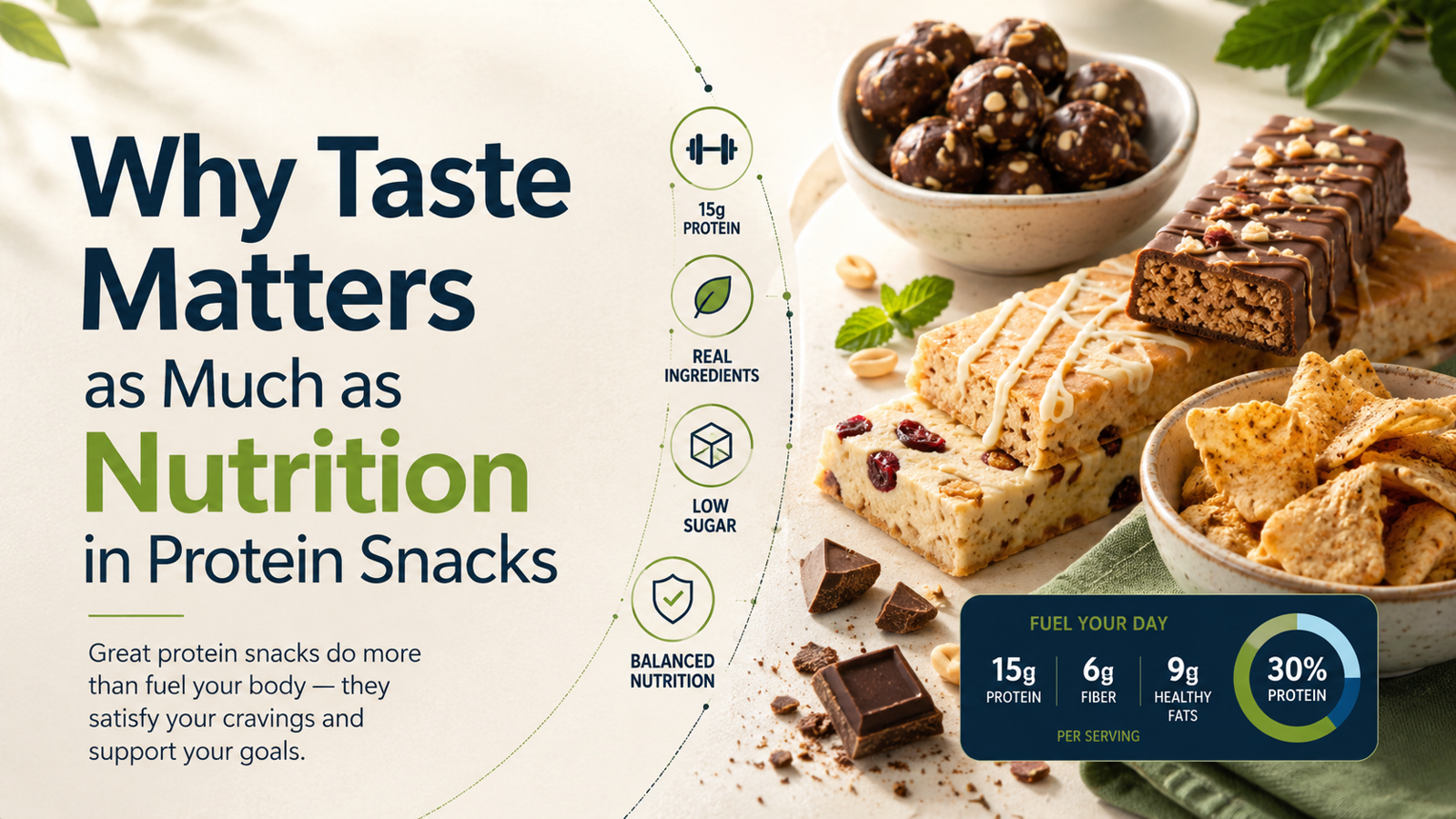
| Protein‑Rich Bites | Appeals to fitness‑savvy shoppers; aligns with rising protein demand. |
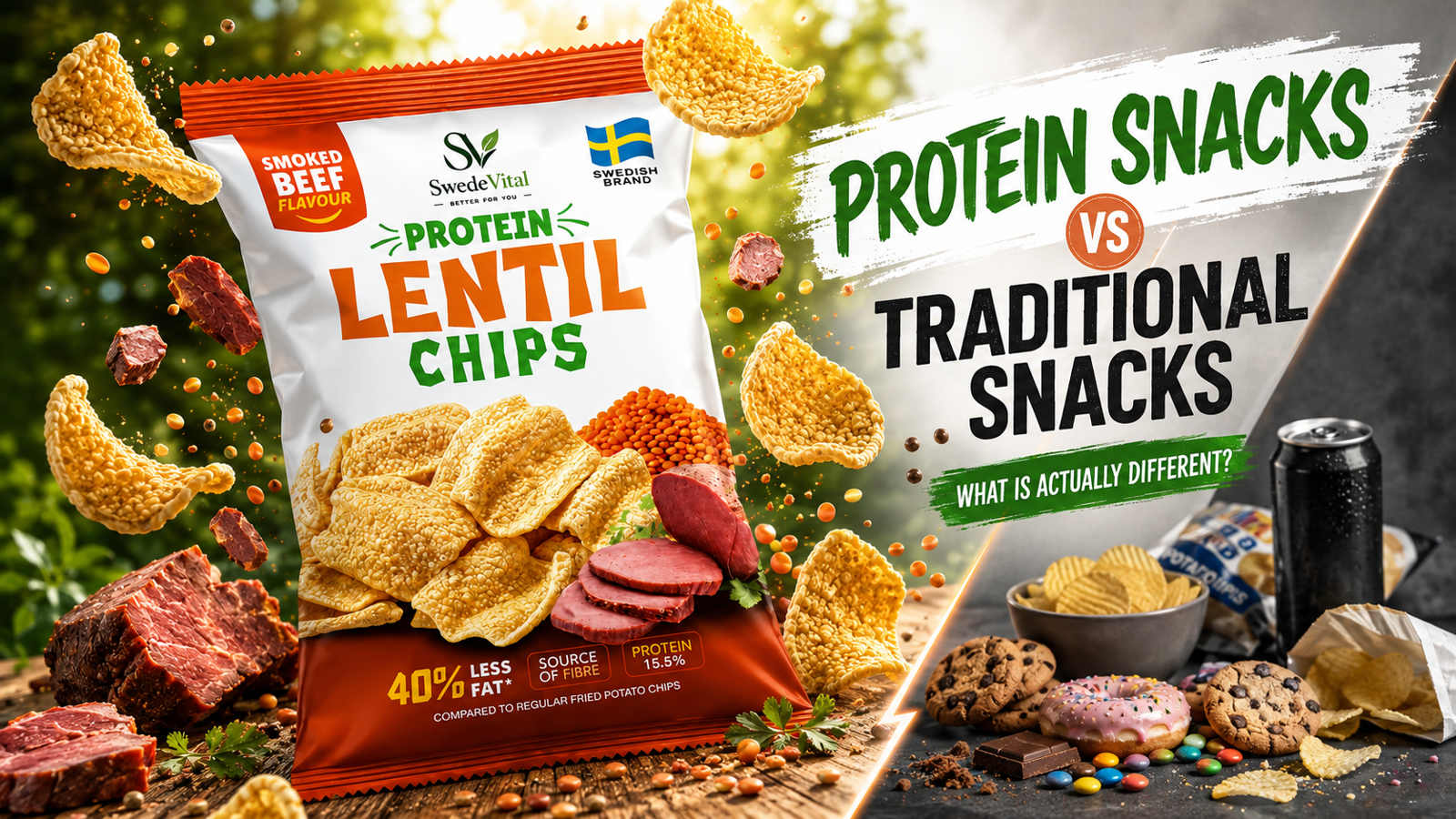
| Lentil Chips | Offers a plant‑based alternative to traditional potato chips; high fiber content. |
| Traditional European Biscuits | Provides comfort food nostalgia; easy cross‑sell with drinks. |
| Sugar‑Free or Low‑Calorie Options | Catches health‑conscious consumers looking for guilt‑free indulgence. |
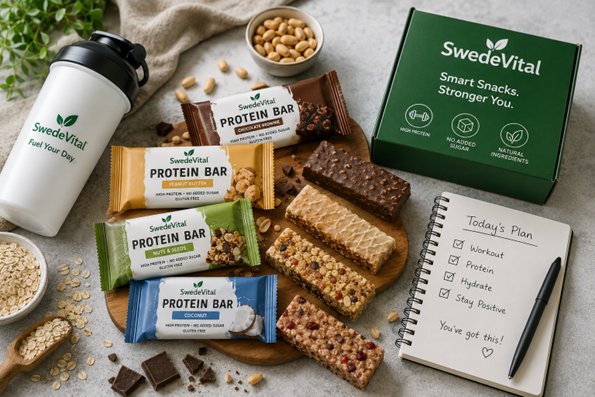
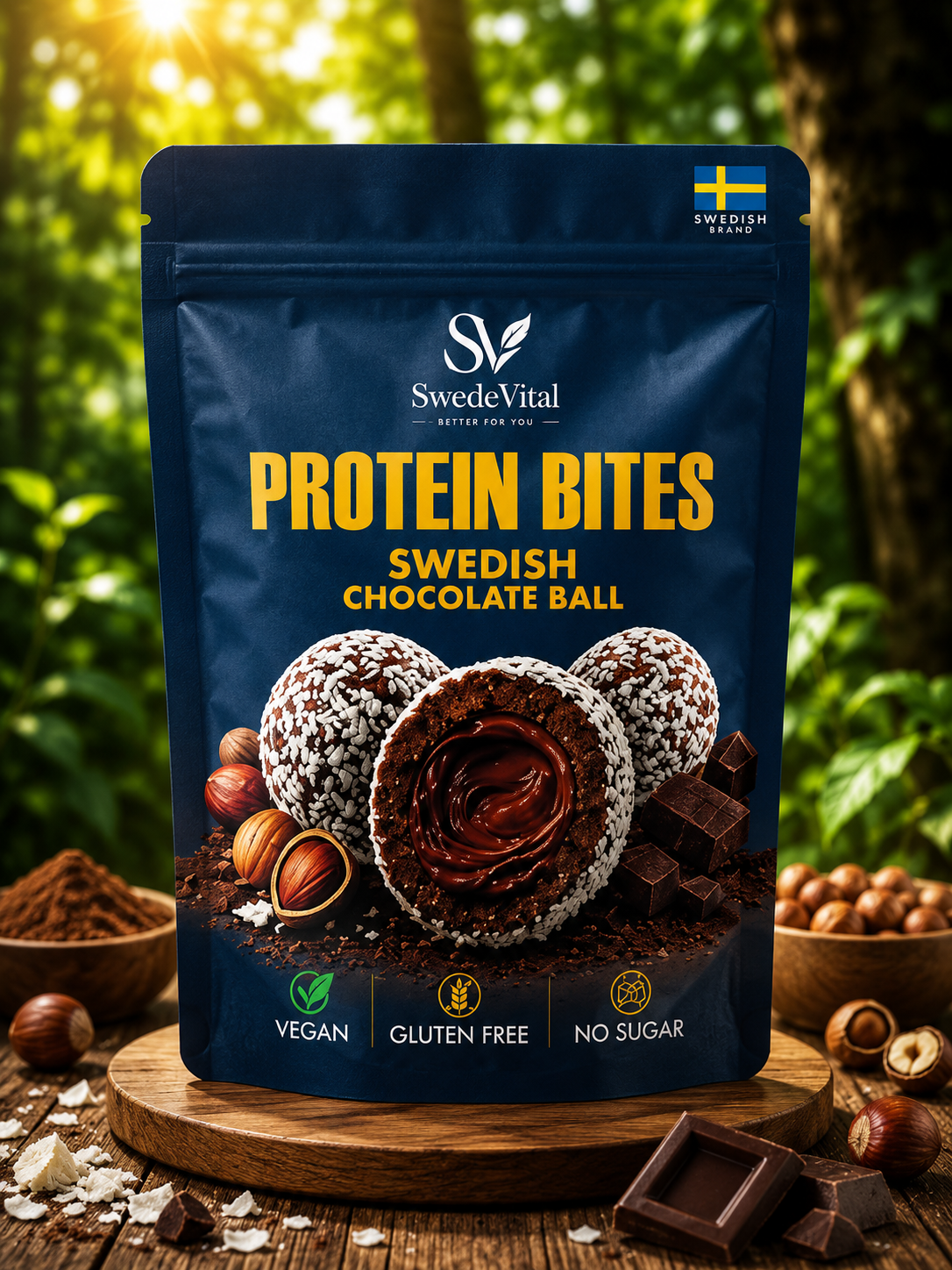
For example, a shelf could feature SwedeVital Protein Bites in three flavors and Lentil Chips in four varieties, covering both protein and plant‑based snack segments.
Step 3: Design the Visual Flow
- Anchor Item: Place a flagship product—such as a premium chocolate ball—in the center of the shelf to draw attention.
- Color Cohesion: Use packaging colors that reflect European heritage (deep reds for Swiss chocolate, earthy greens for Mediterranean lentils).
- Storytelling Labels: Add small QR codes linking to a short video about the product’s origin; this tech touch feels modern yet rooted in tradition.
Step 4: Pricing Strategy Aligned with Imported Perception
European snacks often command a premium. Use tiered pricing to signal quality while offering value options.
- Premium Tier: Protein Bites (150 g) priced at €2.99–€3.49.
- Mid‑Tier: Lentil Chips (50 g) priced at €1.29–€1.59.
- Value Pack: Bundle two flavors for a small discount, encouraging trial without diluting the premium image.
Step 5: Leverage Shelf Placement Data
Retail studies show that snacks placed at eye level and near complementary items (e.g., dairy or coffee) see higher impulse purchases. Position your European snack line adjacent to organic milk, artisanal cheeses, or specialty coffees to create a natural pairing.
Step 6: Monitor Performance and Iterate
Track sales velocity, stock‑out frequency, and customer feedback. Use this data to adjust the mix—perhaps adding a new flavor or removing underperforming items. A dynamic shelf keeps shoppers curious and returns for more.
By following these six steps—narrative definition, balanced mix, visual flow, pricing alignment, strategic placement, and continuous iteration—you’ll build a European snack section that feels genuinely imported, sparks
Vanliga frågor
What types of European snacks sell best in retail?
The best-selling European snacks for retail include familiar chocolate bars, better-for-you protein bites and bars, Eastern European wafers and biscuits, and curated snack boxes that offer variety and gifting appeal.
How can retailers differentiate their European snack section?
Retailers can differentiate by offering a mix of high-impulse sweets and functional health snacks, ensuring clear EU labeling, barcode readiness, and storytelling around regional origins to create curiosity without confusion.
What is the benefit of private label European snacks?
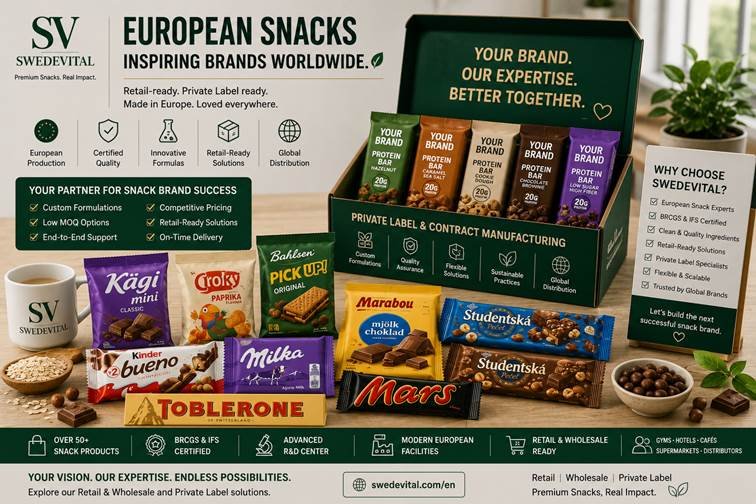
Private label European snacks allow retailers and distributors to build brand loyalty with custom formulations, low MOQ testing, and exclusive packaging, moving beyond reselling generic imported goods.