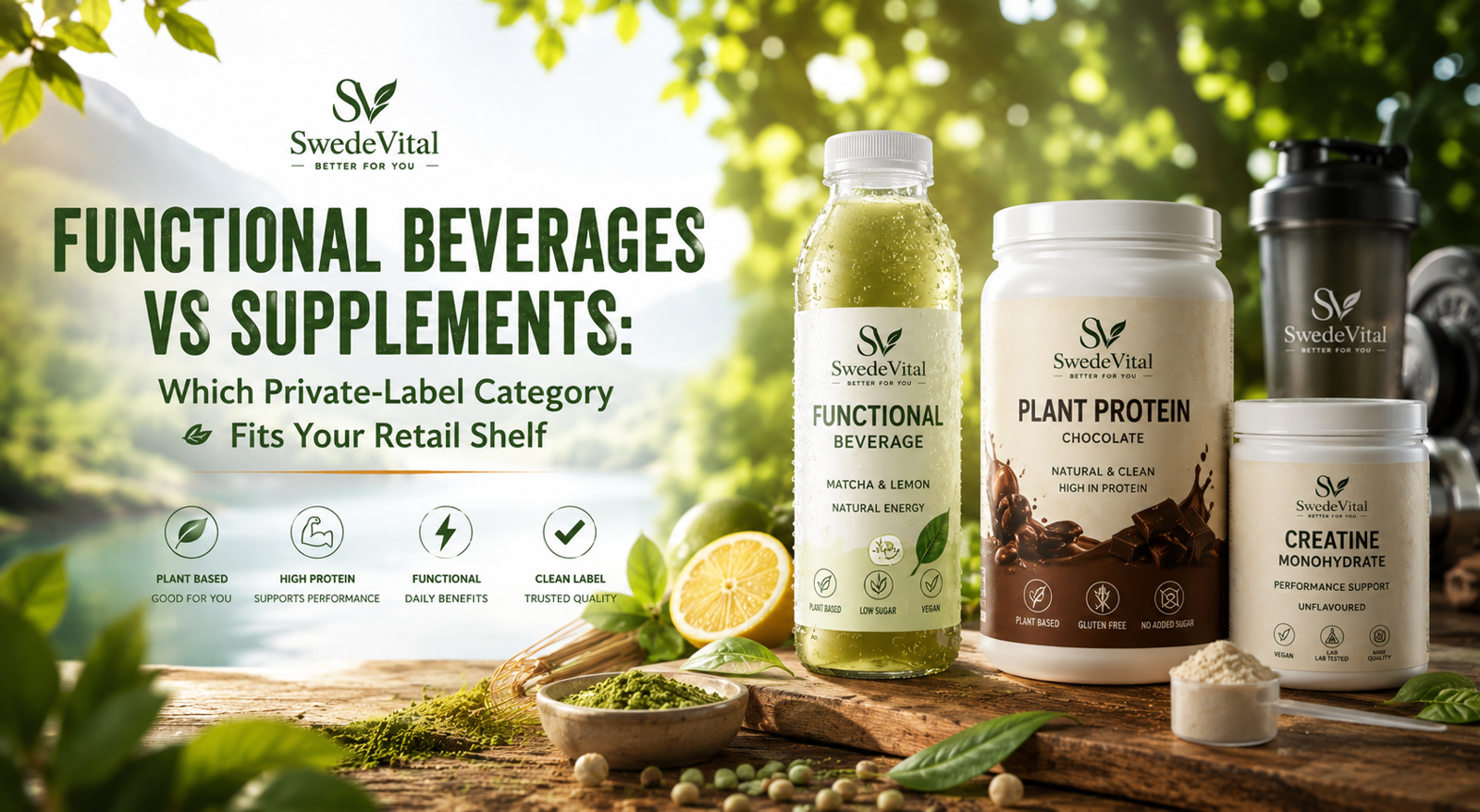
Functional Beverages vs Supplements: Which Private-Label Category Fits Your Retail Shelf
Kort sammanfattat
Functional beverages offer immediate convenience and compete with soft drinks, appealing to active health interventions. Supplements provide higher potency and specialized formulations but require intentional usage. For private label success, balance beverage convenience with supplement trust through rigorous manufacturing standards and targeted ingredient transparency.
TL;DR
- Choose functional beverages for convenience-driven daily routines or supplements for high-potency, specialized needs, balancing both on your shelf to meet evolving 2026 wellness demands.
Choosing the Right Private‑Label Category: Functional Beverages or Supplements?
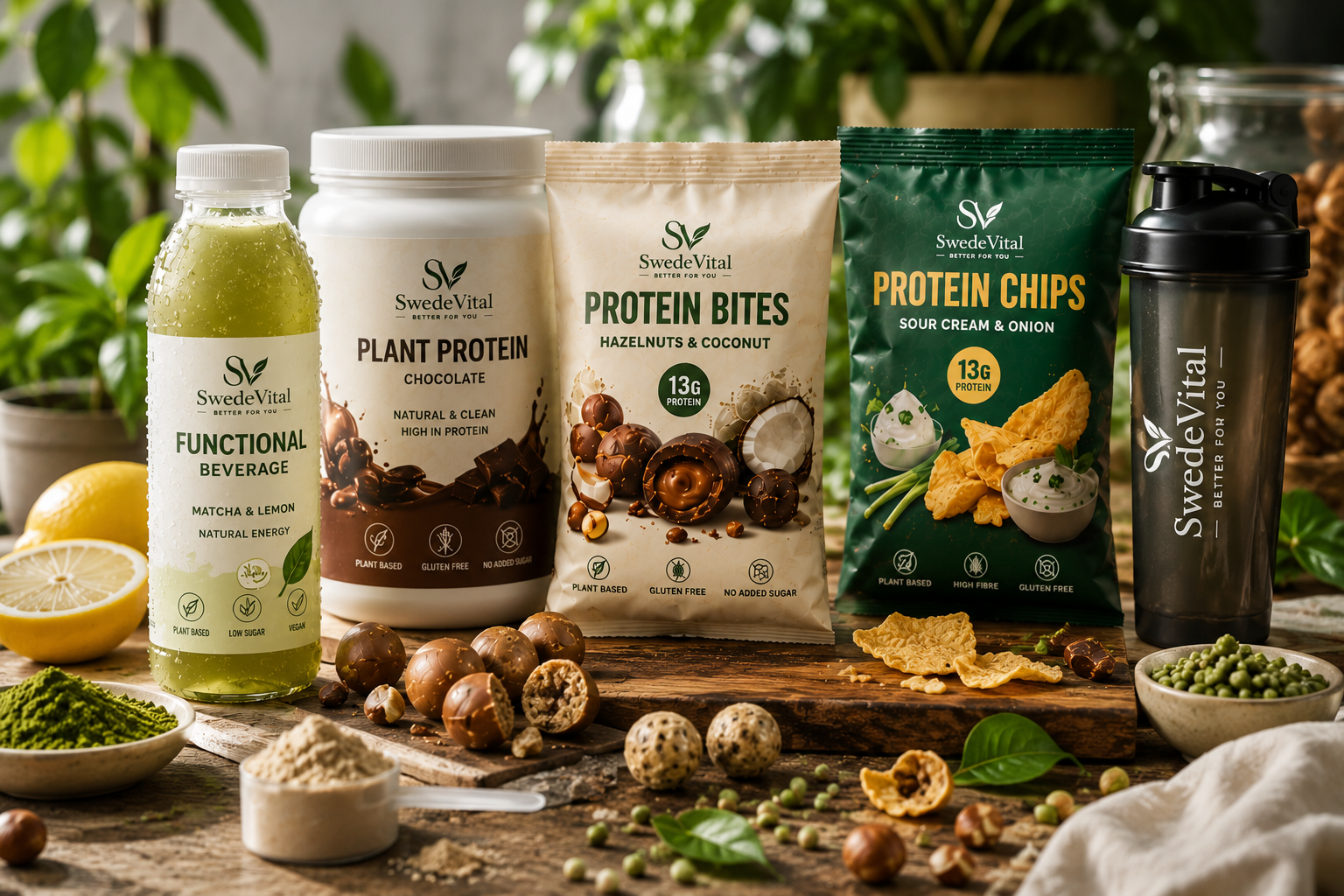
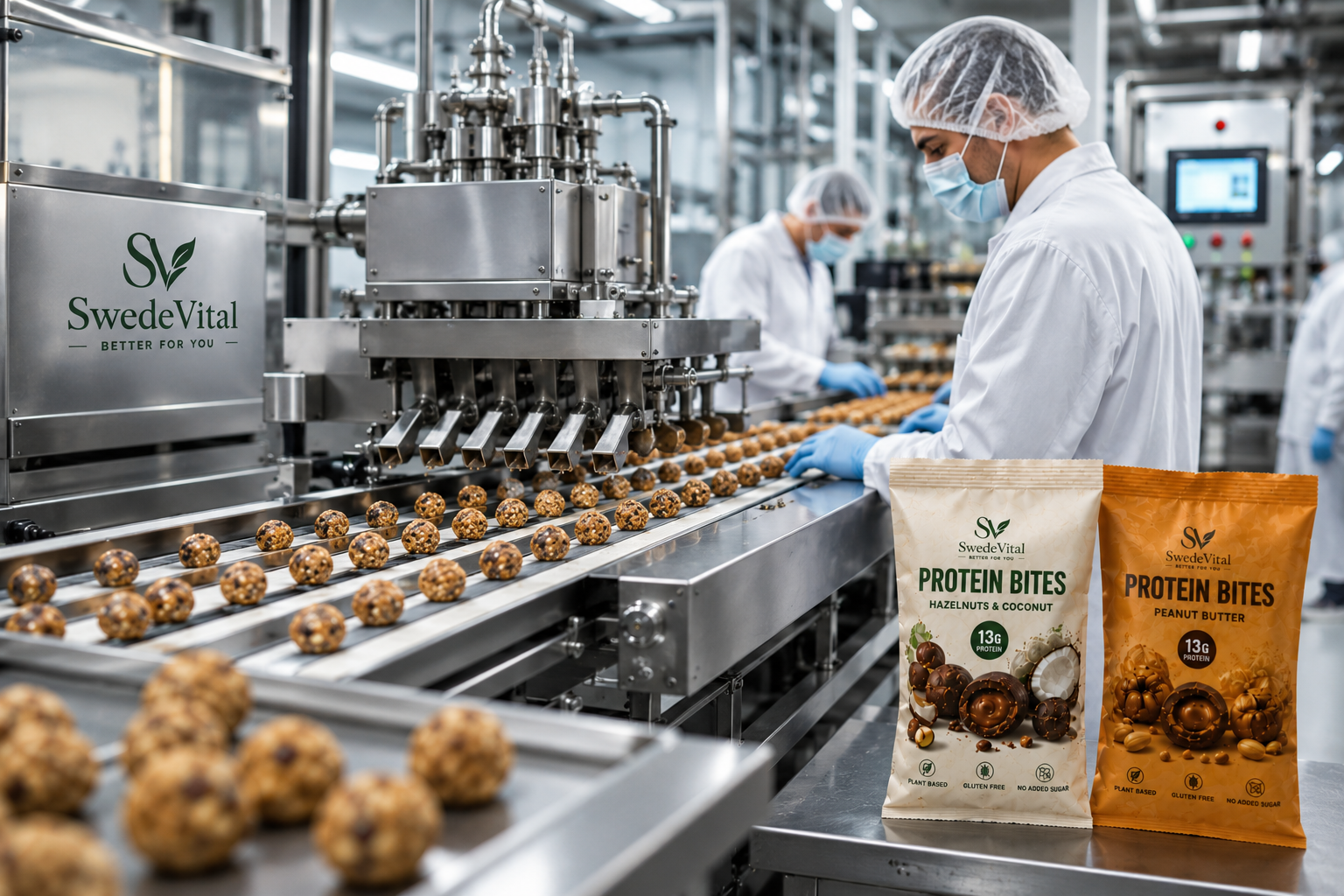
The first question any retailer faces when expanding a health‑focused shelf is whether to stock a functional beverage or a supplement. Both promise wellness benefits, yet they differ in regulation, consumer perception, and shelf life. Below is a practical decision framework that lets you weigh the trade‑offs and pick the category that aligns with your brand strategy.
1. Clarify Your Core Value Proposition
Functional beverages appeal to shoppers who want an immediate, convenient source of hydration plus a health boost—think electrolytes, adaptogens, or plant‑based protein drinks. They are often marketed as “daily wellness” or “performance enhancers.”
Supplements, on the other hand, target consumers seeking targeted nutrient delivery (e.g., vitamin D, omega‑3, or nootropic blends). The messaging is usually more clinical: “support immune function,” “boost cognitive performance,” etc.
“If there’s a Supplement Facts label, I have to use a different buyer,” said BJ McCaslin, co‑founder of Holy! Water. “If there’s a Nutrition Facts label, I have to use a different buyer.” source
Ask yourself: Are you selling a drink that people will sip throughout the day, or a capsule/tablet they’ll take once or twice daily? The answer sets the regulatory path.
2. Map the Regulatory Landscape
- Functional beverages must display a Nutrition Facts label (21 CFR 101.9). They cannot make unsubstantiated health claims unless they qualify as a dietary supplement, which would shift them into the supplement category.
- Supplements require a Supplement Facts panel and are subject to stricter ingredient disclosure rules. The FDA’s guidance on distinguishing liquid supplements from beverages clarifies that any product with a Supplement Facts label is treated as a supplement regardless of its form (e.g., drinkable capsules). source
Because labeling drives buyer selection, ensure your chosen category aligns with the packaging you plan to offer.
3. Evaluate Shelf Life and Storage Requirements
- Beverages typically have a shorter shelf life (6–12 months) and require refrigeration or controlled temperature if they contain live cultures or perishable ingredients.
- Supplements can last 18–24 months at room temperature, making them easier to stock in bulk and reducing logistics costs.
If your distribution network struggles with cold chain logistics, supplements may be the safer bet.
4. Consider Consumer Purchase Intent
- Impulse vs. Planned: Beverages often trigger impulse buys at checkout counters due to their ready‑to‑drink nature. Supplements are usually purchased after research or a recommendation from a healthcare professional.
- Price Sensitivity: Functional drinks tend to carry higher price points per ounce, while supplements can be sold in bulk packs that appeal to budget shoppers.
Use point‑of‑sale data: if your store sees high conversion on ready‑to‑drink items, a beverage line could amplify sales. If customers frequently browse health sections for specific nutrients, supplements may resonate more.
5. Align with Emerging Market Trends
- The U.S. functional beverage market is projected to reach $67–70 billion in 2026, growing at a CAGR of 7‑9% (source). This growth is driven by “targeted performance” and clean‑label formulations.
- Global functional beverage sales are expected to hit USD 192.8 billion in 2026, with a strong CAGR across the decade (source). Cognitive wellness is a rising niche, especially among younger consumers.
- Supplements continue to dominate in categories like immune support and brain health, but the market is saturated; differentiation requires unique ingredient blends or strong branding.
Vanliga frågor
What is the main difference between functional beverages and supplements for private label?
Functional beverages are ready-to-consume liquid nutraceuticals designed for immediate benefits like hydration or focus, competing with traditional drinks. Supplements are concentrated nutrients in powders or capsules that require intentional consumption but offer higher dosages and specialized formulations.
Why are functional beverages becoming a core part of the wellness market?
Consumers value convenience without compromising health outcomes, viewing drinking as an active health intervention. The market is shifting from general wellness to targeted performance, with rising demand for adaptogens and nootropics in liquid formats.
How should retailers curate their shelf between beverages and supplements?
Retailers should balance the convenience of liquids with the potency of traditional supplements. This involves stocking functional drinks for daily routines alongside high-quality, clinically studied supplements to address specific physiological needs like sleep or gut health.
What is critical for maintaining credibility in private label supplements?
Trust is key. Buyers must ensure their private label supplements meet rigorous manufacturing standards and regulatory compliance, often by partnering with certified manufacturers to guarantee ingredient transparency and bioavailability.