Good Protein Snacks for Retail: How to Build a High-Protein Shelf Customers Actually Buy From
Kort sammanfattat
Good protein snacks for retail are convenient, tasty, and shelf-ready formats like protein bars, bites, and crisps that balance meaningful protein with low sugar and high fiber. They must offer clear shopper appeal, reliable supply, and easy display to ensure consistent turnover in gyms, hotels, and general stores.
TL;DR
- Retailers should stock convenient, balanced high-protein formats like bars and bites that require minimal explanation and support consistent restocking.
Good Protein Snacks for Retail: How to Build a High‑Protein Shelf That Customers Actually Buy From
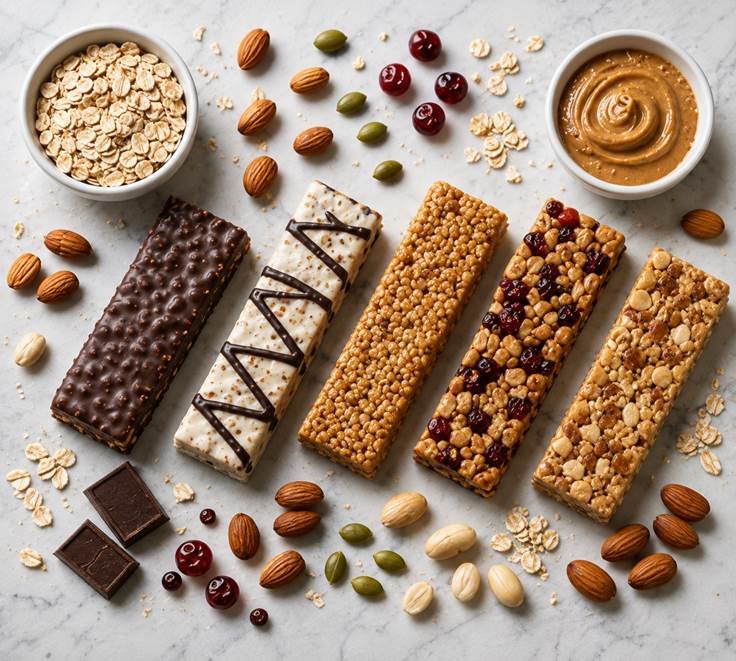
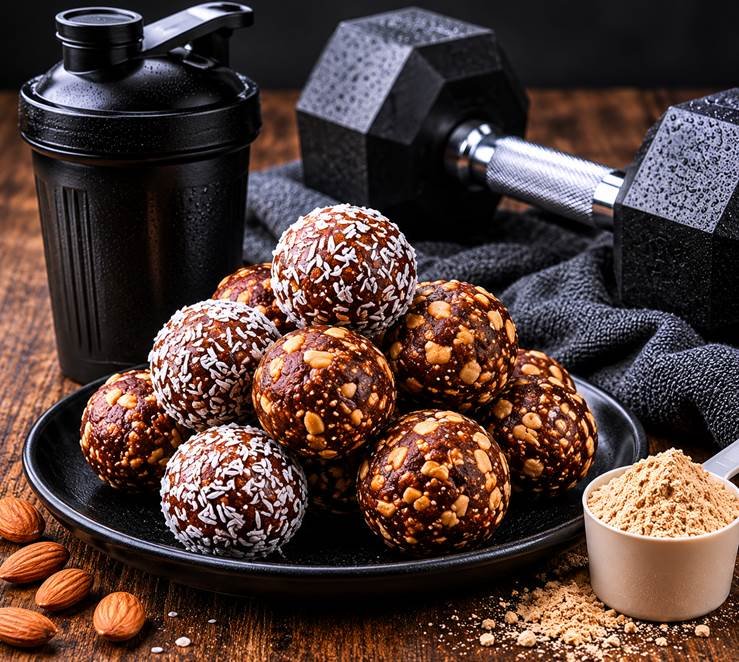
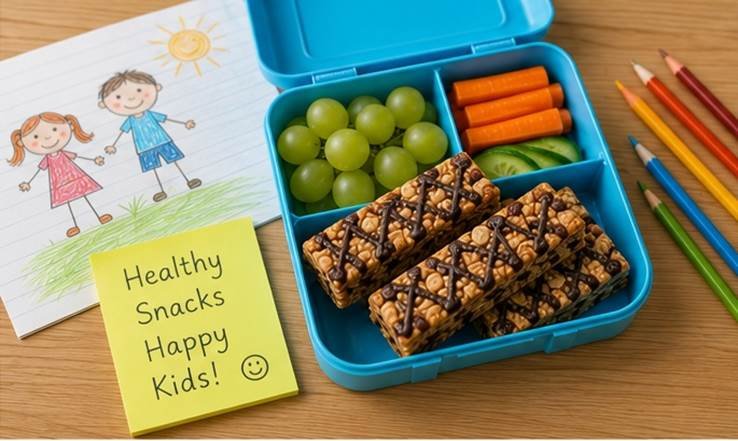
The protein snack market is projected to grow beyond 30 % share by 2026, yet many retailers still struggle to translate that demand into sales. The key isn’t just stocking the most popular brands; it’s curating a shelf that tells a clear story of value, convenience and nutrition. Below is a step‑by‑step framework you can use right now to design a high‑protein section that turns browsers into buyers.
1. Define Your Target Customer Profile
- Demographic focus: Millennials and Gen Z who prioritize fitness, busy professionals seeking quick energy, or health‑conscious parents looking for kid‑friendly options.
- Behavioral cues: Frequent online shoppers, frequent gym goers, or those who browse “snack” categories during lunch breaks.
- Purchase drivers: Protein content per serving, ingredient transparency, price point, and packaging convenience (single‑serve vs bulk).
Start by mapping these attributes onto a simple matrix: Price × Protein / Serving × Convenience. This will guide which products fit your shelf’s narrative.
2. Set Clear Shelf Objectives
- Volume per SKU: Aim for 10–15 SKUs that cover the spectrum from “budget” to “premium.”
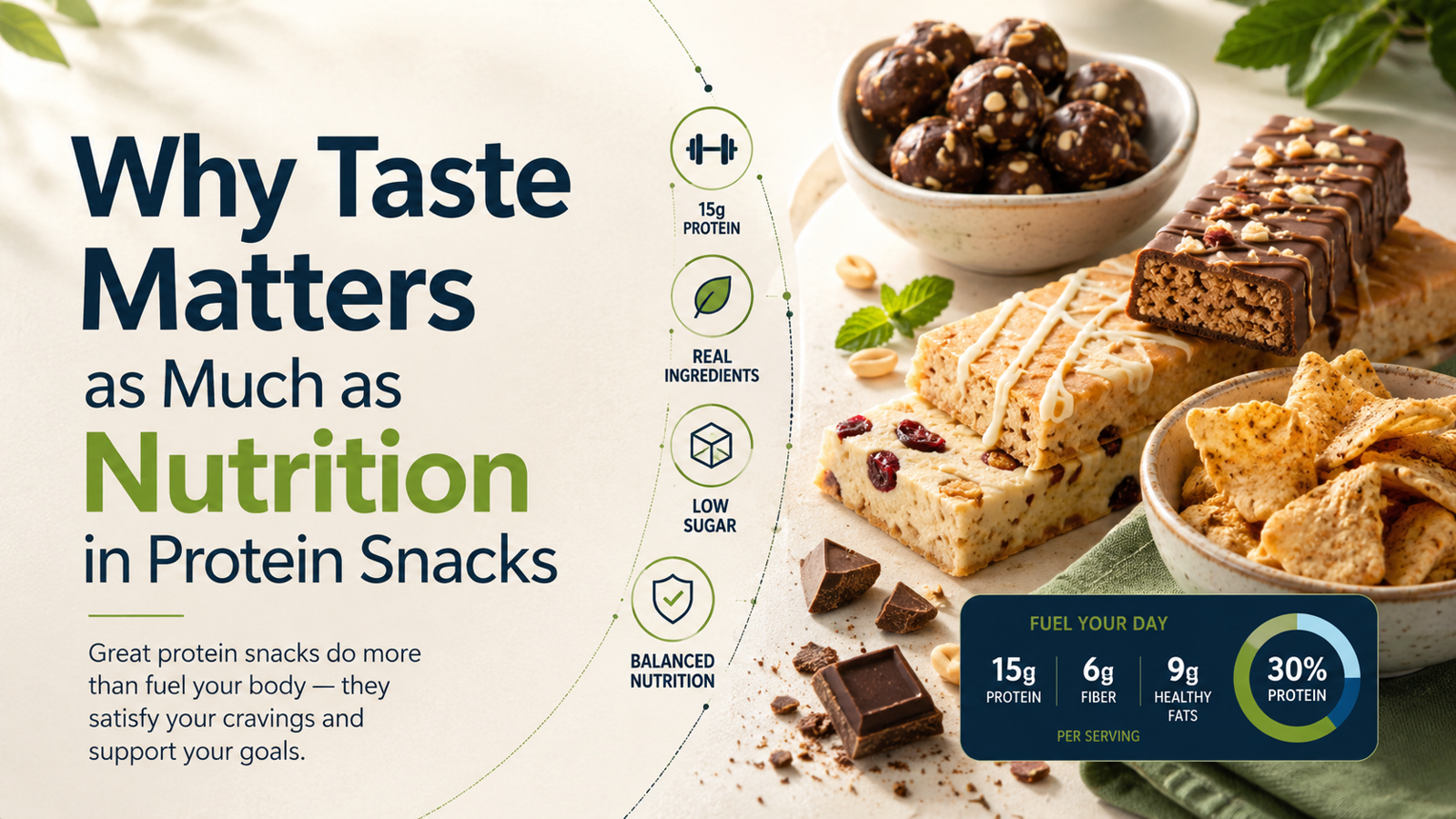
- Protein density target: Average of at least 12 g protein per serving across the shelf.
- Cross‑sell potential: Include complementary items (e.g., a protein bar next to a protein chip) to encourage add‑on purchases.
3. Curate Product Mix Using a Decision Matrix
Create a matrix with columns for Protein per serving, Fiber content, Sugar level, Price tier, and Packaging type. Rate each candidate product on a 1–5 scale and calculate a weighted score based on your shelf objectives.
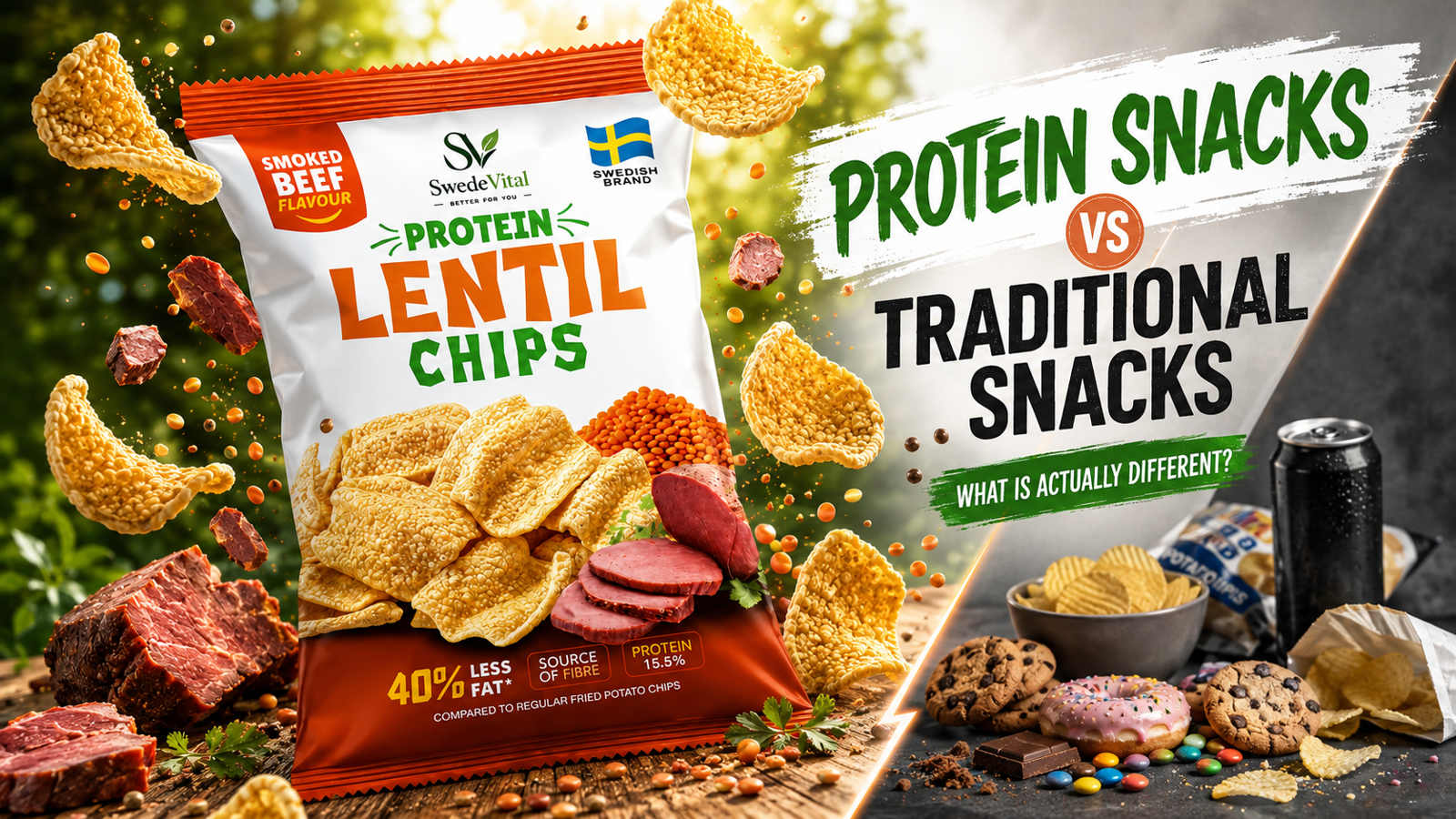
Example: SwedeVital Protein Bites – Dates & Hazelnuts Coated with Coconut (150 g) scores high on protein (≈15 g), fiber, and natural sweeteners, but is priced at the premium end. It would slot into a “premium convenience” sub‑section.
Use this approach to balance variety without overcrowding the shelf.
4. Design Visual Storytelling
- Color coding: Use distinct background colors or signage for each price tier.
- Ingredient highlights: Place a small card next to each SKU that lists key ingredients (e.g., “Whey protein, dates, hazelnuts”).
- Packaging cues: Position single‑serve packs at eye level and bulk options slightly lower; this signals convenience hierarchy.
Visual consistency reduces decision fatigue and encourages impulse buys.
5. Optimize Placement for Traffic Flow
- High‑traffic zones: Place the most popular or highest margin items near the front of the aisle.
- Cross‑merchandising: Pair protein snacks with complementary categories such as nuts, dried fruit, or yogurt to create a “snack bundle” feel.
- End caps: Reserve end‑cap space for new launches or seasonal promotions; these spots capture the most attention.
6. Leverage Data and Iterate
Track sales velocity, basket size, and customer feedback weekly. Use this data to adjust SKU mix, pricing, or promotional tactics. A/B test different shelf layouts in separate store locations to quantify impact.
7. Communicate Value Through In‑Store Messaging
- Quick facts: “12 g protein per serving – the same as a cup of Greek yogurt.”
- Health claims (non‑regulated): “Made with real dates and nuts, no added sugar.”
- Convenience tags: “Single‑serve packs for on‑the‑go.”
These cues reinforce the shelf’s narrative without making unverified claims.
8. Example Product Highlight: SwedeVital Protein Bites – Dates & Hazelnuts Coated with Coconut (150 g)
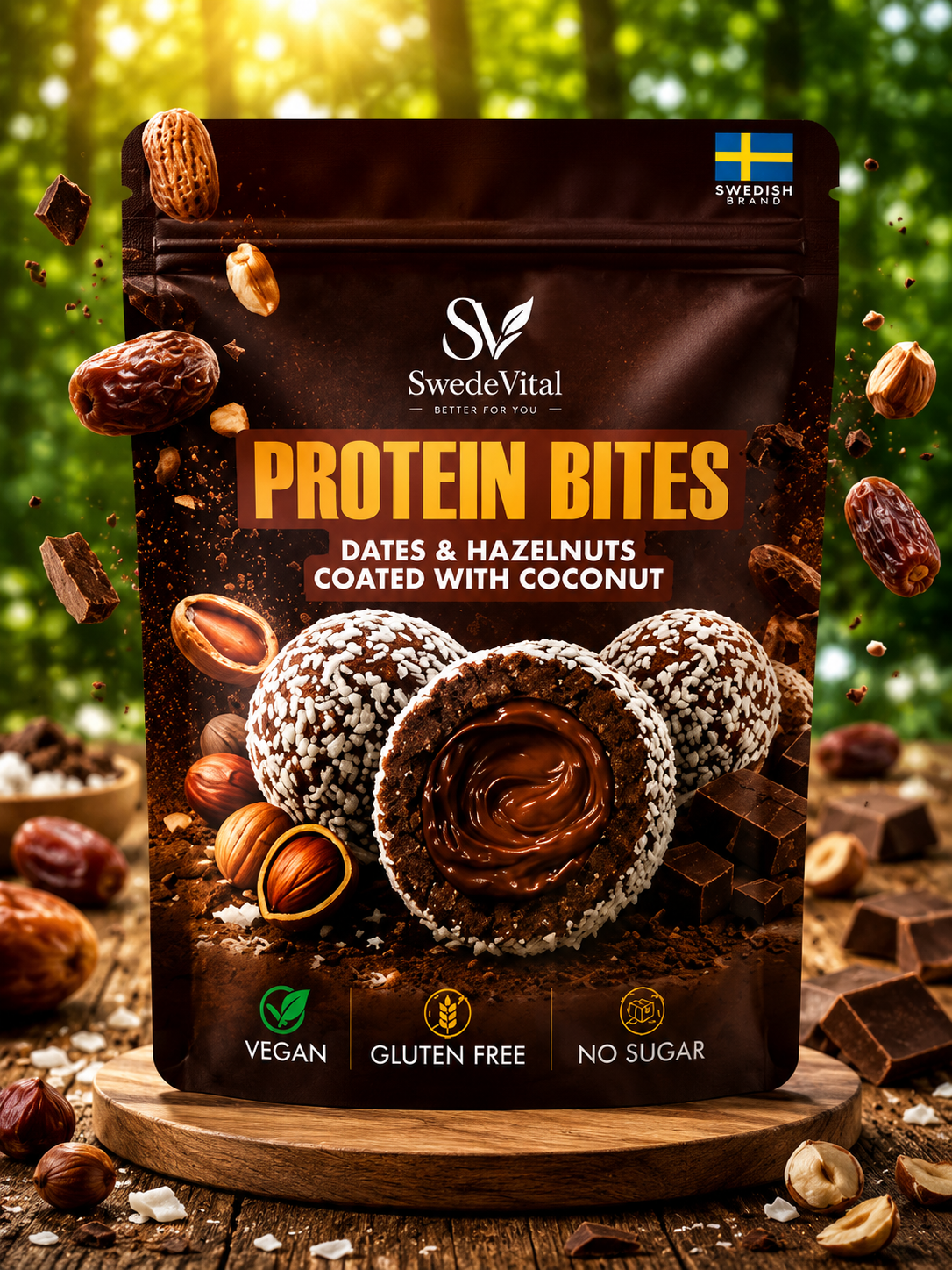
This product exemplifies the “premium convenience” segment: high protein, natural sweetener, and a snack‑size format that fits
Vanliga frågor
What makes a protein snack good for retail?
A good retail protein snack balances meaningful protein with low sugar and high fiber, features attractive packaging, offers reliable supply, and requires minimal explanation for staff or customers.
What are the best high-protein snack formats for shelves?
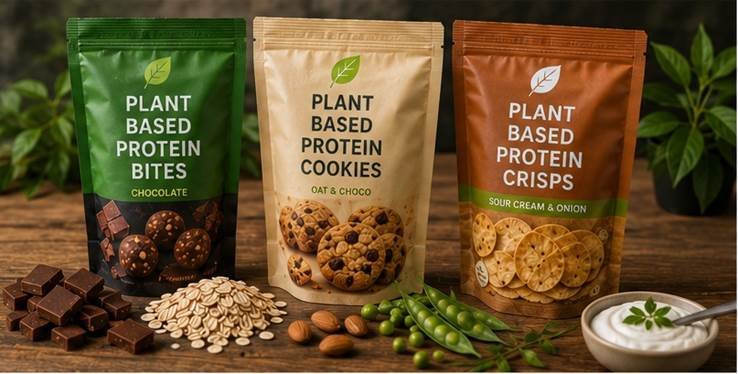
The strongest formats include protein bars, protein bites, baked snacks, plant-based crisps, and snack packs that are portable, easy to display, and suitable for gyms, hotels, and family stores.
How should retailers choose protein snacks for kids?
For kids, focus on smaller portions, simple flavors, lunchbox-friendly formats, and trustworthy packaging that appeals to parents without being overly aggressive or gym-focused.