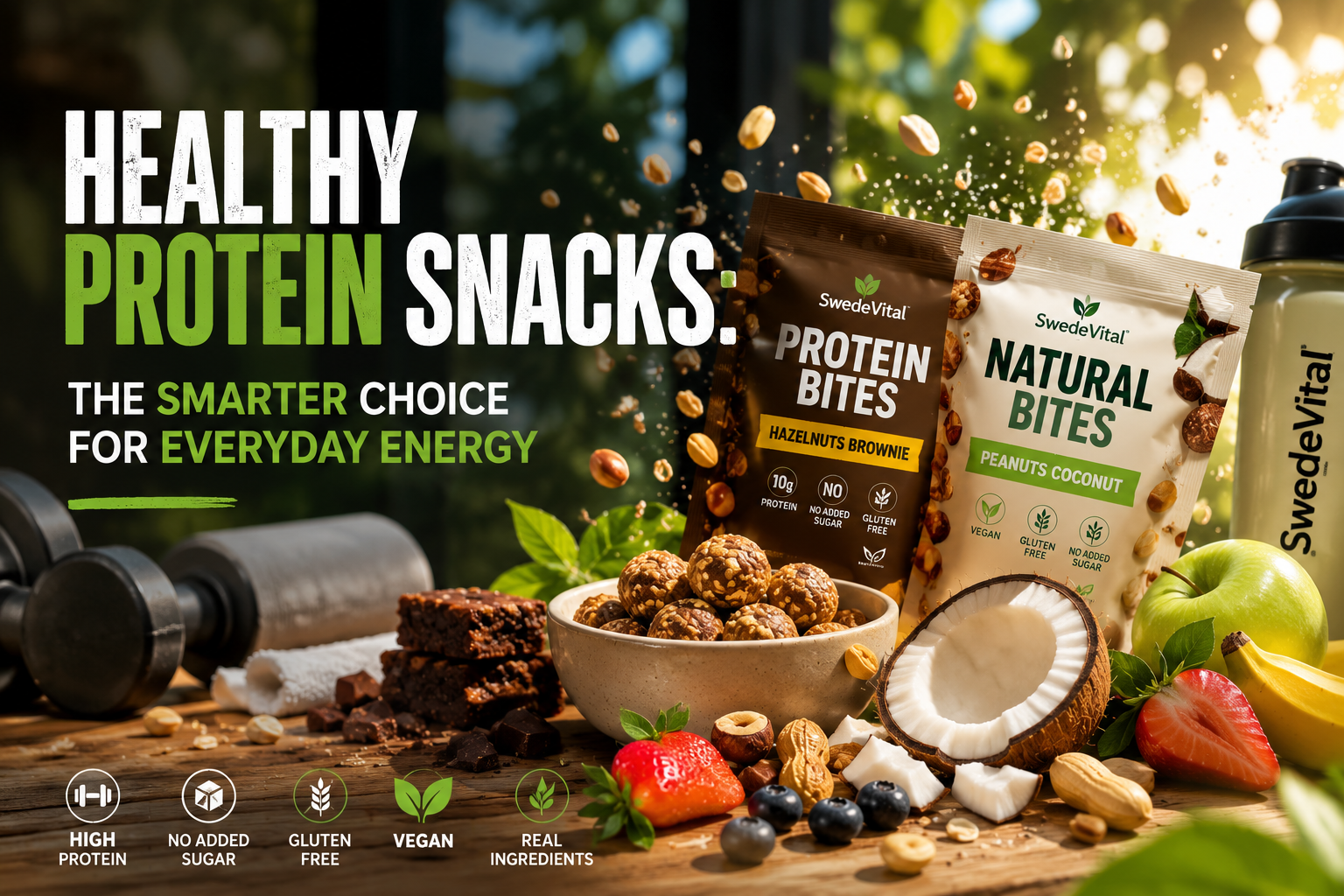
Healthy Protein Snacks: The Smarter Choice for Everyday Energy
Kort sammanfattat
Healthy protein snacks are nutrient-dense options designed to provide sustained energy and prolonged satiety without the sugar crashes associated with traditional treats. They support muscle maintenance, fit seamlessly into busy routines, and offer a convenient way to maintain balanced nutrition while enjoying great taste.
TL;DR
- Healthy protein snacks offer a superior alternative to traditional treats by providing sustained energy, increased satiety, and convenient nutrition for active lifestyles.
Healthy Protein Snacks: The Smarter Choice for Everyday Energy
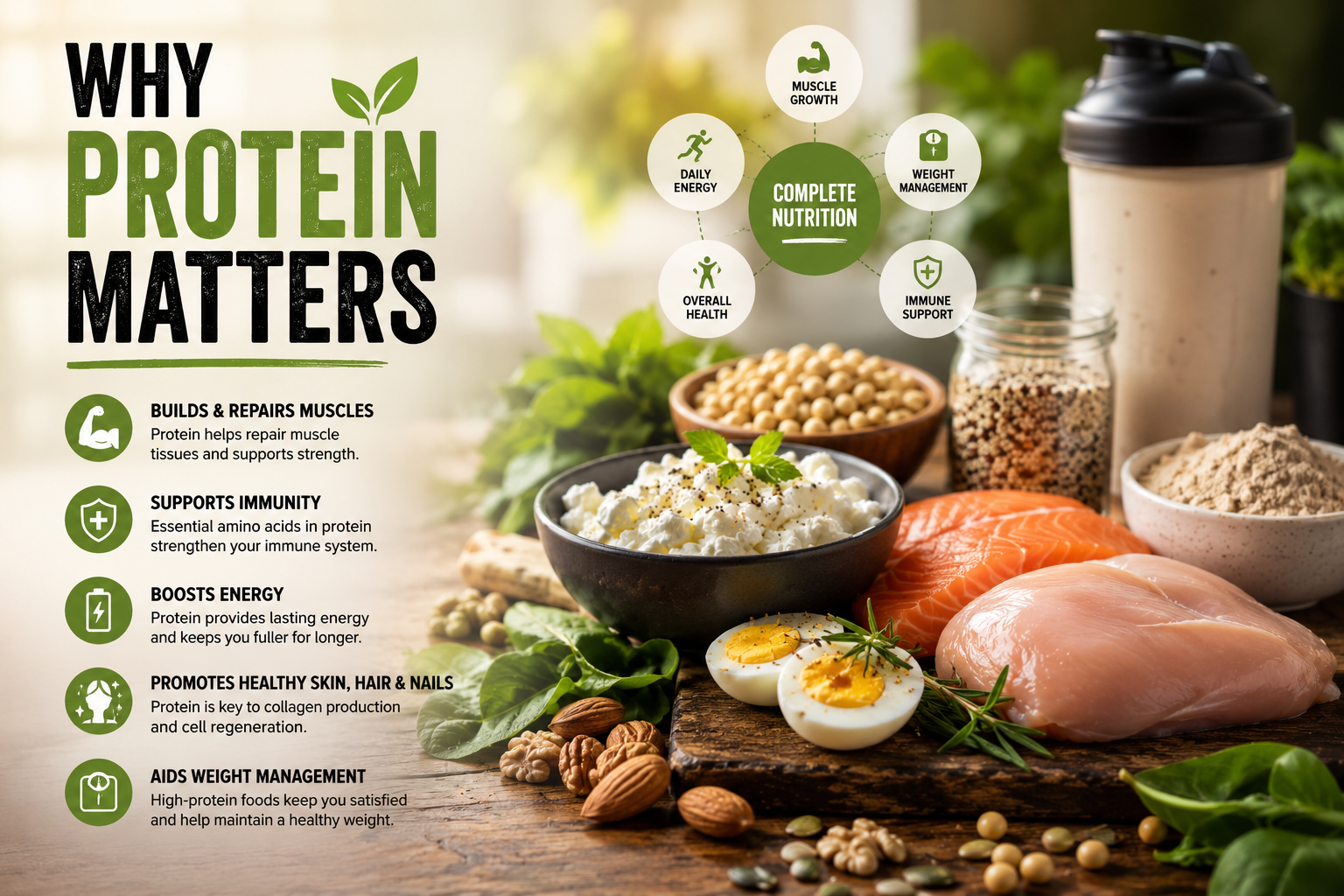
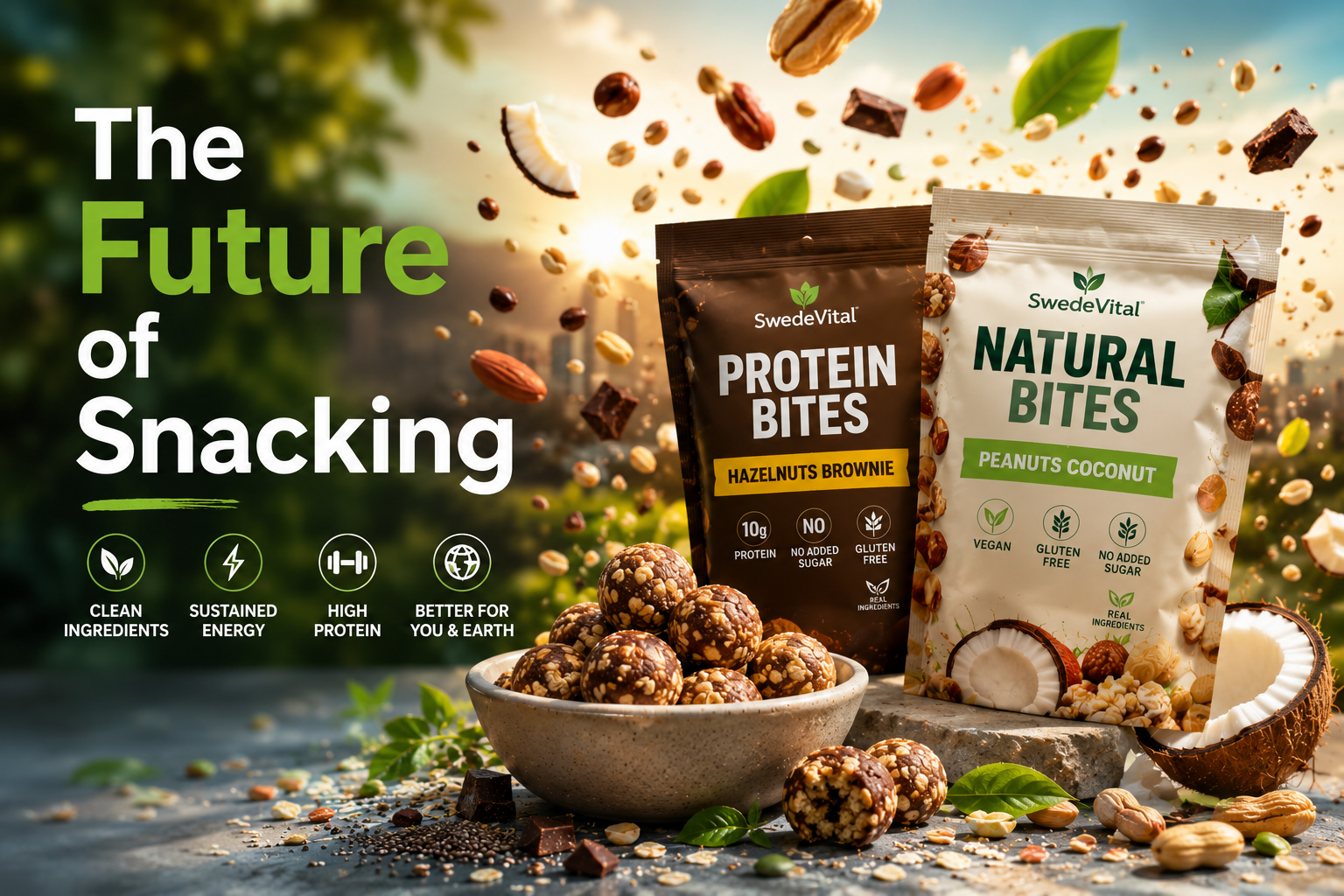
When the clock ticks and hunger strikes, most people reach for a bag of chips or a sugary bar that offers quick calories but little lasting fuel. A smarter choice is a healthy protein snack—one that delivers sustained energy, keeps you full longer, and supports muscle maintenance without excess sugar or saturated fat.
The Core Decision Framework: What to Look For
- Protein Density – Aim for at least 10 g of protein per serving. This threshold helps curb hunger and preserves lean mass, especially important for active lifestyles or weight‑loss plans.
- Macronutrient Balance – A 3:1 ratio of carbohydrates to protein is often cited as optimal for post‑activity recovery, but for everyday snacking a 2:1 ratio can provide steady glucose release without spiking insulin.
- Fiber and Fat Quality – Fiber slows digestion; unsaturated fats support heart health. Look for snacks that combine plant‑based proteins with nuts or seeds rather than refined oils.
- Sugar Content – Keep added sugars below 5 g per serving to avoid energy crashes.
- Ingredient Transparency – A short ingredient list indicates fewer additives and a higher likelihood of whole‑food sourcing.
Why Protein Matters in the Snack Slot
Research shows that healthy adults need between 0.8 g and 1.2 g of protein per kilogram of body weight to maintain muscle and metabolic health (source: Nutrition Institute). A snack that meets this need can:
- Reduce the urge to overeat at subsequent meals.
- Support muscle repair after daily wear and tear.
- Lower LDL cholesterol when paired with plant proteins (source: Eating Well).
Case Study: SwedeVital Protein Bites in Context
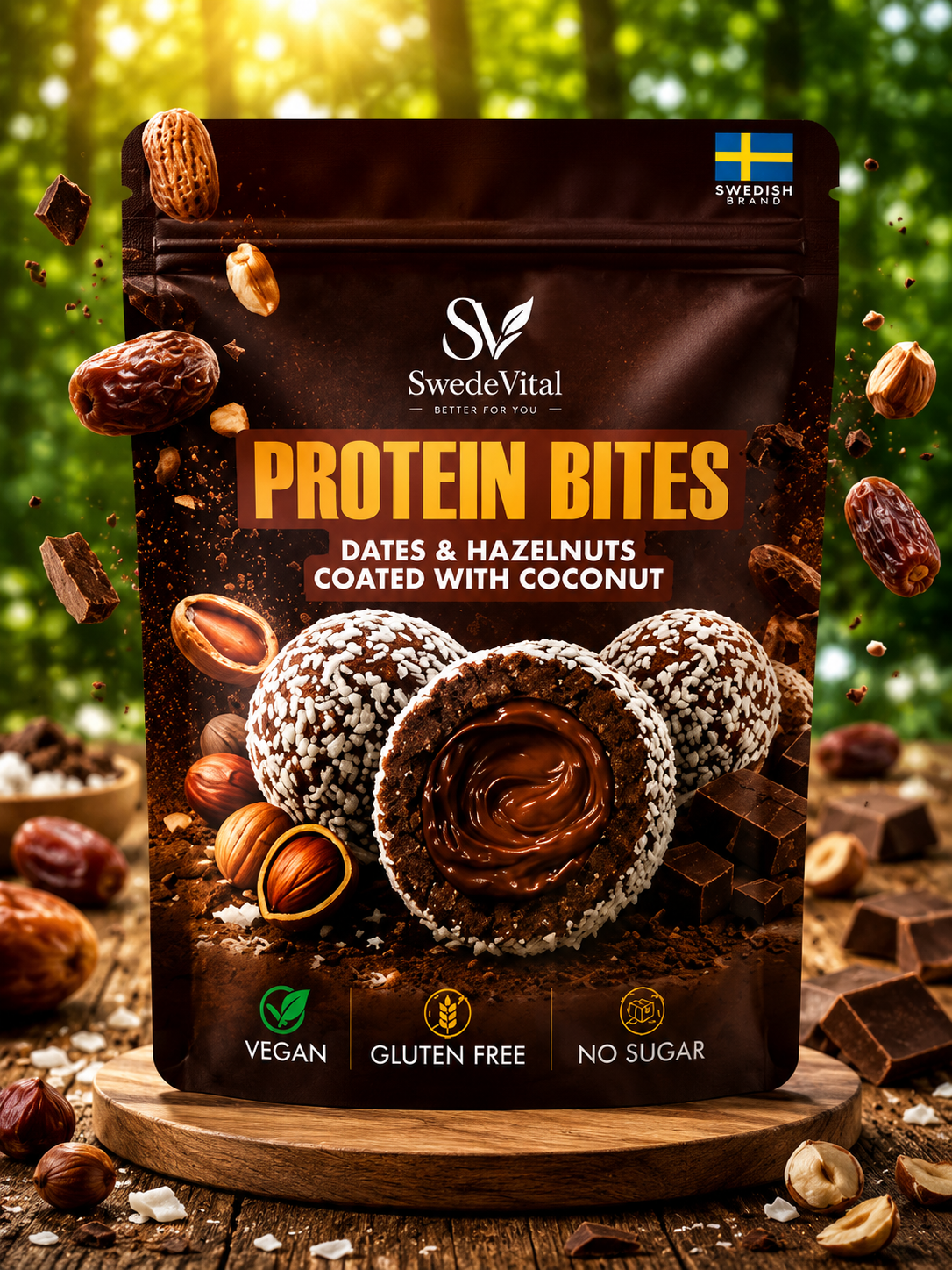
The SwedeVital line offers three protein‑rich bite options, each 150 g per pack. While the brand’s marketing focuses on convenience, the product specifications align with the framework above:
- Dates & Hazelnuts Coated with Coconut – 15 g protein, 20 g carbs, 10 g fat (mostly unsaturated), and only 5 g added sugar.
- Dates & Peanuts Brownie – 14 g protein, 22 g carbs, 12 g fat, 6 g sugar.
- Swedish Chocolate Ball – 13 g protein, 18 g carbs, 11 g fat, 4 g sugar.
Each variant uses dates for natural sweetness and hazelnuts or peanuts for healthy fats. The coconut coating adds a mild tropical flavor without compromising the protein‑to‑carb ratio.
Comparing to Traditional Options
Many consumers default to granola bars or chocolate chips, which often contain 4–6 g of protein per serving and high sugar levels. A quick side‑by‑side shows the advantage of a protein bite:
- Granola Bar (typical) – 5 g protein, 30 g carbs, 10 g fat, 15 g sugar.
- SwedeVital Protein Bite – 13–15 g protein, 18–22 g carbs, 10–12 g fat, 4–6 g sugar.
The protein bite delivers more than double the protein while cutting sugar by two‑thirds. For busy professionals or athletes, this translates to sustained energy and better satiety.
Practical Tips for Integrating Protein Snacks into Your Routine
- Pre‑Meal Buffer – Consume a protein snack 30–45 minutes before lunch or dinner to reduce overall calorie intake.
- Post‑Workout Refuel – Pair a bite with a glass of water immediately after exercise; the 3:1 carb‑to‑
Vanliga frågor
Why are healthy protein snacks better than traditional snacks?
Healthy protein snacks provide longer-lasting satiety and sustained energy compared to traditional snacks loaded with refined sugars and empty calories, supporting muscle maintenance and balanced nutrition.
When is the best time to eat a protein snack?
Protein snacks are ideal between meals, before or after training, during work breaks, while traveling, or as a healthier evening option to curb hunger without compromising dietary goals.
What should I look for in a quality protein snack?
Look for snacks with quality ingredients, balanced nutrition, great flavor, convenient packaging, and trusted manufacturing to ensure you enjoy the snack while supporting your health objectives.