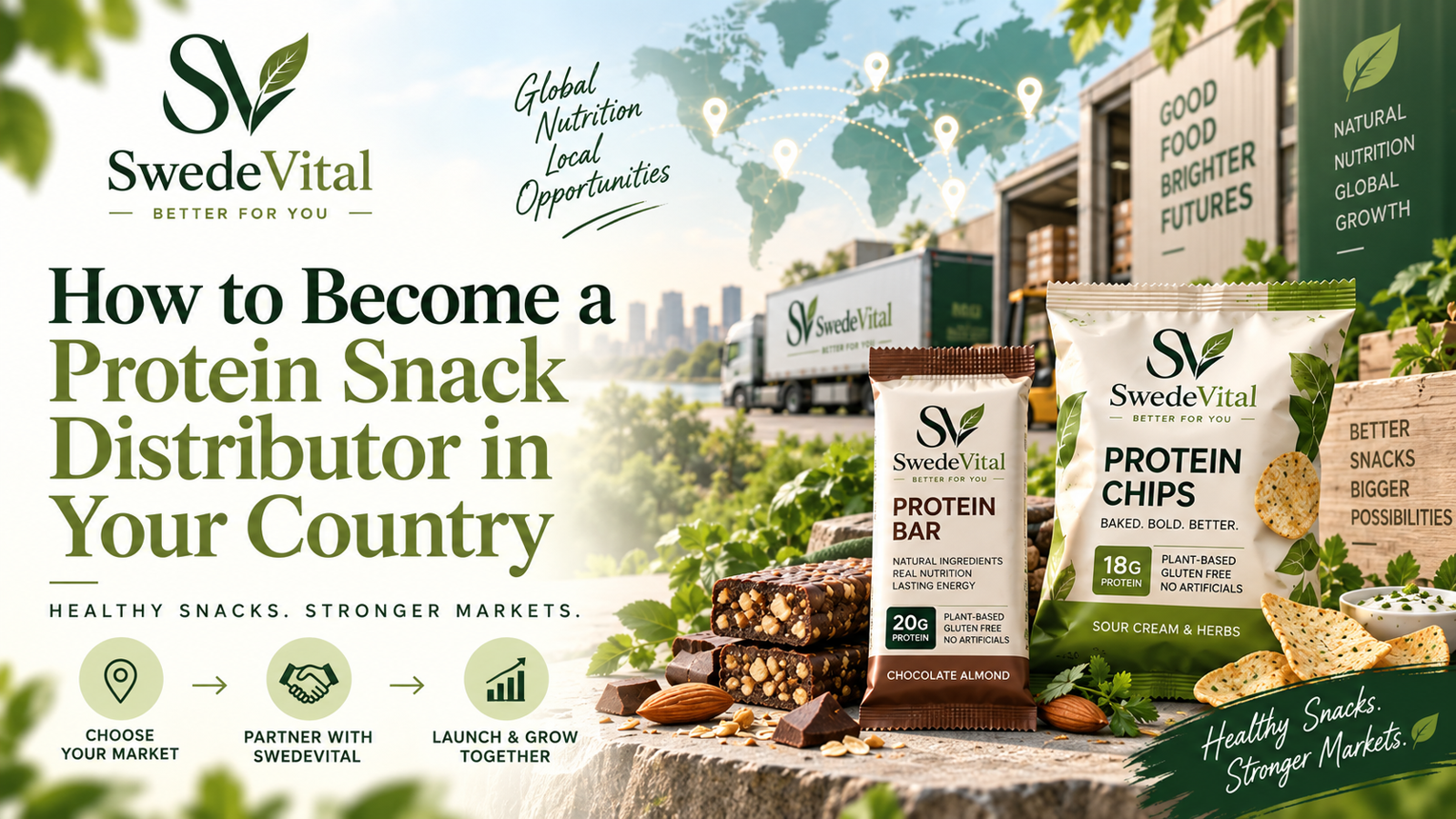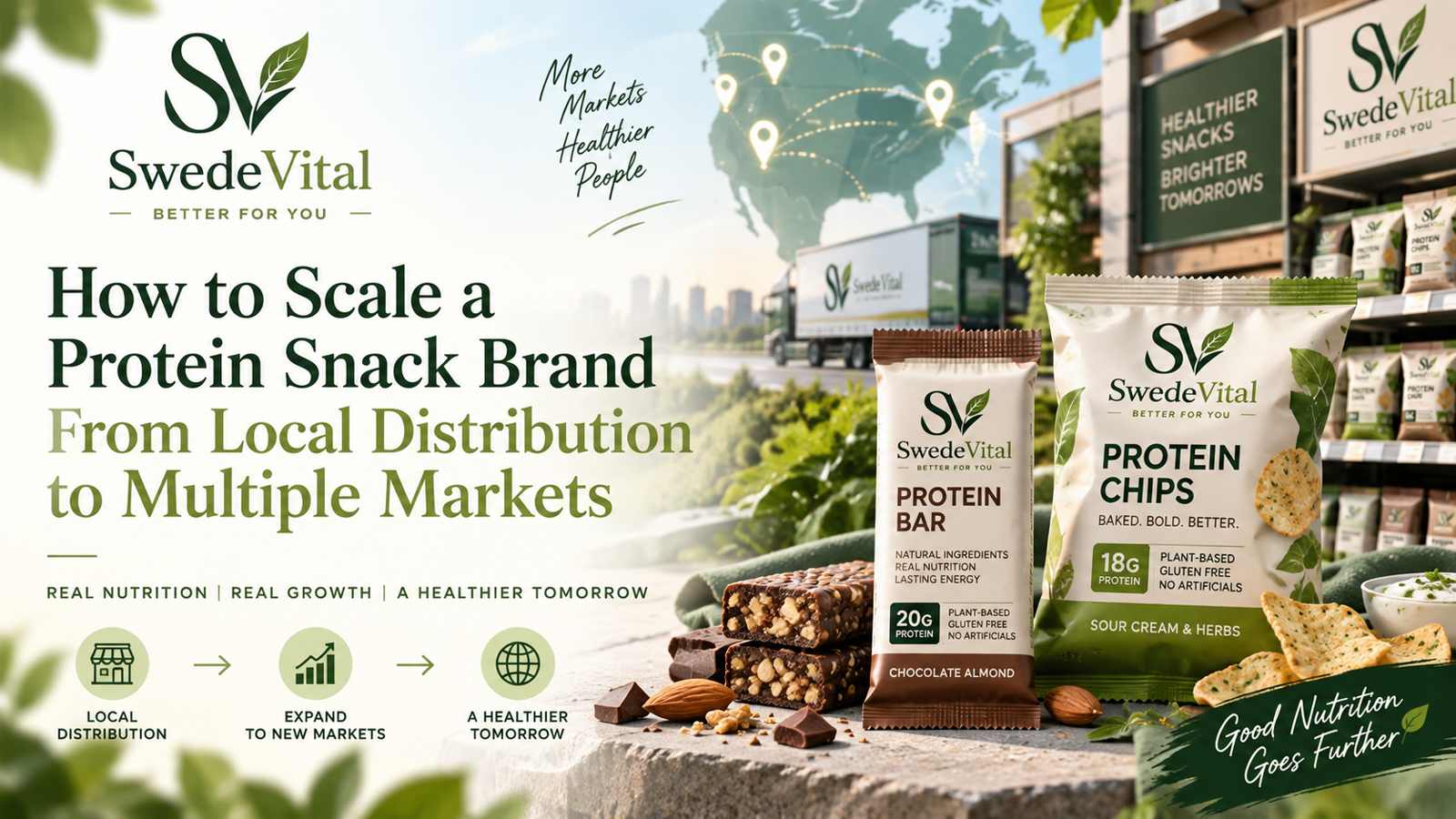
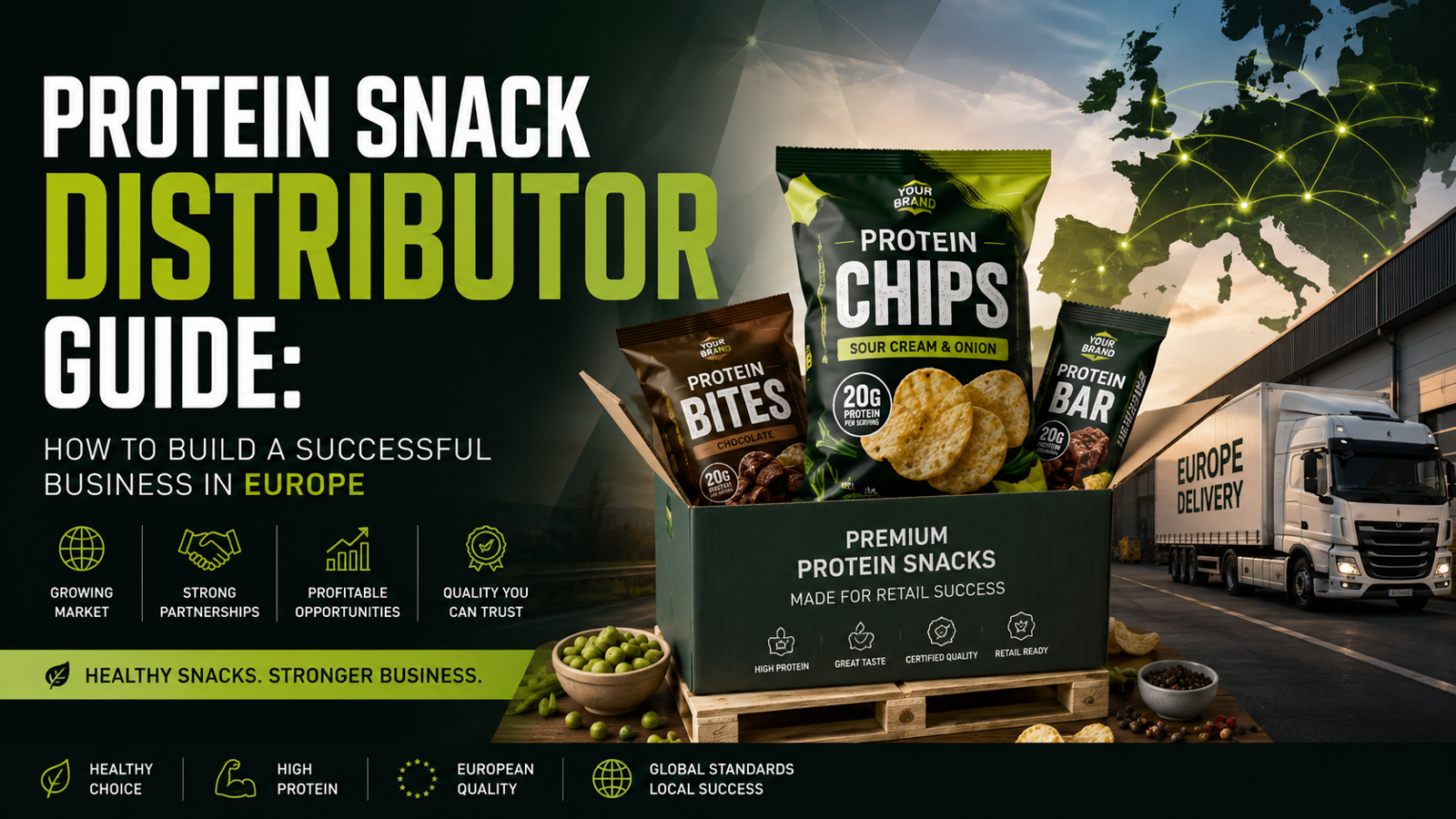
Protein Snack Distributor Guide: How to Build a Successful Business in Europe
Kort sammanfattat
To launch a protein snack distribution business in Europe, identify key customer segments (fitness retailers, convenience stores, online marketplaces), partner with EU‑certified manufacturers, curate a diverse product portfolio including bars, chips, and functional foods, use digital B2B platforms for ordering and logistics, implement targeted sales and marketing strategies, and ensure compliance
TL;DR
- Start a protein snack distribution business in Europe by targeting key segments, partnering with certified suppliers, curating a varied product line, using digital tools, and meeting EU compliance standards.
Protein Snack Distributor Europe: A Practical Decision Framework
Choosing the right partner to bring protein snacks into European markets is less about chasing the latest trend and more about aligning supply chain capabilities, regulatory compliance, and market fit with your distribution strategy. Below is a step‑by‑step framework that distills the most critical variables for any distributor looking to enter or expand within the continent’s growing protein snack segment.
1. Map Your Target Market Segments
- Health‑conscious consumers: Demand sugar‑free, high‑protein, low‑calorie options.
- Active lifestyle buyers: Prefer functional ingredients (e.g., plant‑based proteins, added electrolytes).
- Retail chains & e‑commerce: Require consistent shelf life and packaging that fits existing logistics.
Use market research such as the Protein Snacks Market Size, Share & Trends 2034 report to quantify demand in each segment and identify which countries have the highest growth rates.
2. Evaluate Supplier Capabilities Against Your Distribution Model
- Production volume & scalability: Can the manufacturer ramp up orders during peak seasons without compromising quality?
- Private label flexibility: Does the supplier offer custom branding, packaging sizes, and ingredient tweaks?
- Logistics footprint: Are there regional warehouses or distribution centers that reduce lead times across EU member states?
The Italian low‑carb protein snack manufacturer highlighted in the Enterprise Europe Network portal offers commercial, outsourcing, and supplier agreements, making it a strong candidate for distributors seeking flexible partnership models.
3. Verify Regulatory Alignment
- Food safety certifications: Look for ISO 22000 or HACCP compliance to streamline customs clearance.
- Ingredient transparency: EU regulations require clear labeling of allergens and nutritional claims; ensure the supplier’s documentation meets these standards.
- Country‑specific approvals: Some member states have additional requirements for novel proteins or fortified products.
Partnering with a manufacturer that already navigates these hurdles—such as the one listed in the Enterprise Europe Network—reduces your compliance risk and speeds time to market.
4. Assess Pricing, Margins, and Payment Terms
- Cost of goods (COGS): Compare unit prices for standard products like
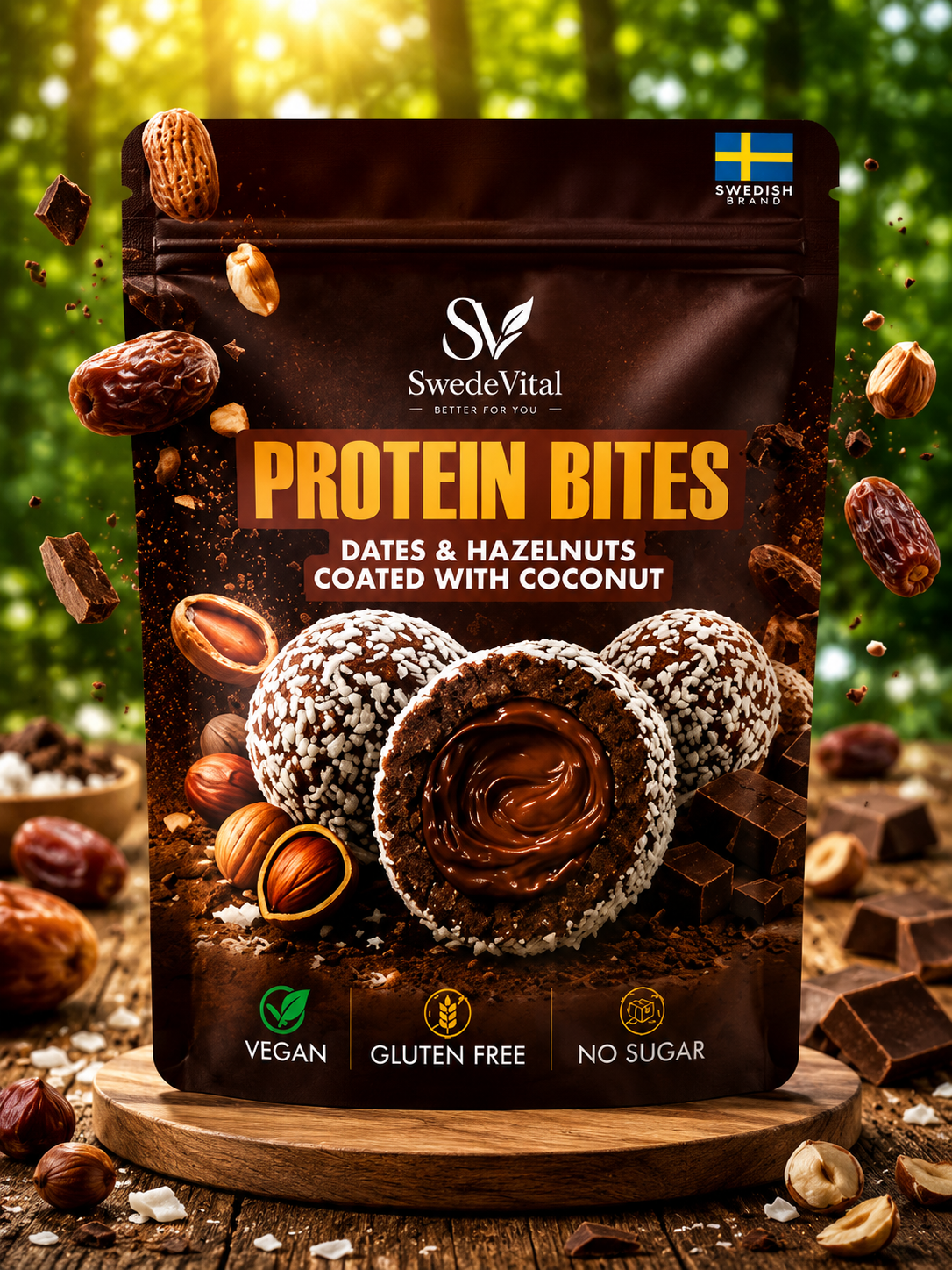 against competitors.
 - Minimum order quantities (MOQs): Ensure they align with your inventory capacity and cash flow.
- Payment windows: Favor suppliers offering net 30 or net 60 terms to improve liquidity.
5. Pilot Test the Product Portfolio
Before committing to large volumes, run a controlled pilot in one or two key markets. Track metrics such as:
- Retail shelf placement and visibility.
- Consumer feedback on taste, texture, and packaging.
- Return rates and warranty claims.
This data will inform whether the product line—e.g., SwedeVital Protein Lentil Chips in Sea Salt or Smoked Beef flavors—resonates with local preferences.
6. Build a Distribution Network That Supports Brand Growth
- Channel mix: Combine traditional retail, specialty health stores, and online marketplaces to diversify revenue streams.
- Marketing support: Leverage co‑branding opportunities and joint promotional campaigns with the supplier.
- Data analytics: Use sales dashboards to identify high‑performing SKUs and adjust inventory accordingly.
Consider partnering with established wholesale platforms like Nutrimeo or Nuts in Bulk to accelerate market penetration.
7
Vanliga frågor
What are the main customer segments for protein snacks in Europe?
The primary groups are fitness retailers (gyms, supplement stores), convenience stores looking to diversify snack aisles, and online marketplaces catering to niche diets like vegan, keto, or gluten‑free.
Why is EU certification important for distributors?
EU certifications such as HACCP, ISO 22000, and EFSA ensure products meet safety standards and can be sold across all member states without additional testing, protecting brand reputation and compliance.
How can a distributor increase basket size with complementary products?
By offering functional foods like Marine Collagen Powder, Ashwagandha KSM-66, or Omega‑3 Fish Oil alongside protein snacks, distributors can create bundled offerings that enhance customer loyalty and sales per transaction.
What digital tools should a protein snack distributor use?
A robust B2B platform for bulk ordering, real‑time pricing, shipment tracking, and marketing assets is essential; integrating an e‑commerce solution can capture direct retailer sales.
How does sustainability impact the distribution model?
Eco‑friendly packaging (recyclable or biodegradable) and traceability systems aligned with EU FIC regulations appeal to conscious consumers and strengthen brand reputation.