Private Label Snacks: How Brands Can Build High-Protein Snack Products Without Guessing Their Way to the Shelf
Kort sammanfattat
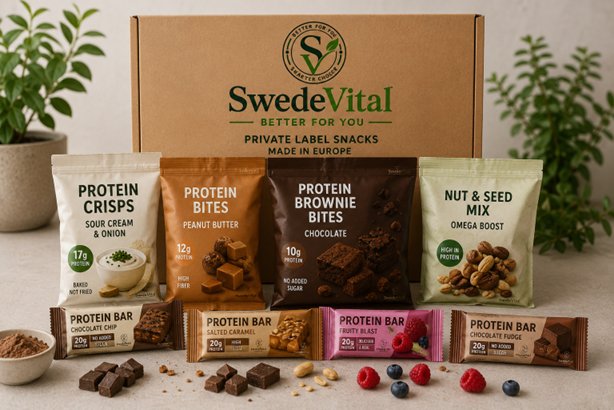
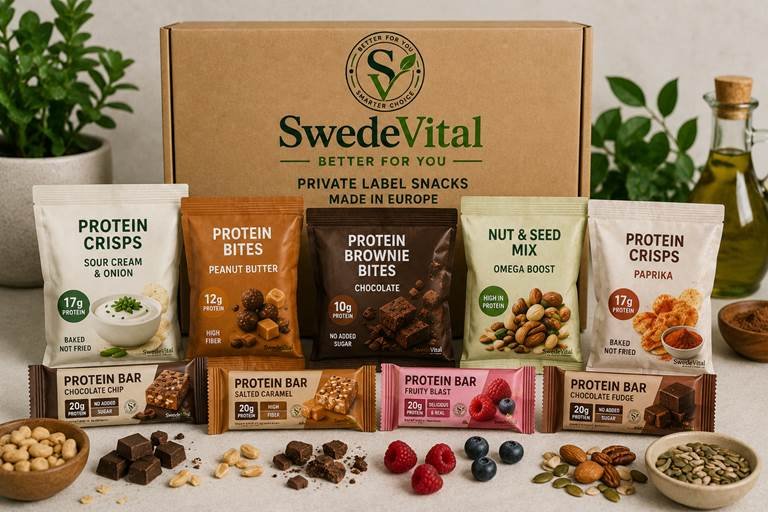
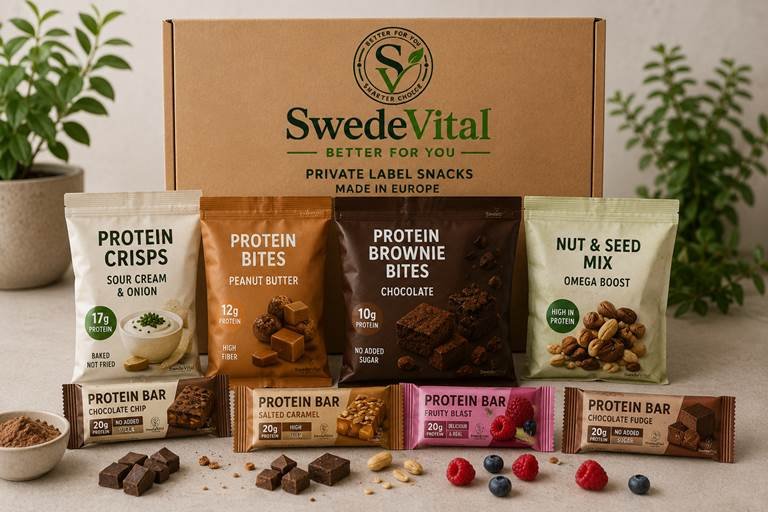
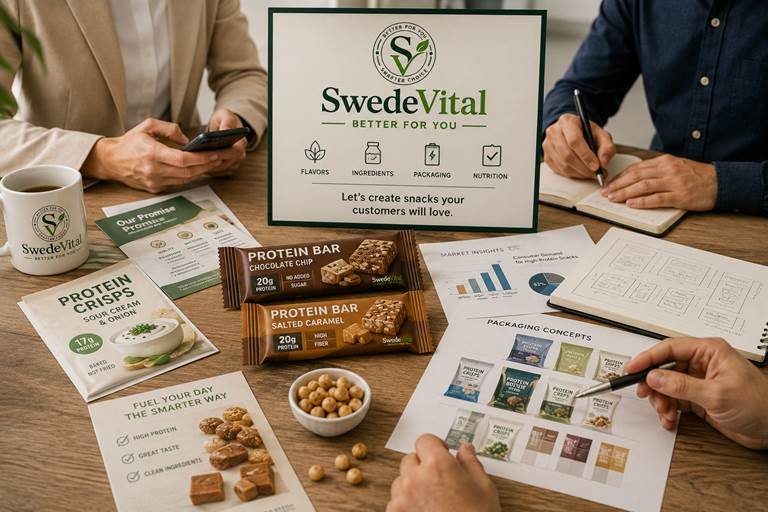
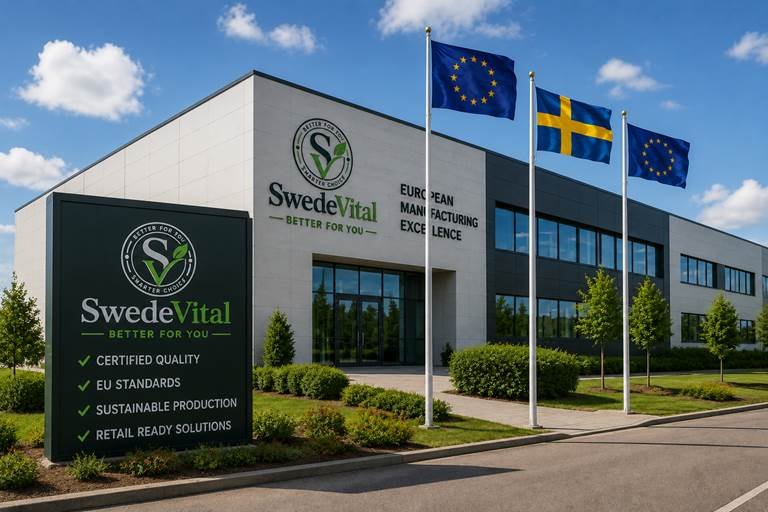
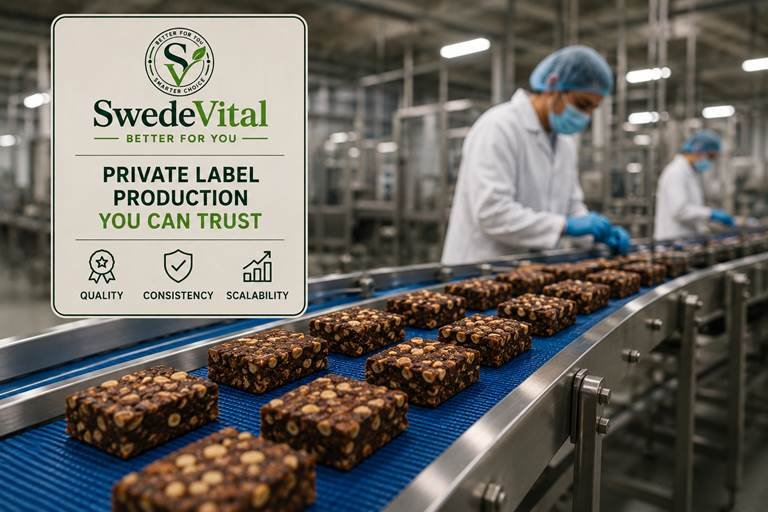
Private label protein snacks are custom-manufactured products sold under your brand name. SwedeVital offers European production of protein bites, bars, and crisps with certified quality control, retail-ready packaging, and flexible MOQs to help brands launch efficiently without guesswork.
TL;DR
- SwedeVital enables brands to launch high-protein private label snacks in Europe with certified manufacturing, custom formulation, and retail-ready packaging tailored for specific channels like gyms and supermarkets.
Private Label Protein Snacks: A Decision Blueprint, Not a Guesswork Game
The protein‑snack market is projected to hit USD 34.44 billion by 2026 and grow at 7.58% CAGR through 2031 source. Yet most brands still launch without a clear path from concept to shelf, treating the process as trial and error. The truth is that a structured decision framework—focused on ingredient strategy, manufacturing partnership, regulatory clarity, and packaging economics—can turn guesswork into a repeatable playbook.
1. Define Your Protein Profile Early
Start with the question: Which protein source best aligns with your brand promise?
- Whey or whey‑derived – delivers fast absorption, ideal for post‑workout recovery.
- Plant proteins (pea, rice, hemp) – appeal to vegan and allergen‑free markets; often paired with a blend to balance amino acids.
- Egg protein – high bioavailability, lower allergen risk than dairy.
Once you choose the source, lock in the target protein content per serving (e.g., 15 g for a 50‑g bar). This decision drives ingredient sourcing, cost, and labeling simplicity. For example, a whey‑based bar can use dates as a natural binder, keeping the ingredient list short and compliant with clean‑label expectations source.
2. Map Ingredient Sourcing to Cost & Quality
Ingredient cost can swing 20–30 % of the final retail price. Build a two‑tier sourcing strategy:
- Primary supplier – secure bulk contracts for your core protein and sweetener (e.g., dates, cacao).
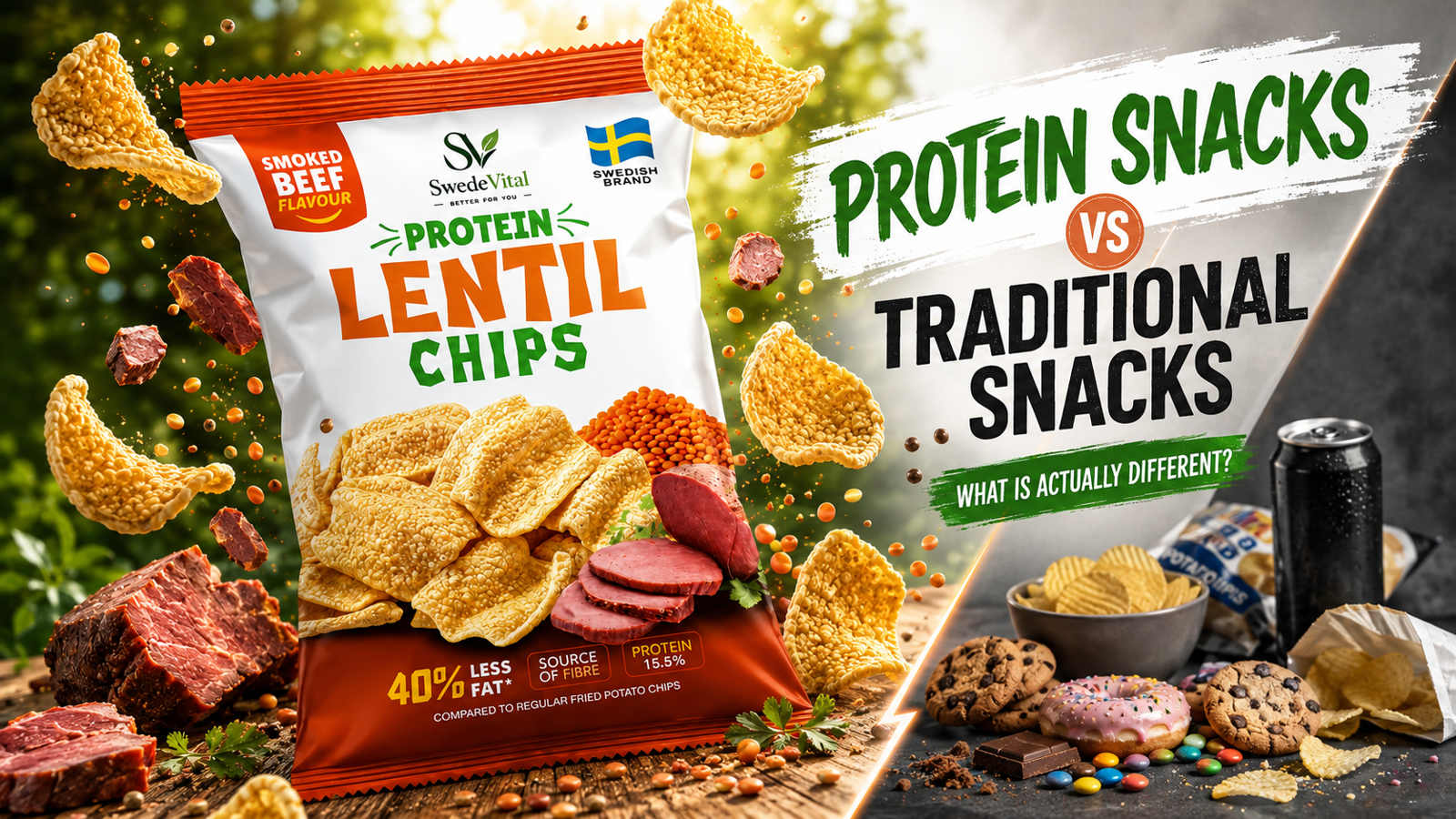
- Secondary supplier – have an alternative source for specialty items like nuts or functional additives (e.g., sea salt, smoked beef flavoring). This mitigates supply chain disruptions.
Use a cost‑benefit matrix to compare suppliers on price, lead time, and certification. A clean‑label manufacturer such as Earth Ranch in Jackson, Wisconsin offers dehydration expertise that can reduce moisture content and extend shelf life source.
3. Choose a Co‑Manufacturer with Proven Innovation Capacity
A partner must deliver:
- Process flexibility – ability to scale from 5 k units/month for niche launches to 500 k units/month for national rollouts.
- R&D support – access to formulation labs that can tweak texture, flavor, and nutritional claims without extensive re‑engineering.
- Regulatory guidance – help navigate EU food safety directives and labeling requirements.
YouBar, for instance, has a dedicated innovation center that supports private label brands in developing unique protein bar concepts source. When selecting a partner, request case studies of similar product launches and verify their GMP certification.
4. Design Packaging That Communicates Value Quickly
The first impression on the shelf is often the packaging. Prioritize:
- Barrier performance – high‑barrier films protect against moisture and oxygen, extending shelf life without preservatives.
- Print clarity – use bold typography for protein content and key claims (e.g., “15 g Protein”, “No Added Sugar”).
- Sustainability signals – recyclable or compostable materials resonate with health‑conscious consumers.
A well‑designed wrapper can reduce the perceived price point by up to 10 % while maintaining premium positioning source.
5. Validate Shelf Life with Real‑World Testing
Don’t rely solely on lab data. Conduct a pilot shelf‑life study that mimics retail conditions:
- Temperature cycling – expose samples to 25 °C/60 % RH for 30 days, then 35 °C/70 % RH for 15 days.
- Taste panel assessment – evaluate flavor retention and texture after each cycle.
- Microbial monitoring – ensure levels stay below regulatory thresholds throughout the study.
Use the results to adjust formulation (e.g., add natural antioxidants) or packaging (e.g., thicker foil). This proactive step reduces costly recalls and builds
Vanliga frågor
What is the difference between private label and white label snacks?
White label snacks are ready-made products with minimal branding changes, suitable for fast testing. Private label snacks involve tailored product development, packaging, and brand direction for stronger exclusivity and positioning.
What should I look for in a private label snack food manufacturer?
Look for manufacturers offering clear format options, flexible MOQs, retail-ready packaging with EU labels, relevant certifications (IFS, BRCGS, ISO), and consistent repeat production capabilities.
Does SwedeVital offer retail-ready packaging for private label snacks?
Yes, SwedeVital provides retail-ready packaging solutions including EU-compliant labels, barcodes, and shelf-ready supply designed for supermarkets, gyms, and distributors.
What is the typical MOQ for private label high protein snacks in the EU?
SwedeVital offers flexible entry quantities with scaling options to reduce launch risk. Specific MOQ details are available for retail and private label buyers upon inquiry.