Private Label Manufacturers: How to Choose the Right Partner for Protein Bars, Functional Food, and Supplements
Kort sammanfattat
The best private label manufacturers handle formulation, production, compliance, and retail-ready packaging for your brand. For protein bars and supplements, prioritize partners with category experience, clear MOQs, reliable lead times, food-safety certifications, and flexibility to differentiate your product in the European market without excessive complexity.
TL;DR
- Select private label manufacturers by evaluating their expertise in protein bars and supplements, ensuring they offer clear MOQs, compliance support, and retail-ready packaging to differentiate your brand effectively.
Choosing the right private label manufacturer for protein bars, functional food, and supplements is crucial for brand success. Private label manufacturers offer tailored production solutions, allowing brands to define product specifications, design, and packaging. Understanding the nuances of this partnership can significantly impact product quality and market positioning.
Understanding Private Label Manufacturing
Private label manufacturing involves creating products that are branded and sold by a company other than the manufacturer. This process allows businesses to offer unique products without the need to invest in their own production facilities. Instead, they partner with a manufacturer who produces the items according to the brand's specifications, including formulation, design, and packaging.
The benefits of private label manufacturing are significant for brands looking to expand their product lines or enter new markets. One major advantage is the ability to quickly bring products to market without the extensive time and cost associated with developing manufacturing capabilities in-house. This is particularly beneficial for companies aiming to offer wholesale high protein snacks or private label functional food, as it allows them to leverage existing manufacturing expertise and infrastructure.
Additionally, private label manufacturing provides flexibility in product development. Brands can tailor products to meet specific consumer demands or trends, such as creating private label veggie snacks or bulk buy healthy protein snacks. This adaptability can be crucial in a rapidly changing market where consumer preferences can shift quickly.
However, choosing the right private label manufacturer requires careful consideration of factors such as quality control, production capacity, and alignment with brand values. For example, a company might prioritize a manufacturer with a strong track record in producing wholesale healthy protein snacks to ensure consistency and quality in their offerings.
Identifying Your Product Needs
Identifying your product needs is a crucial first step in selecting the right private label manufacturer for protein bars, functional foods, and supplements. Begin by clearly defining the product category and target market. For instance, if you aim to produce wholesale high protein snacks, consider the nutritional profile, flavor preferences, and dietary restrictions of your target consumers.
Next, determine the specific ingredients and formulations required. This involves selecting a protein snack ingredient supplier that can provide high-quality, sustainable, and possibly organic ingredients. For functional foods, consider incorporating trending ingredients like adaptogens or superfoods, which can enhance the product's appeal and efficacy.
Consider the form factor and packaging options. Protein bars, for example, might require different packaging solutions compared to supplements, which could be in capsule, powder, or liquid form. Evaluate the shelf life and storage conditions necessary for each product type to ensure quality and safety.
Lastly, assess any regulatory requirements or certifications needed for your product. This is particularly important for supplements, which may require compliance with specific health and safety standards. By thoroughly understanding your product needs, you can better communicate with potential private label manufacturers and ensure they can meet your specifications effectively.
Researching Potential Manufacturers
Researching potential private label manufacturers is a critical step in ensuring the success of your product line, whether you're focusing on protein bars, functional foods, or supplements. Here are some steps to effectively shortlist potential partners:
Identify Your Needs
Begin by clearly defining your product requirements, including the type of product, desired ingredients, and any specific certifications needed. This will help you filter manufacturers that specialize in your niche, such as private label veggie snacks or wholesale high protein snacks.
Utilize Industry Resources
Leverage resources like the Private Label Manufacturers Association (PLMA), which represents over 5,000 member companies worldwide. This platform can provide valuable insights into potential manufacturers and industry trends.
Conduct Online Research
Search for manufacturers with a strong online presence and positive reviews. Look for case studies or testimonials that highlight their expertise in producing bulk buy healthy protein snacks or private label functional food. This can provide a sense of their reliability and quality standards.
Request Samples and References
Once you have a shortlist, request product samples to evaluate quality firsthand. Additionally, ask for references from previous clients to gain insights into their experience with the manufacturer.
Evaluate Communication and Responsiveness
Effective communication is crucial. Assess how promptly and clearly potential manufacturers respond to your inquiries. This can be indicative of their customer service and willingness to collaborate.
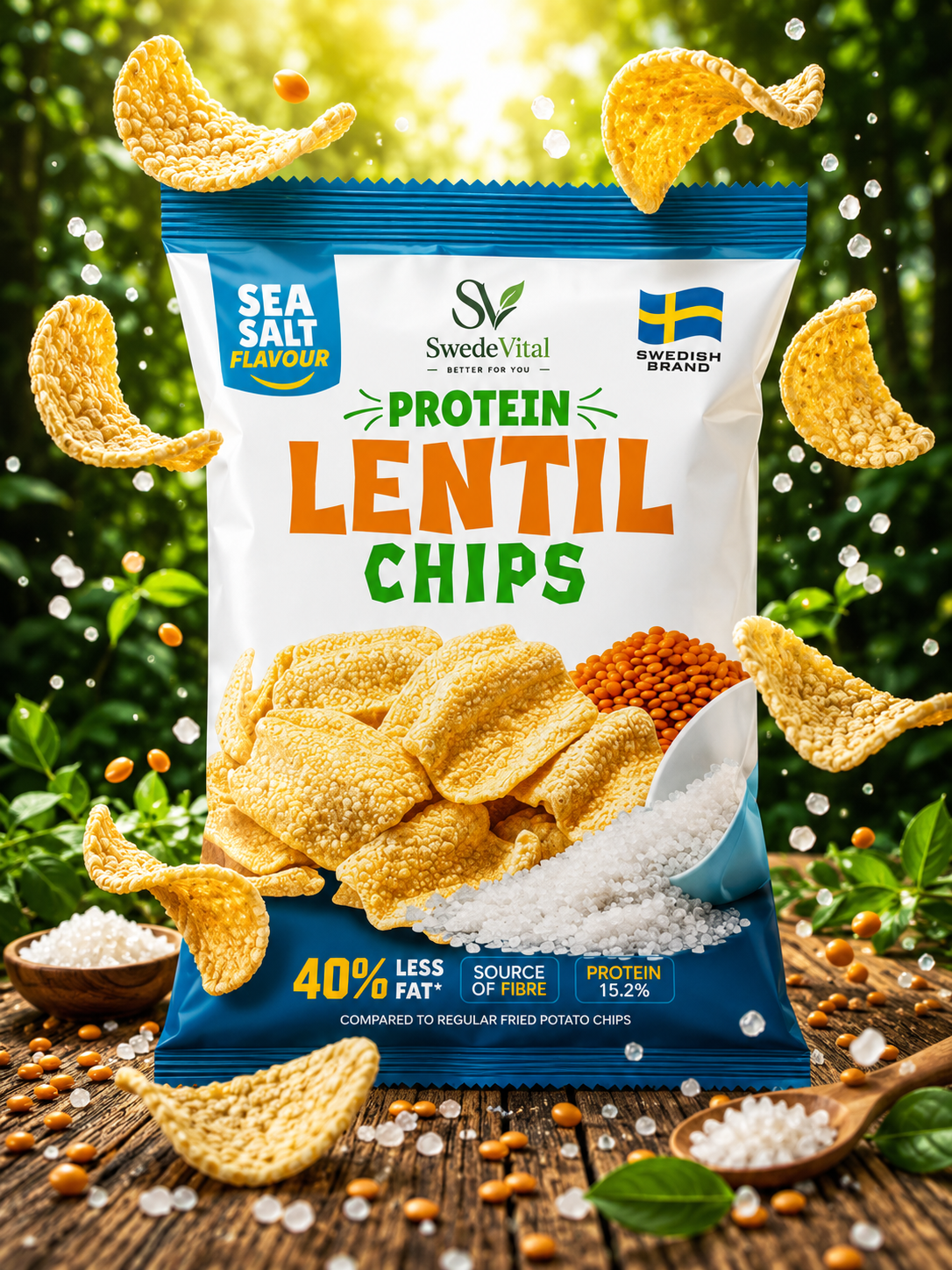
Evaluating Manufacturer Capabilities
When evaluating private label manufacturers, it's crucial to assess their capabilities to meet your product specifications and quality standards. Begin by examining their production facilities. A manufacturer should have the necessary equipment and technology to produce your specific product type, whether it's protein bars, functional foods, or supplements. For instance, if you're looking to produce private label veggie snacks, ensure the manufacturer has experience with similar products and can handle the unique processing requirements.
Quality assurance processes are another critical factor. Inquire about their quality control measures, such as ingredient testing, batch consistency checks, and final product inspections. A robust quality assurance system helps ensure that the products meet both your standards and regulatory requirements. Additionally, ask if they have any third-party certifications, which can be an indicator of their commitment to quality.
Communication is key in maintaining quality. Evaluate how the manufacturer handles communication and feedback. A reliable partner should be open to discussions about product adjustments and improvements. This is particularly important if you plan to bulk buy healthy protein snacks, as any issues in quality can have significant financial implications.
Finally, consider their track record. Request references or case studies from other clients to gauge their reliability and performance history. A manufacturer with a proven track record in producing wholesale healthy protein snacks is more likely to meet your expectations.
Considering Location and Logistics
When selecting private label manufacturers, the location of the manufacturer plays a crucial role in the supply chain efficiency and cost-effectiveness. Proximity to your target market can significantly reduce shipping times and costs, which is particularly important for products with a short shelf life, such as certain functional foods and supplements. Additionally, closer proximity can facilitate easier communication and quicker response times to any issues that may arise.
Logistical considerations extend beyond mere distance. It's essential to evaluate the infrastructure and transportation networks available in the manufacturer's region. For instance, a manufacturer located near major ports or airports might offer more reliable and faster shipping options, which can be a decisive factor for businesses aiming to bulk buy healthy protein snacks and distribute them swiftly.
Moreover, understanding regional regulations and trade agreements is vital. A manufacturer in a country with favorable trade agreements can offer cost advantages and smoother customs processes. However, it's also important to consider potential geopolitical risks that could disrupt supply chains.
For example, a company looking to produce private label veggie snacks might prioritize a manufacturer in a region known for its agricultural output, ensuring a steady supply of fresh ingredients. Ultimately, balancing these logistical factors with cost considerations will help in selecting the most suitable manufacturing partner.
Assessing Cost and Pricing Structures
When evaluating cost structures and pricing models offered by private label manufacturers, it is crucial to consider several key factors that can significantly impact your bottom line. Begin by analyzing the manufacturer's pricing transparency. Ensure that all costs, including raw materials, production, packaging, and shipping, are clearly outlined. Hidden fees can erode profit margins, so clarity is essential.
Next, assess the scalability of pricing models. For instance, inquire whether the manufacturer offers tiered pricing based on order volume. This can be particularly beneficial if you plan to bulk buy healthy protein snacks or other products, as larger orders often qualify for discounts. Additionally, consider the flexibility of the pricing structure. Can it accommodate fluctuations in ingredient costs or changes in your order size?
Another critical aspect is the payment terms. Evaluate whether the manufacturer requires upfront payment or offers credit terms. Favorable payment terms can improve cash flow, especially for startups or small businesses. Furthermore, consider the impact of currency fluctuations if dealing with international manufacturers, as this can affect overall costs.
Finally, evaluate the manufacturer's track record for cost management. A history of stable pricing and reliable delivery can be a strong indicator of a trustworthy partner. By thoroughly assessing these elements, you can make informed decisions that align with your financial goals and strategic objectives.
Ensuring Compliance and Certifications
When selecting private label manufacturers for protein bars, functional foods, or supplements, ensuring compliance with industry standards and obtaining necessary certifications is crucial. This not only guarantees product safety and quality but also enhances consumer trust and marketability.
Key Certifications and Standards
- Good Manufacturing Practices (GMP): Adherence to GMP ensures that products are consistently produced and controlled according to quality standards. This is essential for supplements and functional foods, where safety and efficacy are paramount.
- ISO Certifications: ISO standards, such as ISO 22000 for food safety management, provide a framework for managing food safety responsibilities. This is particularly important for manufacturers producing wholesale healthy protein snacks.
- Organic and Non-GMO Certifications: For products like private label veggie snacks, these certifications can be critical in appealing to health-conscious consumers.
- Allergen-Free and Vegan Certifications: These are important for catering to specific dietary needs and preferences, expanding the potential consumer base.
Manufacturers should also stay informed about regional regulations, such as the FDA's guidelines in the United States or the European Food Safety Authority's standards in the EU. For example, a team might prioritize a manufacturer with a strong track record in compliance if they plan to bulk buy high protein snacks for international distribution. This ensures that products meet diverse regulatory requirements, minimizing the risk of costly recalls or legal issues.
Building a Strong Partnership
Building a strong partnership with private label manufacturers is crucial for the success of your product line, whether you're focusing on protein bars, functional foods, or supplements. Here are some strategies to foster a collaborative and effective relationship:
Clear Communication
Establishing open lines of communication from the outset is essential. Regular updates and transparent discussions about production timelines, ingredient sourcing, and quality control can prevent misunderstandings. For example, if you're developing a line of private label veggie snacks, ensure that both parties agree on the specific ingredients and nutritional claims.
Shared Goals and Values
Aligning on shared goals and values can strengthen the partnership. If sustainability is a priority for your brand, choose a manufacturer that shares this commitment. This alignment can enhance brand integrity and appeal to eco-conscious consumers.
Flexibility and Adaptability
Markets and consumer preferences can change rapidly. A manufacturer that is flexible and willing to adapt to new trends or product modifications can be invaluable. For instance, if there's a sudden demand for bulk buy high protein snacks, your manufacturer should be able to scale production efficiently.
Regular Performance Reviews
Conducting regular performance reviews can help identify areas for improvement and celebrate successes. These reviews should cover aspects like product quality, delivery timelines, and responsiveness to issues.
By focusing on these strategies, you can build a robust partnership that supports the growth and success of your private label products.
Monitoring Quality and Performance
Monitoring the quality and performance of private label manufacturers is crucial to ensure that your protein bars, functional foods, and supplements meet the desired standards. Implementing a robust quality assurance framework involves several key steps.
Regular Audits and Inspections
Conducting regular audits and inspections of the manufacturing facilities is essential. These audits should assess compliance with industry standards and identify any potential areas for improvement. Engaging third-party auditors can provide an unbiased evaluation of the manufacturer's processes and quality control measures.
Batch Testing and Sampling
Implementing a batch testing protocol is vital for maintaining product consistency. Random sampling of products from each batch should be tested for quality parameters such as ingredient composition, taste, and shelf life. This helps in identifying any deviations from the specified product standards early in the production process.
Performance Metrics and KPIs
Establishing clear performance metrics and key performance indicators (KPIs) allows for ongoing evaluation of the manufacturer's performance. Metrics such as defect rates, on-time delivery, and customer feedback should be monitored regularly. This data-driven approach helps in making informed decisions about continuing or adjusting the partnership.
Feedback Loops and Continuous Improvement
Creating a feedback loop with the manufacturer encourages continuous improvement. Regular meetings to discuss performance reports and customer feedback can foster a collaborative environment focused on quality enhancement. This proactive approach ensures that any issues are addressed promptly and effectively.
Adapting to Market Changes
Adapting to market changes is crucial for businesses in the protein bars, functional food, and supplements sectors. To effectively navigate evolving consumer demands, collaboration with private label manufacturers is essential. These manufacturers can provide the flexibility and innovation needed to stay competitive.
Firstly, maintaining open communication with your manufacturer is vital. Regularly discuss market trends and consumer feedback to ensure your products remain relevant. For instance, if there's a growing demand for plant-based protein snacks, you might explore options with your manufacturer to develop private label veggie snacks.
Secondly, leverage the expertise of your manufacturer in ingredient sourcing and formulation. A knowledgeable protein snack ingredient supplier can suggest alternative ingredients that align with emerging health trends, such as reduced sugar or high fiber content. This adaptability can help you quickly pivot product lines to meet new consumer preferences.
Additionally, consider the scalability of your production. As trends can shift rapidly, having a manufacturer capable of scaling production up or down is advantageous. This flexibility allows you to respond to sudden increases in demand without overcommitting resources.
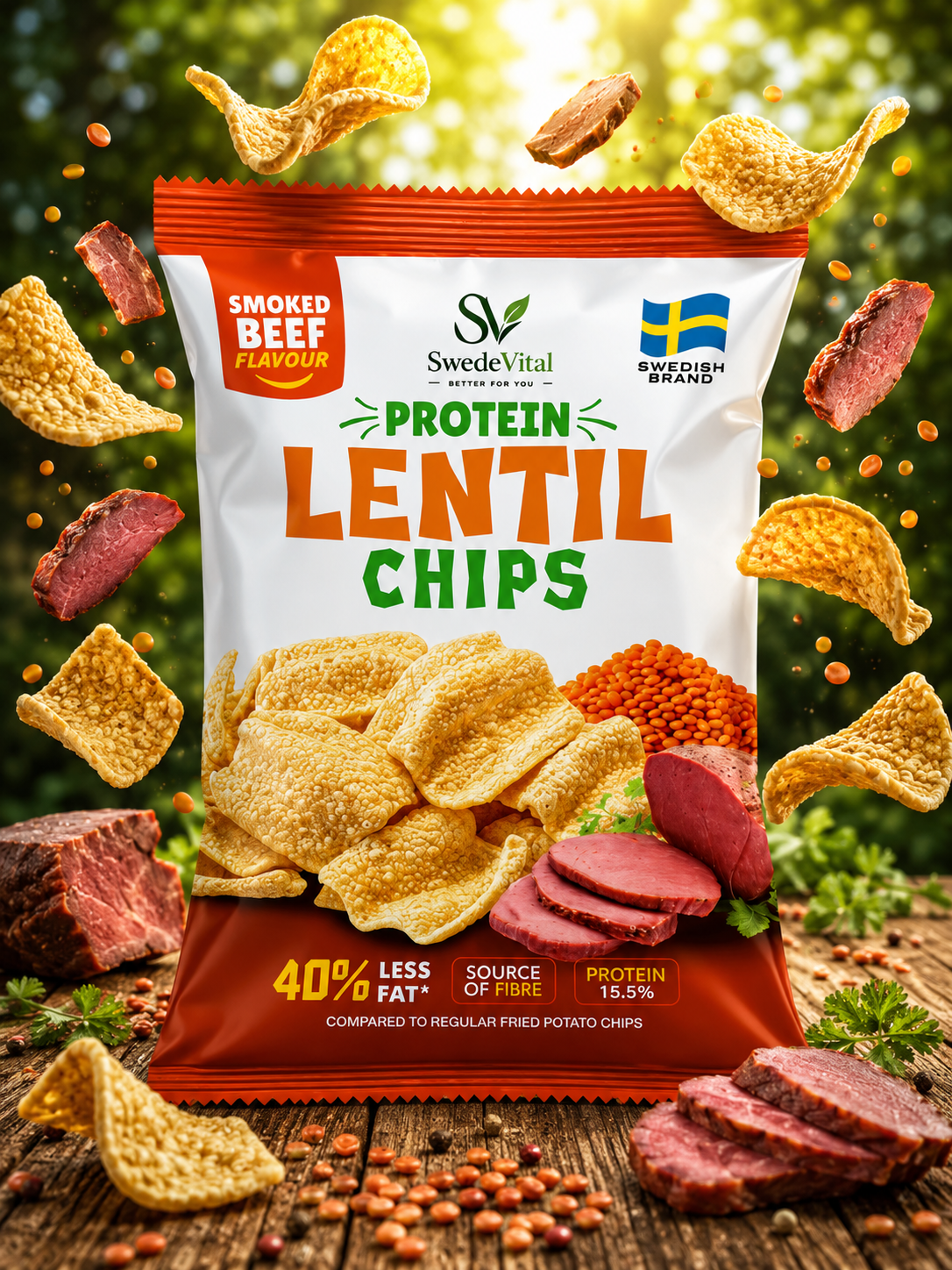
Finally, stay informed about industry developments through resources like the Private Label Manufacturers Association, which offers insights into market dynamics and innovations. By aligning with a proactive manufacturer, you can better anticipate and adapt to market changes, ensuring your products remain competitive and appealing to consumers.
Vanliga frågor
What is the difference between white label and private label for supplements?
White label uses pre-made, generic formulas available to multiple brands for fast launches. Private label offers custom formulations, exclusive packaging, and higher brand differentiation, requiring more planning but building stronger brand equity.
What should I look for in a private label manufacturer for protein bars?
Look for partners with specific category experience, clear Minimum Order Quantities (MOQs), reliable lead times, food-safety certifications (like ISO or BRC), and the ability to provide retail-ready packaging that helps your product stand out.
Why is private label manufacturing growing in the European supplement market?
Retailers use private label to build customer loyalty and improve margins by offering unique products. Consumers demand better ingredients and clearer functional benefits, driving strong buyer intent for specialized protein bars and supplements in Europe.