Protein Snack Boxes for Retail: Kids, Fitness, Travel & Wellness Snack Ideas
Kort sammanfattat
Successful protein snack boxes for retail are built around specific life moments rather than random assortments. Key categories include nut-free options for kids, gentle flavors for pregnancy, and non-perishable items for travel. SwedeVital supports this strategy through private label manufacturing and European production, ensuring products meet strict safety and compliance standards while address
TL;DR
- Retailers should curate protein snack boxes by occasion—such as school lunches or gym recovery—using clear positioning and safe ingredients to drive sales.
Choosing the Right Protein Snack Box for Every Retail Segment
The rise of on‑the‑go nutrition has turned protein snack boxes into a staple in grocery aisles, fitness centers and travel hubs alike. Yet retailers often face a maze of options: kid‑friendly mixes, high‑protein gym packs, compact travel bundles or wellness‑oriented assortments. A systematic decision framework—rather than a generic “pick the most popular” rule—helps align product mix with customer intent, shelf space constraints and regulatory expectations.
1. Define the Core Customer Intent
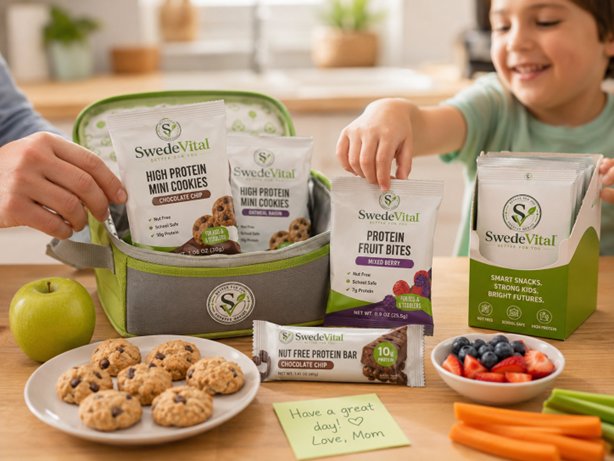
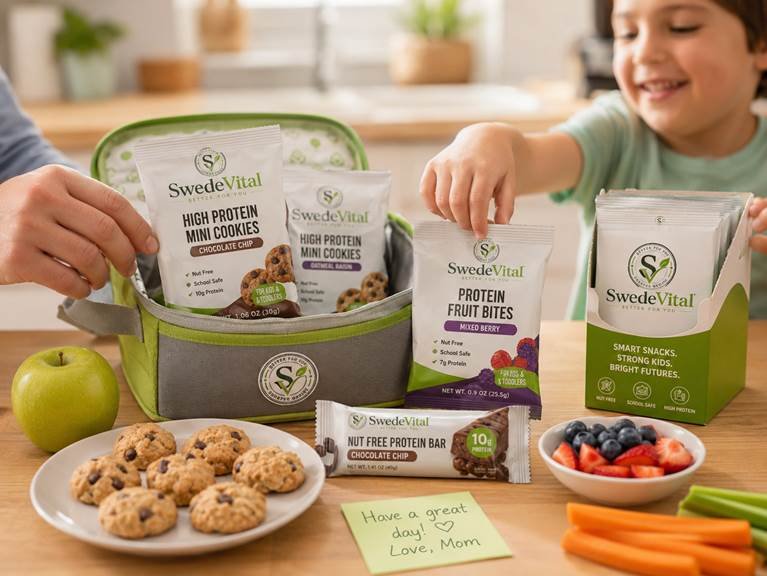
- Kids: Parents look for balanced nutrition, familiar flavors and safe packaging. Protein content should be moderate (10–15 g per serving) to complement a meal rather than replace it.
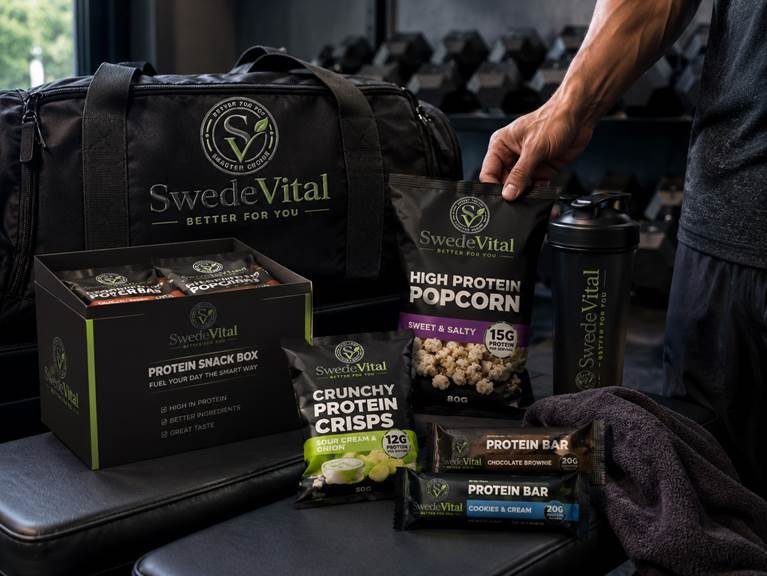
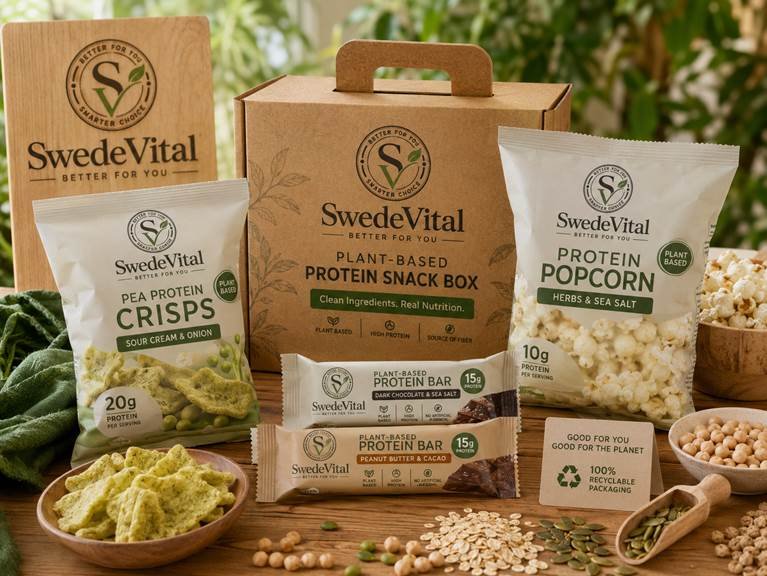
- Fitness Enthusiasts: The focus is on muscle recovery and sustained energy. Boxes should deliver 20–30 g of protein per snack, with a clear source (whey or plant‑based).
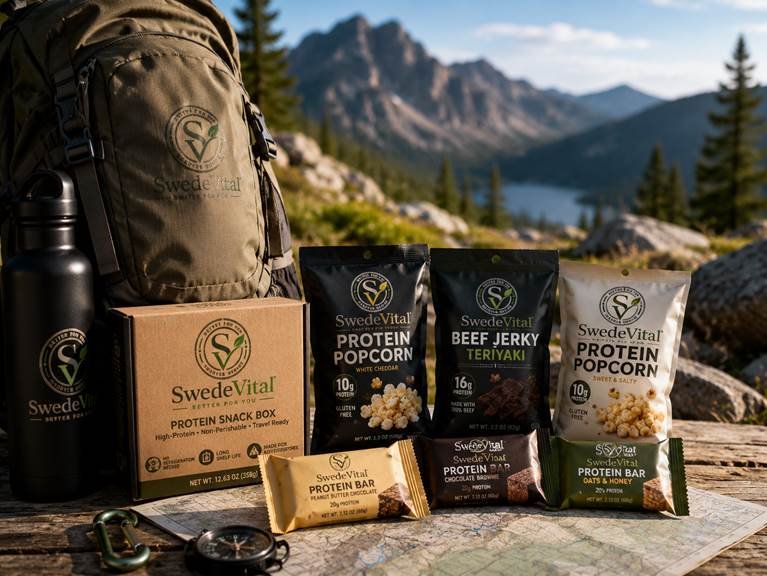
- Travelers: Convenience and portability are paramount. Compact, resealable packs that resist crushing fit best.
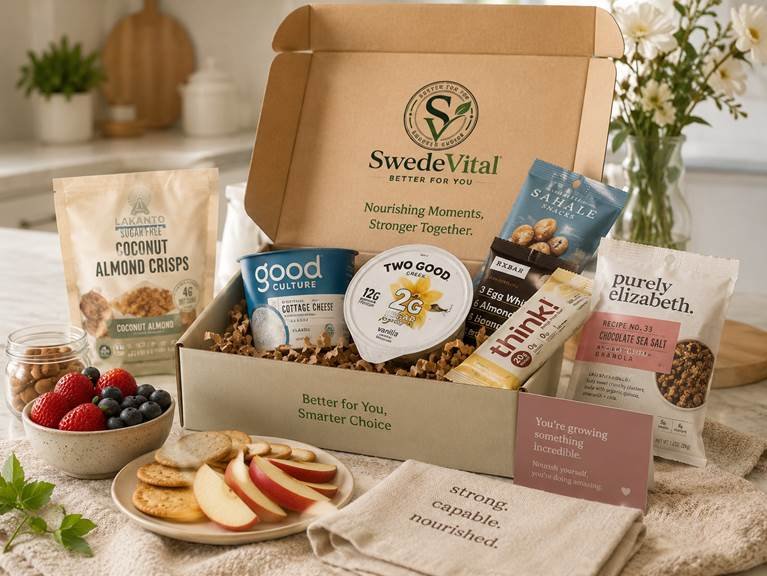
- Wellness Seekers: Interest lies in clean ingredients, functional additives (e.g., probiotics) and a lower glycemic index.
2. Map Product Attributes to Segment Needs
Using the SwedeVital portfolio as an example, each item can be scored against the four intent categories:
- Dates & Hazelnuts Coated with Coconut (150 g): 15 g protein, sweet‑savory profile—ideal for kids and wellness boxes.
- Dates & Peanuts Brownie (150 g): 18 g protein, chocolate flavor—fits fitness and travel segments.
- Swedish Chocolate Ball (150 g): 20 g protein, rich cocoa—targets fitness and wellness shoppers.
- Lentil Chips – Sea Salt (50 g): 10 g protein, crunchy texture—suitable for kids and travel.
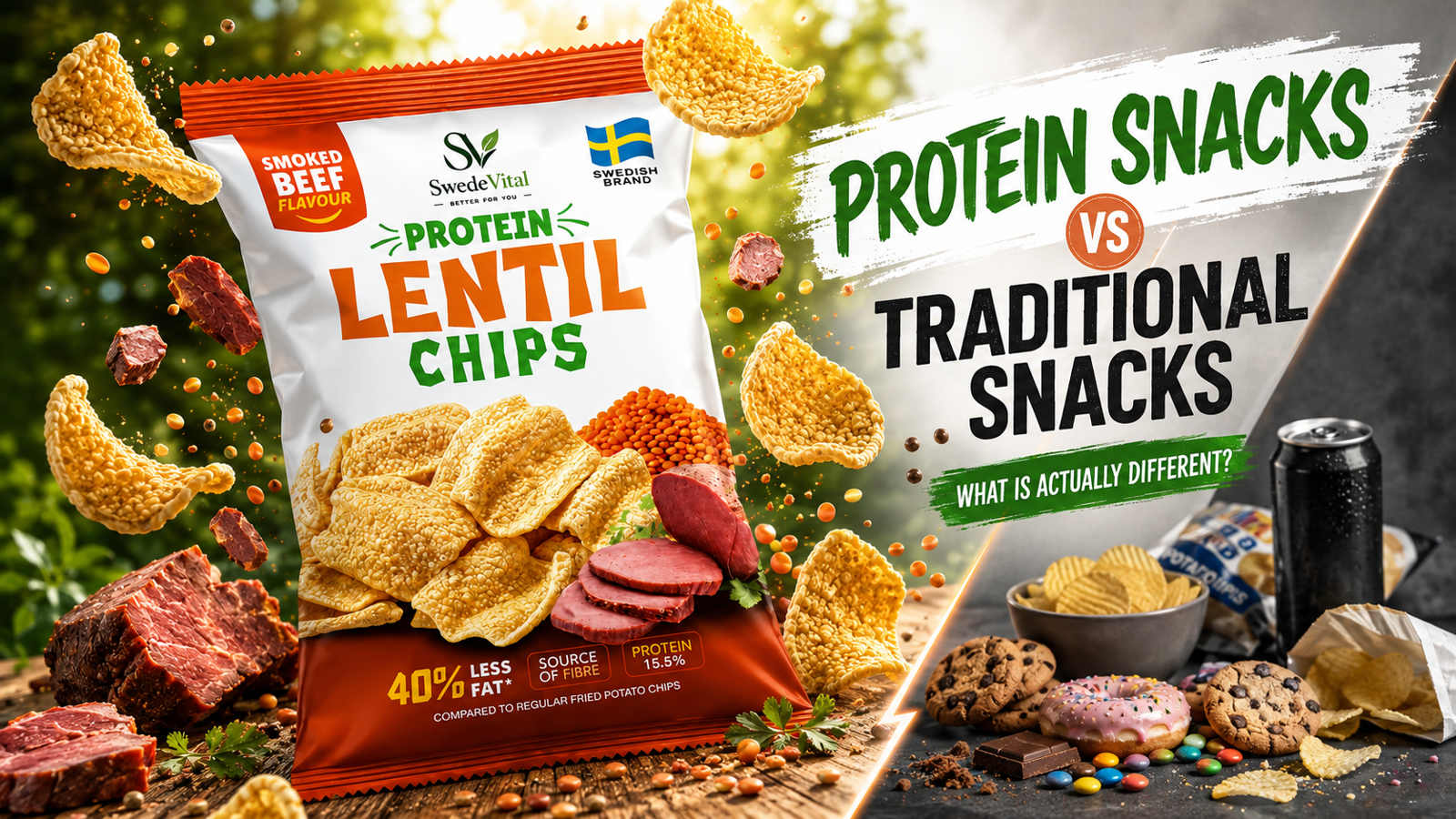
- Lentil Chips – Smoked Beef (50 g): 12 g protein, savory taste—fitness and wellness.
- Lentil Chips – Sour Cream & Onion (50 g): 11 g protein—kids and travel.
- Lentil Chips – Vegan Cheese (50 g): 10 g protein—wellness and vegetarian fitness markets.
3. Apply the “Three‑C” Trade‑Off Matrix
Retailers must balance Cost, Convenience and Compliance. The matrix below shows how each segment scores:
| Segment | Cost (Low–High) | Convenience (Compact–Bulk) | Compliance (Allergen‑Free, Shelf Life) |
|---|---|---|---|
| Kids | Medium | Bulk (family packs) | Allergen‑free options preferred |
| Fitness | High | Compact (single servings) | Clear protein labeling required |
| Travel | Low–Medium | Ultra‑compact, resealable | Extended shelf life, no perishable ingredients |
| Wellness | High | Mid‑size (4–6 servings) | Clean label, no artificial additives |
4. Build a Modular Box Blueprint
Start with a base of 4–6 core items and add “flavor boosters” or “functional extras” based on the target segment:
- Kids Box: Mix Dates & Hazelnuts, Lentil Chips – Sea Salt, a small portion of chocolate balls for variety.
- Fitness Box: Include two 150 g protein bites (Peanuts Brownie and Swedish Chocolate Ball) plus a 50 g Smoked Beef lentil chip for savory contrast.
- Travel Box: Pack three 50 g chips (Sea Salt, Sour Cream & Onion, Vegan Cheese) in individual resealable bags; add one small protein bite for energy.
- Wellness Box: Combine Dates & Hazelnuts, Lentil Chips – Vegan Cheese, and a single Swedish Chocolate Ball to keep sugar low.
5. Validate with Market Benchmarks
Industry data shows that high‑protein snack boxes averaging 25 g per serving
Vanliga frågor
What makes a successful protein snack box for retail?
A successful retail protein snack box is curated around specific customer occasions like school lunches, post-workout recovery, or travel. It requires clear protein positioning, safe allergen handling, and packaging that appeals to the target demographic without feeling generic.
How should protein snacks be positioned for children in retail?
For children, protein snacks should focus on trust and safety rather than high protein numbers. Key factors include nut-free options, mild flavors, small portions, and clear labeling to help parents make quick, confident purchasing decisions.
What are the best protein snack ideas for travel and outdoor activities?
For travel and hiking, prioritize non-perishable, portable snacks that require no refrigeration. Ideal options include protein bars, crisps, popcorn, and seed mixes with strong packaging to ensure freshness and convenience.
How can retailers handle pregnancy-related protein snack searches?
Retailers should offer gentle, nutrient-dense options like yogurt-style bars and soft textures. It is crucial to avoid medical claims and instead focus on everyday convenience, balanced ingredients, and clear labeling that encourages healthcare guidance.