Protein Snacks Wholesale: How to Buy Better Snacks in Bulk Without Filling Your Store With Boring Bars
Kort sammanfattat
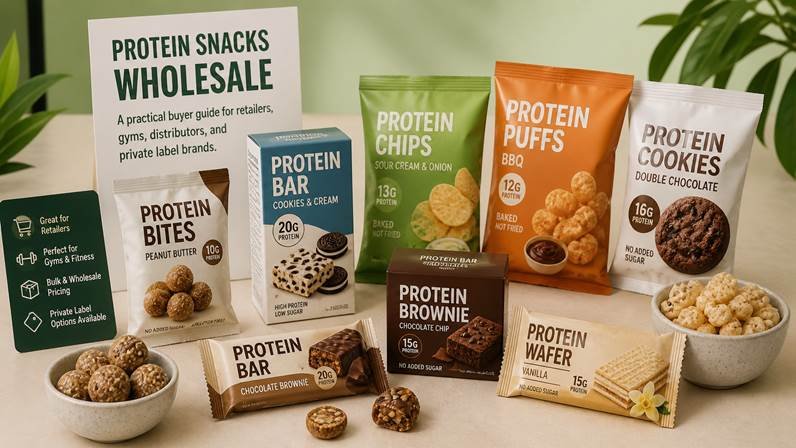
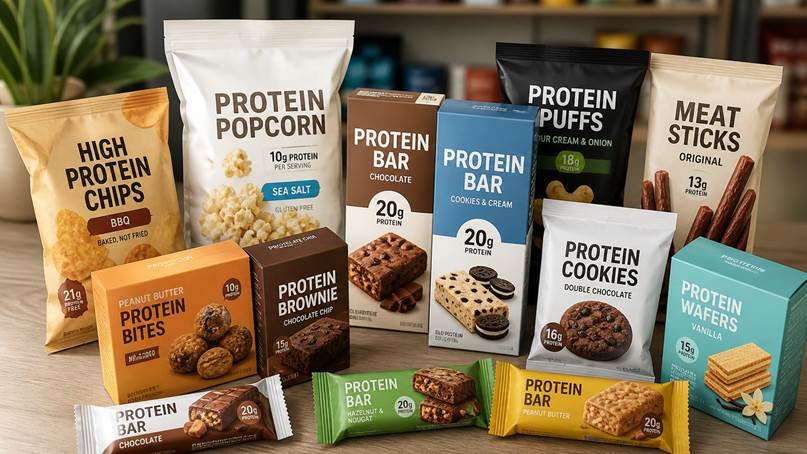
To buy protein snacks wholesale effectively, select products aligning with customer lifestyles, verify minimum order quantities, and compare shelf life. Focus on diverse formats like protein bites, chips, and private label options from reliable suppliers to ensure taste, functionality, and strong retail margins without stocking uninspiring bars.
TL;DR
- Source diverse, tasty protein snacks in bulk by prioritizing format variety, supplier reliability, and customer lifestyle alignment over generic bar options.
Bulk Buying Protein Snacks: A Decision Framework That Keeps Your Shelves Fresh and Your Margins Healthy
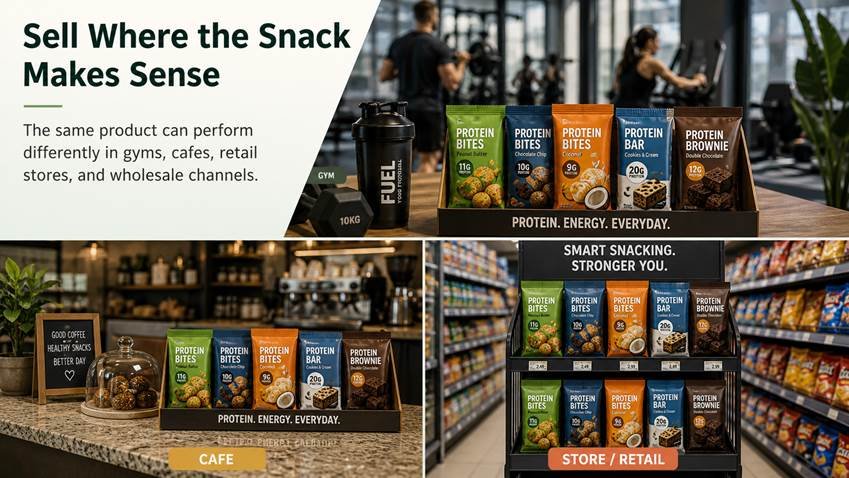
The bulk‑purchase of protein snacks is no longer a simple “buy the cheapest” exercise. Retailers, gyms, and corporate wellness programs now face a crowded market where flavor variety, clean‑label credentials, and shelf life are as critical as price. The following framework helps you evaluate options systematically so that every kilogram stocked adds value rather than clutter.
1. Define Your Core Customer Profile
- Health‑conscious consumers: Seek low sugar, high protein, and natural ingredients.
- Performance athletes: Need a specific macronutrient ratio (e.g., 3:1 carb‑to‑protein) for recovery.
- Corporate wellness clients: Prefer convenient, ready‑to‑eat options that fit office snack policies.
Once you know which segment dominates your store or program, filter suppliers on the attributes most relevant to that group.
2. Evaluate Product Integrity and Shelf Life
- Ingredient transparency: Verify that labels list all components and avoid artificial additives. For example, SwedeVital’s Protein Bites feature dates, nuts, and coconut without added sugars.
- Packaging technology: Look for vacuum‑sealed or nitrogen‑purged bags that extend freshness beyond the typical 30–45 days of conventional bars.
- Storage conditions: Confirm whether products require refrigeration or can stay at room temperature, as this impacts logistics and shelf placement.
3. Compare Cost Structures Beyond Unit Price
Wholesale pricing often hides additional fees: minimum order quantities (MOQs), shipping surcharges, and handling costs for fragile items like lentil chips. Create a spreadsheet that calculates the true cost per gram, including:
- Unit price × quantity ordered
- Freight charges divided by total weight
- Packaging or labeling fees if you plan to rebrand
This holistic view prevents surprises when the invoice arrives.
4. Test Flavor and Texture Diversity with Small Batches
Bulk orders can lock you into a flavor that may not resonate with your audience. Many suppliers offer pilot packs or sample kits. Use these to run a quick taste test:
- Distribute samples across different store sections.
- Collect feedback via QR‑coded surveys linked to our nutrition guide.
- Adjust your SKU mix based on response rates and repeat purchase intent.
5. Align with Regulatory and Labeling Standards
In the EU, protein claims must comply with Regulation (EU) No 1169/2011. Ensure that any product you stock lists protein content per serving and meets the minimum thresholds for “high‑protein” labeling if you wish to market it as such. Suppliers like SwedeVital provide certificates of analysis upon request.
6. Leverage Supplier Relationships for Flexibility
A strong partnership can grant you:
- Priority access to new flavors before competitors.
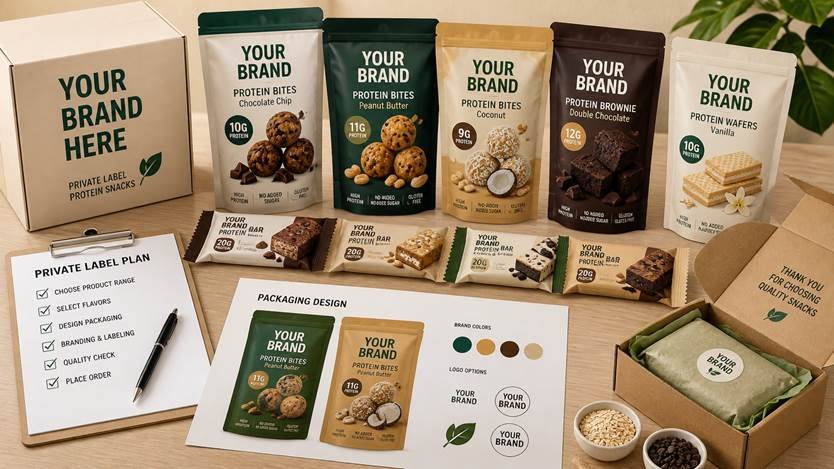
- Custom packaging options that reflect your brand identity.
- Flexible payment terms during seasonal demand spikes.
Ask potential suppliers about their wholesale program details and negotiate a trial period before committing to large volumes.
7. Monitor Performance Metrics Post‑Launch
Track the following KPIs for each SKU:
- Sell‑through rate (units sold ÷ units stocked).
- Gross margin contribution per gram.
- Customer return or complaint frequency.
Use this data to refine your mix quarterly, ensuring that every product on the shelf drives revenue and brand loyalty.
Case in Point: SwedeVital Protein Bites vs. Traditional Bars
SwedeVital’s 150 g protein bites—such as Dates & Hazelnuts Coated with Coconut—offer a clean‑label alternative to conventional granola bars that often contain added sugars and artificial flavors. The bite format also reduces packaging waste, appealing to eco‑conscious shoppers.
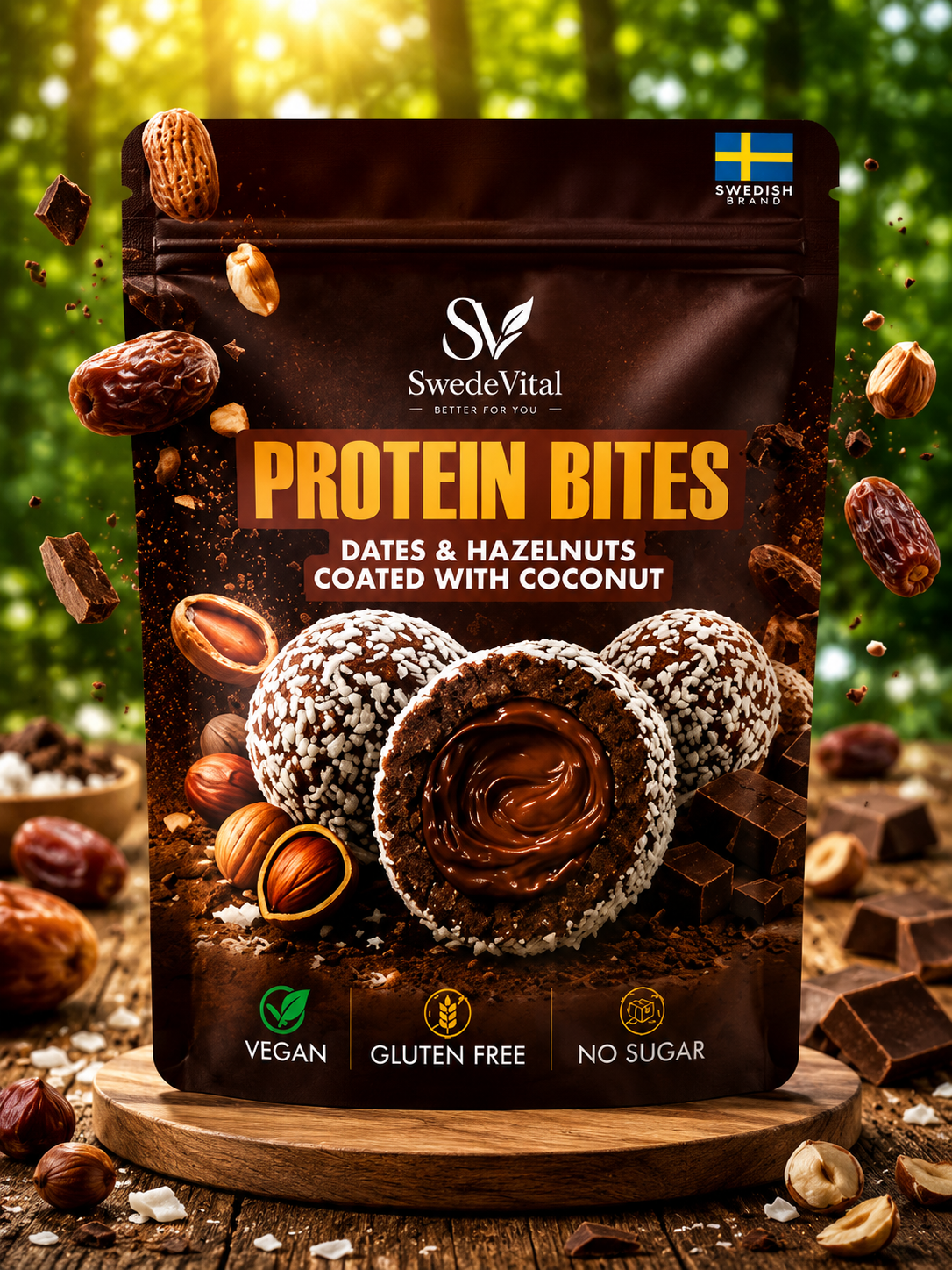
For more on how these bites stack up against traditional options, see SwedeVital Protein Bites vs Traditional Granola Bars.
Bottom Line
Buying protein snacks wholesale is a strategic decision that hinges on customer insight, product integrity, cost transparency, and supplier agility. By applying
Vanliga frågor
What is the best way to buy protein snacks wholesale?
The best approach is to choose products matching customer lifestyles, check minimum order quantities, compare shelf life and packaging, and partner with reliable private label manufacturers or wholesalers for consistent supply.
What types of protein snacks are popular for wholesale?
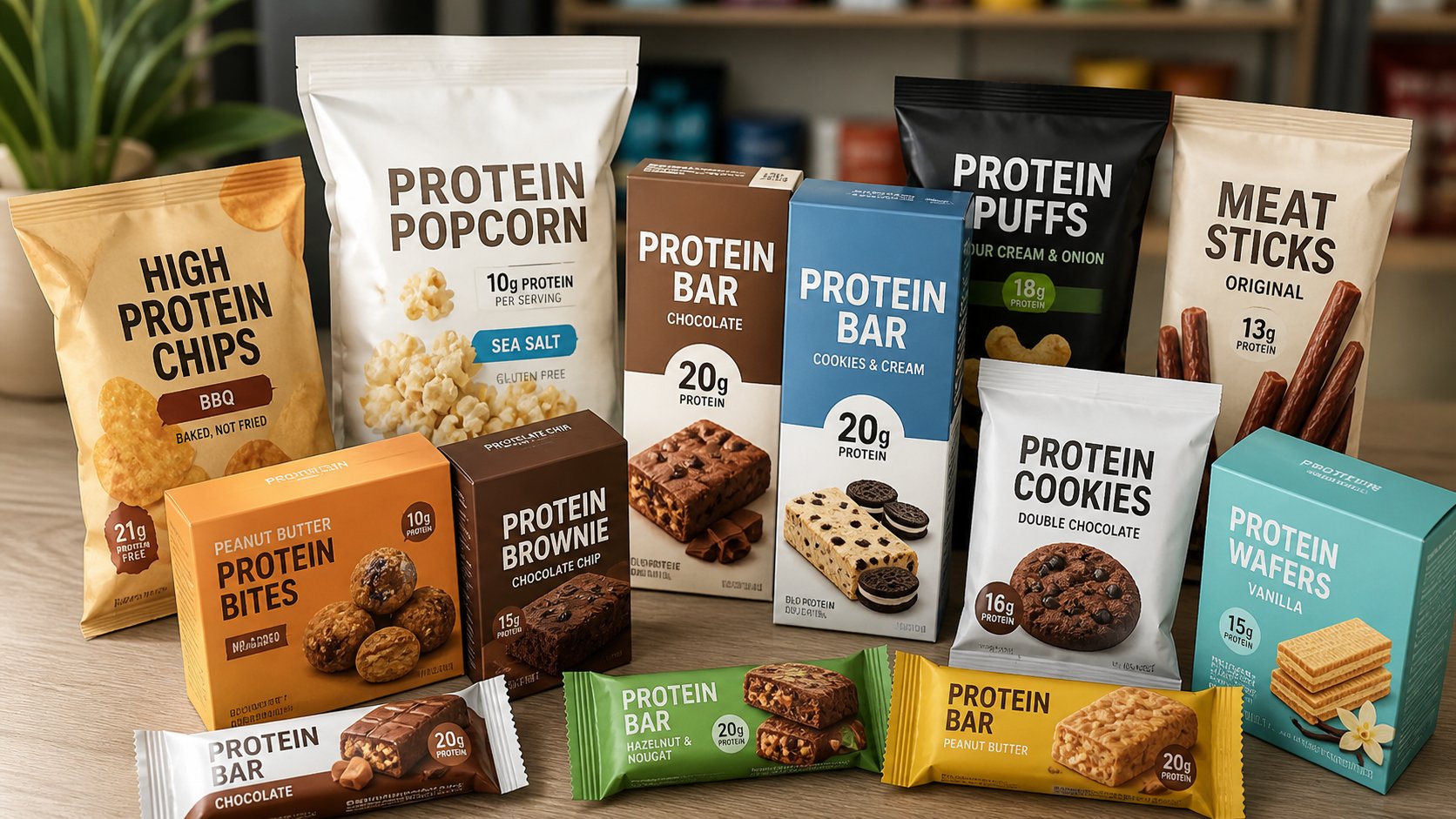
Popular wholesale formats include protein bites, bars, chips, puffs, cookies, brownies, meat sticks, and functional snack mixes, each serving different retail needs from gyms to supermarkets.
Why should retailers buy protein snacks in bulk?
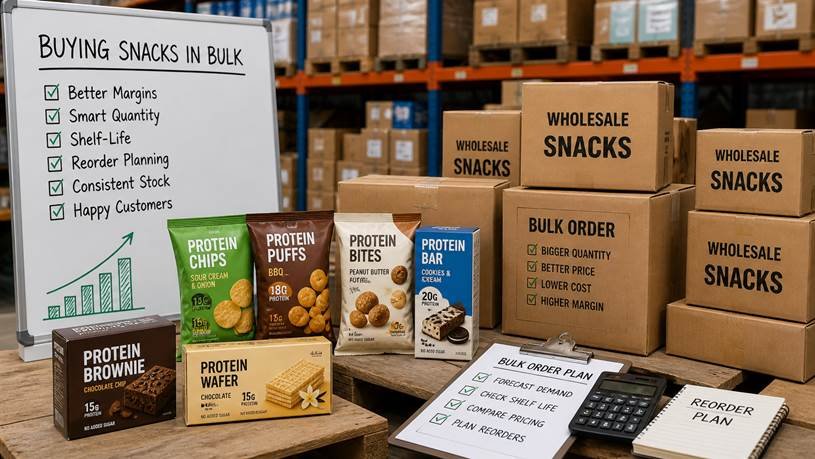
Buying in bulk offers better unit costs, more consistent stock, stronger product margins, easier bundle creation, and greater control over shelf planning and supplier negotiations.