Wholesale Healthy Snacks for Retail: How to Stock Better Products Without Turning Your Shelf Into a Random Wellness Garage Sale
Kort sammanfattat
Wholesale healthy snacks are bulk-purchased, shelf-ready products supplied to B2B buyers like retailers and distributors. The best options combine strong shelf appeal, clear nutrition benefits, reliable supply, compliant packaging, and formats customers understand, such as protein bars and functional snacks that fit modern retail routines.
TL;DR
- Retail buyers should select wholesale healthy snacks based on channel-specific needs, ensuring products offer clear nutritional value, shelf-ready packaging, and consistent supplier reliability to maximize sales and margin.
Stocking Wholesale Healthy Snacks: A Decision Blueprint, Not a Checklist

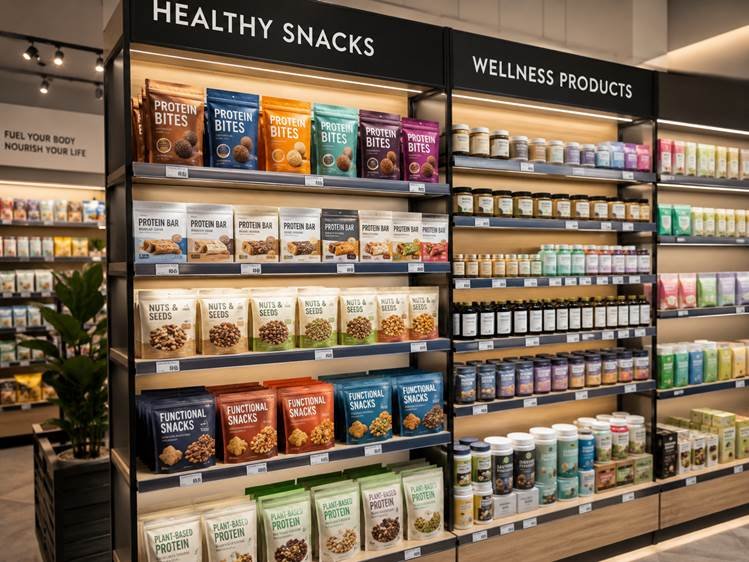
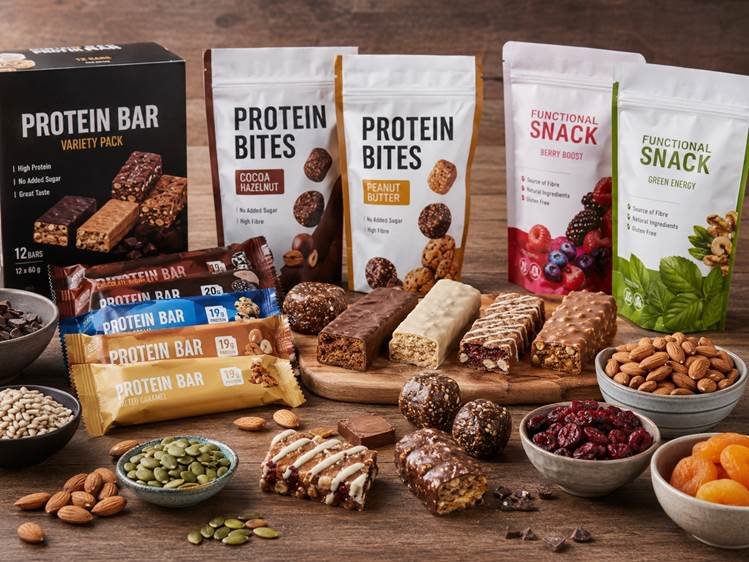
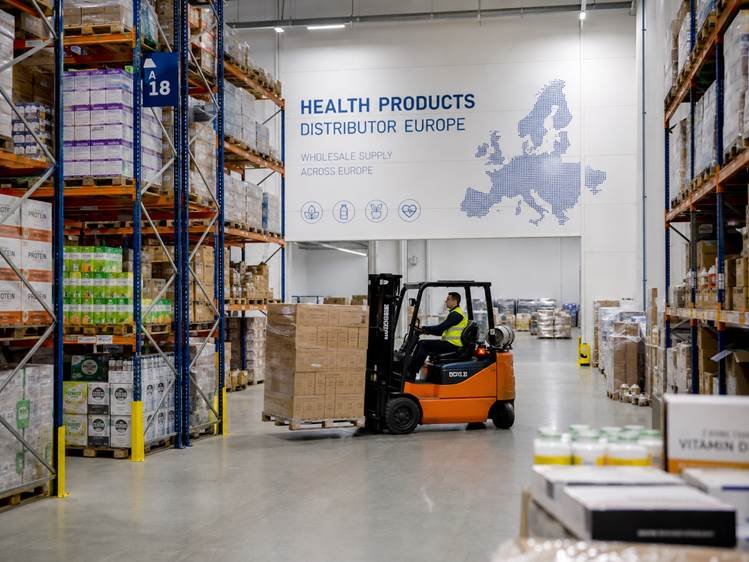
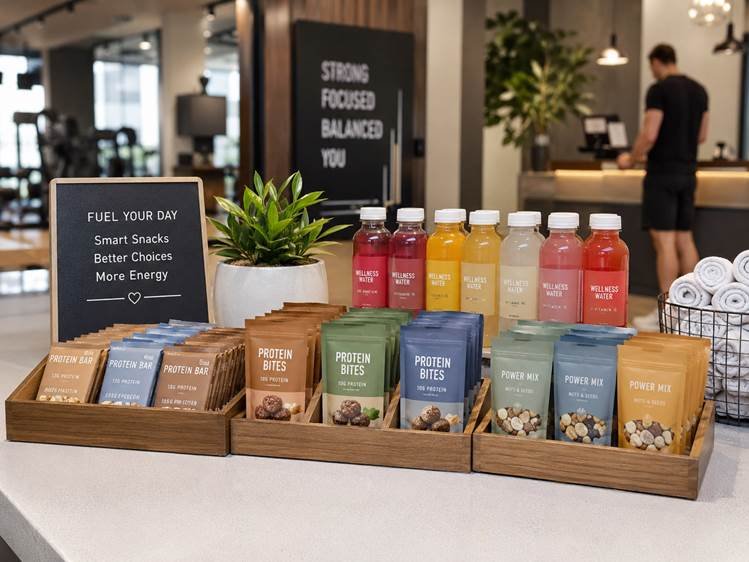
The retail shelf is a battleground where consumer health trends collide with profit margins. If you’re looking to add wholesale healthy snacks without turning your aisle into a “wellness garage sale,” you need a framework that balances nutrition, variety, and sales velocity.
1. Define the Core Customer Profile Early
Start with a single data point: who will buy these snacks? Use foot‑traffic analytics or loyalty‑card data to segment shoppers by age, income, and health intent. For example:
- Health‑conscious millennials (25‑35) – prioritize plant‑based protein bars.
- Busy professionals (35‑50) – look for quick, high‑protein options that fit a lunchbox or office desk.
- Parents of school‑age kids – need low‑sugar, kid‑friendly snacks.
Once you have the segment, map it to snack attributes: protein content, sugar level, packaging size, and price point. This mapping turns a vague “healthy” label into actionable SKU choices.
2. Build a Tiered Product Matrix
Create three tiers that cover the spectrum from entry‑level to premium:
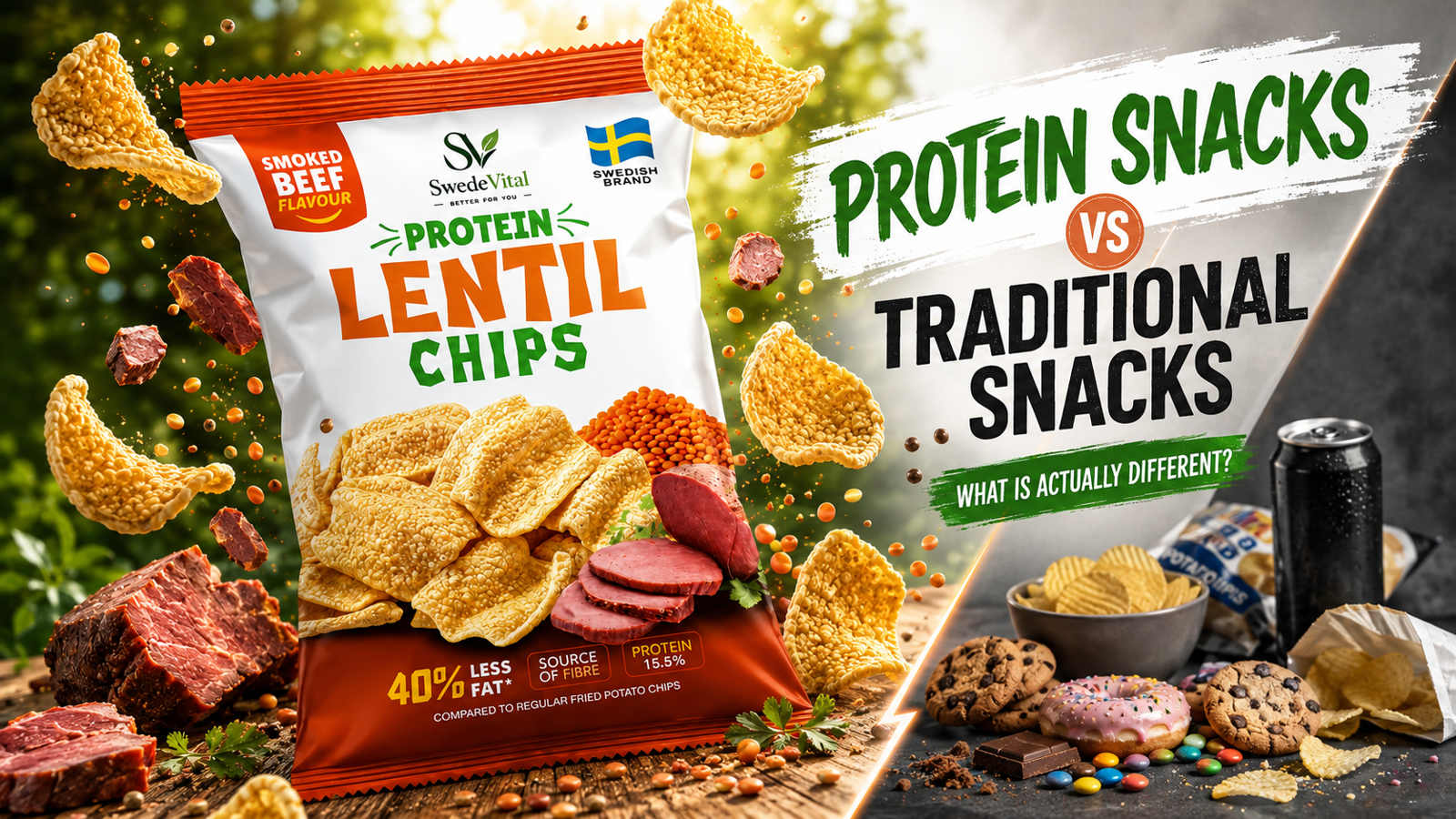
- Core staples – items with broad appeal and high turnover (e.g., lentil chips in sea salt).
- Mid‑tier differentiators – products that offer a unique flavor or functional claim (e.g., protein bites with dates & hazelnuts).
- Premium niche – limited‑edition or specialty items that justify higher margins (e.g., vegan cheese lentil chips).
This matrix ensures you satisfy everyday shoppers while still offering a “wow” factor for impulse buys.
3. Apply the “Three‑Rule” Shelf Placement Test
Rule 1: Visibility – The snack must be within eye level or at least one shelf above the customer’s line of sight. Rule 2: Accessibility – Packaging should allow easy single‑hand grab, especially for on‑the‑go consumers. Rule 3: Complementarity – Position alongside complementary items (e.g., protein bites next to yogurt or nuts) to encourage cross‑sell.
Test each SKU against these rules before final placement. If a product fails one, consider redesigning the packaging or moving it to a different aisle.
4. Leverage Data‑Driven Replenishment Cycles
Use point‑of‑sale (POS) data to calculate the “reorder window” for each SKU:
- Fast movers – reorder every 2–3 weeks.
- Mid‑movers – reorder monthly.
- Slow movers – reorder quarterly, but keep a small safety stock to avoid stockouts during promotional pushes.
Automate alerts when inventory dips below the reorder threshold. This keeps shelves stocked without over‑ordering, which is especially critical for perishable or seasonal items.
5. Integrate Sustainability Metrics into Your Selection
Modern consumers equate “healthy” with “sustainable.” Evaluate suppliers on:
- Packaging material – look for recyclable or compostable options.
- Ingredient sourcing – prioritize local, organic, or fair‑trade certified ingredients.
- Carbon footprint – request supplier sustainability reports if available.
Highlight these attributes on shelf tags; a simple “Certified Organic” sticker can drive up to 15% more sales in health‑focused aisles (source: FrontierCoop Healthy Snacks List).
6. Pilot Test with a “Snack Lab” Shelf
Create a dedicated test zone where you rotate new SKUs weekly. Track:
- Purchase intent – measured by the number of samples taken.
- Conversion rate – actual sales versus displayed units.
- Customer feedback – quick surveys or comment cards.
Use this data to decide whether a product moves into the permanent lineup. The pilot approach reduces risk and ensures only proven items occupy prime shelf space.
7. Align Pricing with Value Perception
Vanliga frågor
What defines wholesale healthy snacks for retail?
Wholesale healthy snacks are bulk-purchased, shelf-ready snack and wellness products supplied to retailers, distributors, supermarkets, gyms, and hotels. They must combine strong shelf appeal, clear nutrition benefits, reliable supply, and compliant packaging.
Which wholesale healthy snacks are best for supermarkets?
Supermarkets benefit most from protein bars, protein bites, and functional snacks that offer high shelf appeal, barcode readiness, and stable supply. These products fit easy category placement and broader shopper appeal.
What should buyers look for when choosing wholesale snack suppliers?
Buyers should verify if shoppers understand the product quickly, if packaging is shelf-ready, if merchandising is easy, and if margin and reorder potential are strong. Consistency in delivery, labeling, and compliance is also critical.
How do wholesale healthy snacks differ for gyms vs. hotels?
Gyms prefer high-protein bars and grab-and-go nutrition focused on convenience and active-lifestyle positioning. Hotels prioritize premium, portable, visually clean options with presentation quality suitable for mini-markets or lounges.