Wholesale Protein Bars: How Retailers Can Stock Healthy Snacks Without Turning the Shelf Into a Protein Brick Wall
Kort sammanfattat
Retailers should buy wholesale protein bars when they offer strong shelf appeal, clear nutrition claims, reliable supply chains, extended shelf life, barcode-ready packaging, and a price structure that preserves healthy margins. Success depends on diversifying beyond just bars to include bites and chips, ensuring the assortment matches specific customer needs in gyms, cafes, or convenience stores
TL;DR
- Retailers should diversify their snack range beyond just protein bars to include bites and chips, checking for shelf life, MOQs, and margin potential before ordering wholesale.
Wholesale Protein Bars: How Retailers Can Stock Healthy Snacks Without Turning the Shelf Into a Protein Brick Wall
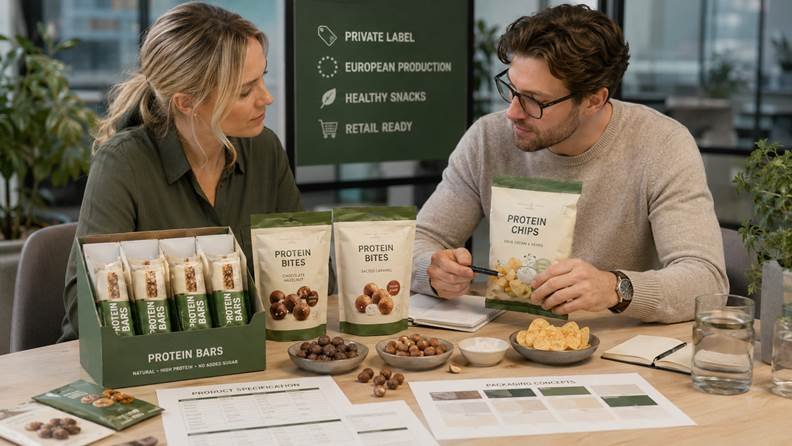
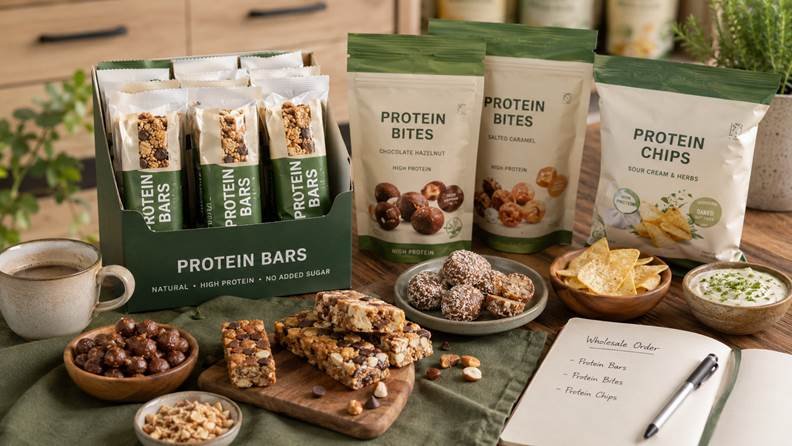
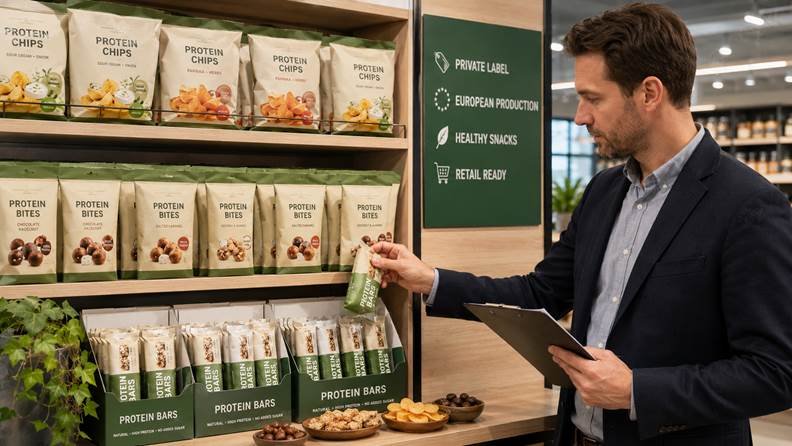
The protein‑bar boom is no longer a niche trend; it’s a multi‑billion‑dollar segment that now occupies a prominent place in grocery aisles, coffee shops, and fitness centers. For retailers, the challenge isn’t finding enough options—it’s curating a lineup that satisfies diverse consumer demands while keeping shelf space efficient and profitable.
1. Define Your Target Customer Segments
Start by mapping out who will buy your protein bars:
- Health‑conscious fitness enthusiasts – prioritize high protein, low sugar, and functional ingredients.
- Busy professionals – need convenient, ready‑to‑eat options that fit a hectic schedule.
- Parents & families – look for kid‑friendly flavors and balanced nutrition.
- Plant‑based shoppers – demand vegan or dairy‑free formulations.
Once you’ve identified these groups, align your product mix accordingly. For example, a store in a gym‑dense area might carry more high‑protein, low‑carb bars, whereas a family‑friendly supermarket may favor milder flavors and smaller sizes.
2. Build a Tiered Product Portfolio
A single “protein bar” category can be split into three tiers that balance price, nutrition, and shelf appeal:
- Core staples – affordable, widely accepted flavors (e.g., chocolate peanut butter). These drive volume.
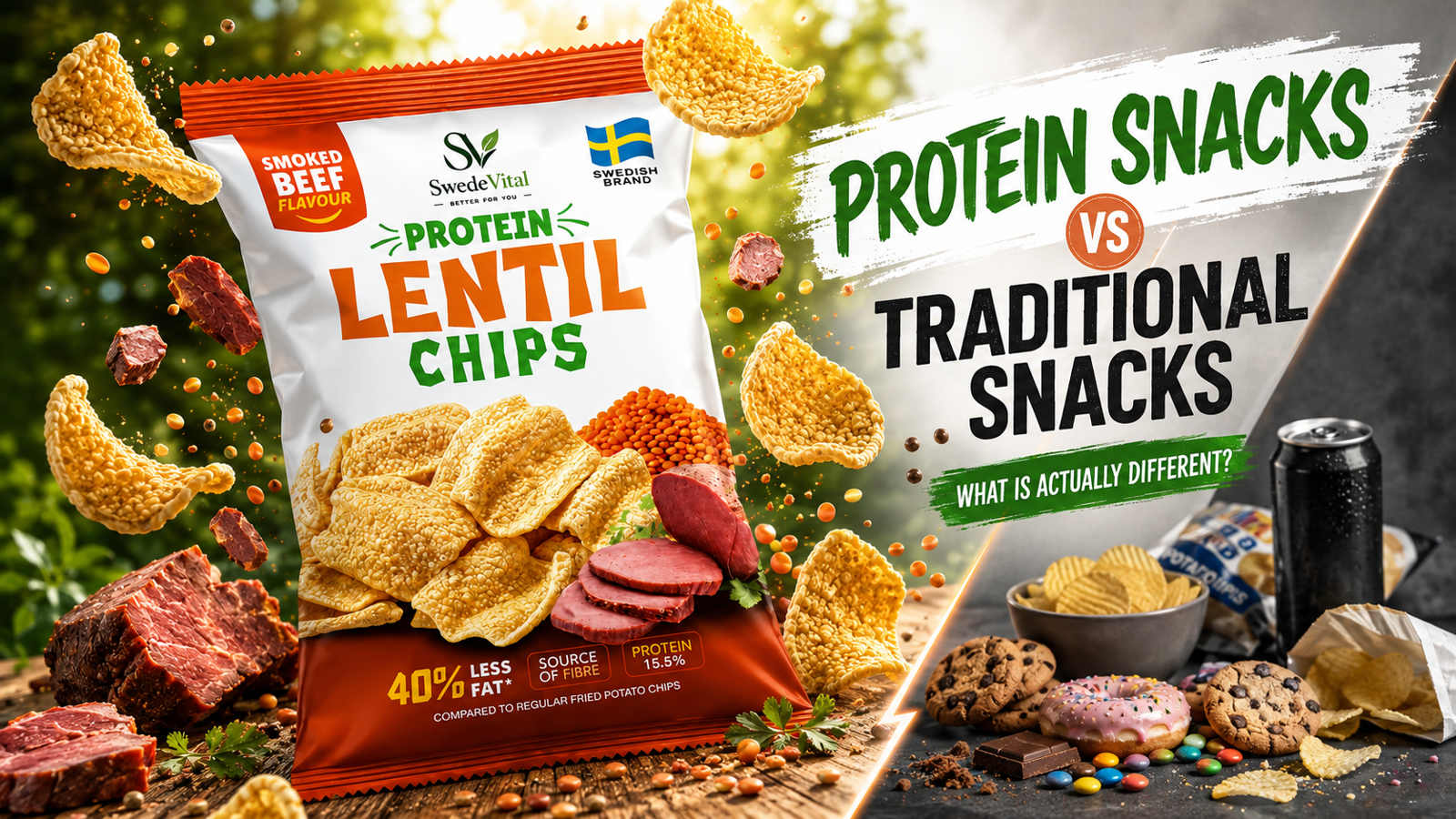
- Premium niche – specialty ingredients or unique textures (e.g., lentil chips with smoked beef). These command higher margins and attract trend‑setters.
- Seasonal/limited editions – rotating flavors that create urgency and repeat visits.
This structure lets you maintain a steady revenue stream while offering variety that keeps customers curious. It also prevents the shelf from becoming a monotonous “protein wall.”
3. Leverage Private‑Label Flexibility
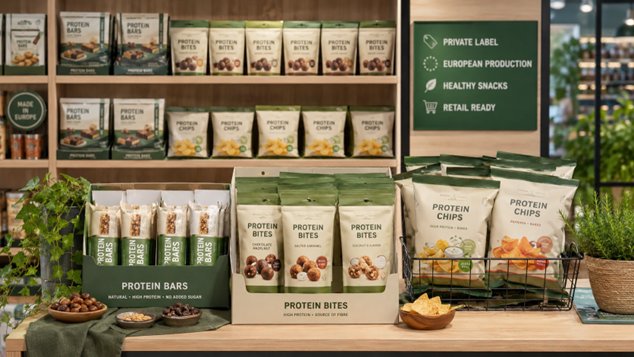
Private‑label manufacturing gives retailers control over branding, packaging size, and ingredient lists—critical levers for differentiation in a crowded market. By partnering with a European contract manufacturer that offers turnkey solutions, you can:
- Adjust protein sources (whey, soy, pea) to match consumer preferences.
- Introduce functional claims such as “high‑fiber” or “no added sugar.”
- Scale production quickly for seasonal spikes without long lead times.
These capabilities allow you to respond swiftly to emerging trends—like the recent surge in plant‑based protein bars—without overcommitting inventory.
4. Optimize Shelf Space with Smart Packaging Sizes
Packaging size directly influences shelf density and consumer perception of value. Consider a mix of:
- Single‑serve (20–30 g) – ideal for impulse buys and office vending.
- Family packs (4–6 bars, 150–180 g each) – attract parents looking for bulk value.
- Travel packs (2–3 bars, 50–70 g each) – cater to commuters and travelers.
By offering a range of sizes, you can fit more products into the same shelf area while meeting different purchase intents. For instance, a coffee shop might carry only single‑serve packs, whereas a grocery store could display all three tiers side by side.
5. Use Data‑Driven Replenishment Cycles
Protein bars often have short shelf lives due to their perishable ingredients. Implementing a data‑driven replenishment strategy reduces waste and ensures availability:
- Track sales velocity – identify fast‑moving items that need frequent restocking.
- Set reorder thresholds – trigger orders when inventory falls below a predetermined level.
- Analyze seasonal trends – adjust order quantities for holidays, back‑to‑school periods, or fitness events.
Retailers who adopt automated replenishment systems report up to 15 % reduction in out‑of‑stock incidents and a corresponding lift in customer satisfaction.
6. Highlight Unique Selling Points on the Shelf
Clear, concise labeling helps shoppers make quick decisions. Focus on:
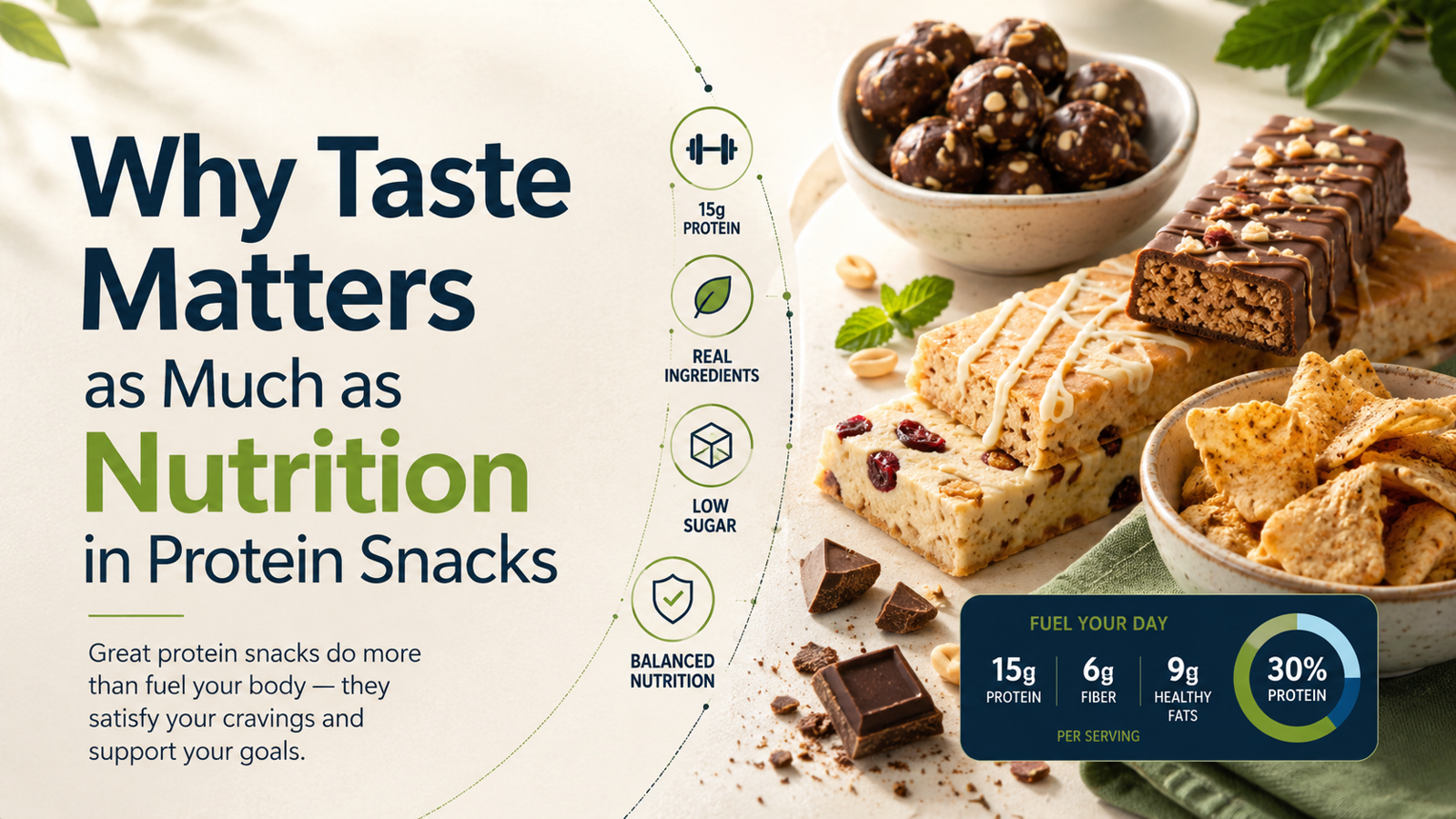
- Nutrient highlights – e.g., “25 g protein per bar.”
- Ingredient transparency – list key proteins and sweeteners.
- Functional claims – such as “contains 5 g fiber” or “vegan‑friendly.”
| Product Type | Best For | Retail Strength | Watch Before Ordering |
| Protein bars | Gyms, cafés, supermarkets, vending, convenience stores | Familiar, easy to explain, strong search demand | Taste, sugar level, bar texture, price per unit |
| Protein bites | Checkout counters, cafés, office snacks, premium shelves | Smaller portion, easy trial, strong snack appeal | Packaging size, resealability, flavour variety |
| Protein chips | Retail shelves, convenience, lunch snacks, savoury customers | Competes with regular chips but adds a functional angle | Crunch, seasoning, breakage during transport |
| Functional snacks | Health stores, wellness retailers, online bundles | Can support vegan, gluten-free, clean-label, or added-benefit positioning | Claims, certifications, ingredient clarity |
| Question | Why It Matters | Good Sign |
| Can I test samples first? | Avoids ordering based on packaging alone. Packaging can flirt. Taste tells the truth. | Supplier offers sample packs or starter orders. |
| Are products barcode and EU-label ready? | Retailers need products that can go on shelf without extra drama. | Barcode, ingredients, allergens, nutrition and language support are available. |
| Can I reorder consistently? | A bestseller that disappears is a tiny tragedy. | Clear lead times and scalable supply. |
| Do claims match documentation? | Retailers need compliance confidence. | Spec sheets and certification details are available. |
| Is the range flexible? | Different stores need different snack mixes. | Bars, bites, chips, and functional snacks are available. |
Vanliga frågor
What should retailers check before ordering wholesale protein bars?
Retailers must verify shelf life remaining, minimum order quantities (MOQ) per SKU or flavor, lead times, packaging durability, and whether the price structure allows for sufficient retail margin.
Should retailers stock only protein bars or a wider range?
Retailers should stock a mix of protein bars, bites, chips, and functional snacks. A diverse assortment caters to different customer preferences, such as savory options or smaller portion sizes, rather than just offering dense protein bars.
Why do wholesale protein bars work well in retail?
They combine convenience, functional nutrition (satiety), and impulse purchase potential. They fit naturally into high-traffic environments like gyms, cafes, and convenience stores where customers seek quick, healthier alternatives.