Beyond the Vitamin Aisle: How Retail Buyers Can Build a Health Supplement Shelf People Trust
Kort sammanfattat
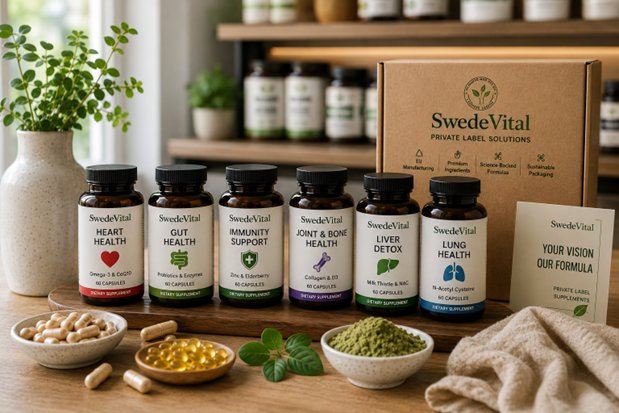
Organize supplements by wellness need—gut, immunity, joint, vein, lung, urinary, pet—and ensure packaging communicates purpose in three seconds. Use clean labeling, compliant claims, and reliable private label or white label suppliers to reduce risk and drive repeat purchases for retail buyers.
TL;DR
- Build a trusted supplement shelf by mapping products to specific customer needs like gut health or immunity, using clear packaging and reliable B2B suppliers to simplify the shopping experience.
Health Supplement Shelf Strategy: A Decision‑First Blueprint for Retail Buyers
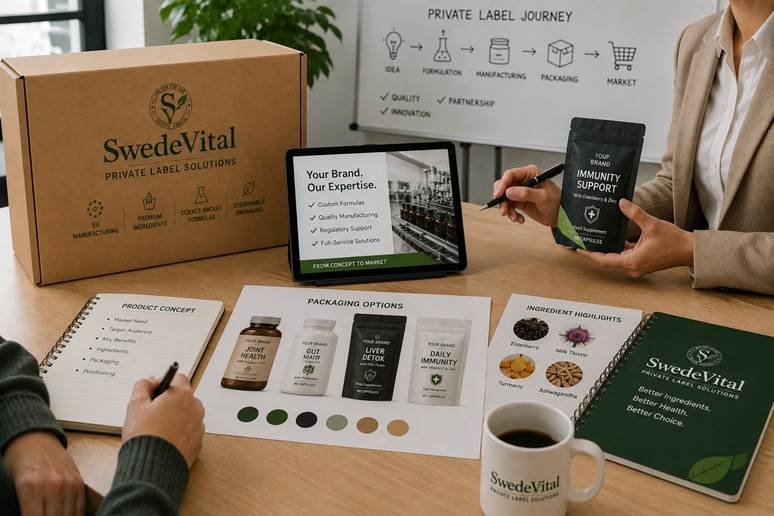
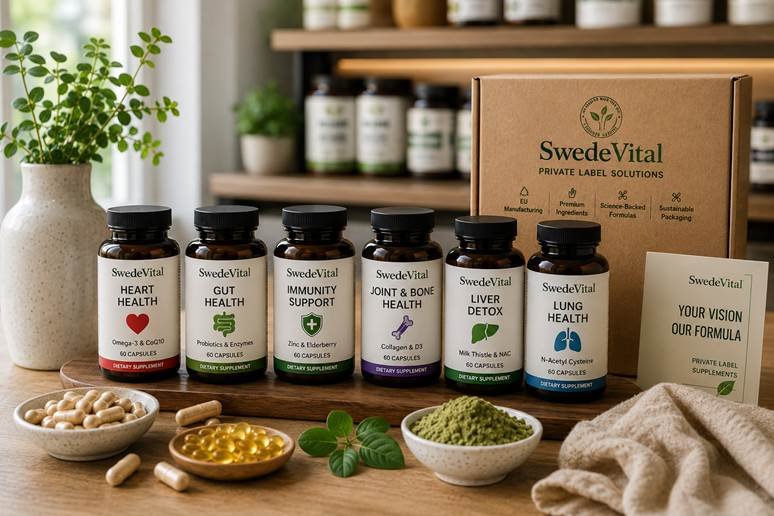
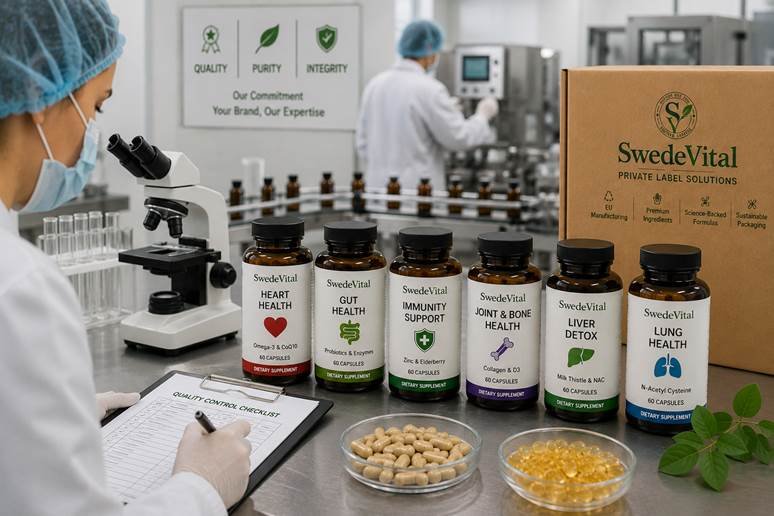
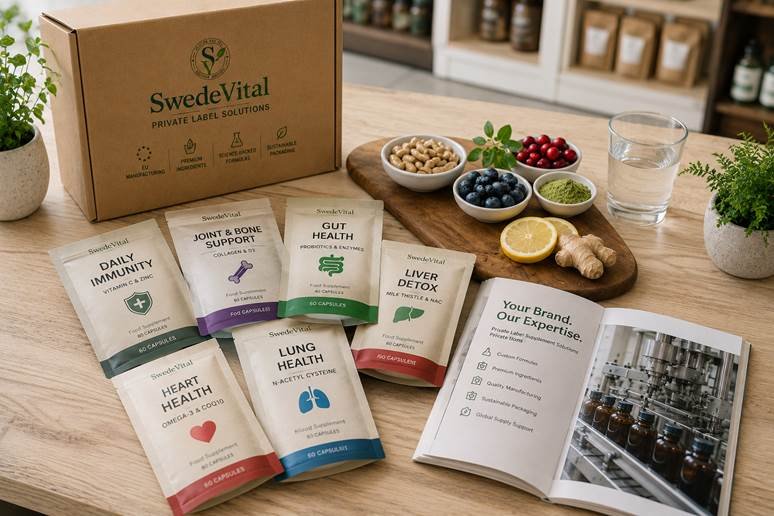
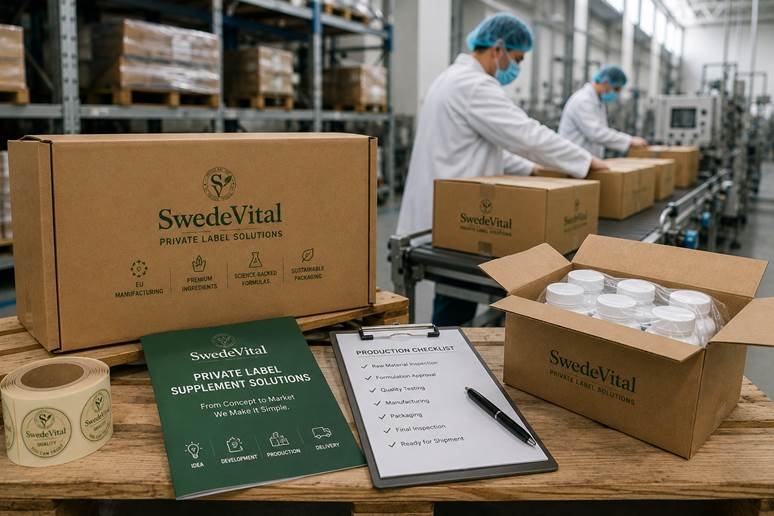
The moment a shopper passes the vitamin aisle, they are already judging trust by shelf placement, packaging clarity and perceived value. For retailers, building a health supplement section that feels credible isn’t about piling up brands; it’s about curating a narrative that aligns with consumer intent and regulatory expectations.
1. Start With Consumer‑Driven Segmentation
Modern shoppers segment supplements by purpose, not just by name. A quick audit of foot traffic shows three dominant clusters:
- Wellness Foundations – multivitamins, omega‑3s, probiotics.
- Performance & Recovery – protein powders, BCAAs, creatine.
- Niche Functionalities – adaptogens, brain boosters, skin support.
Place each cluster in a dedicated aisle or shelf block. This visual grouping reduces decision fatigue and signals expertise to the shopper.
2. Apply a “Trust‑Score” Filter
Retailers can’t rely on brand name alone; they need an objective metric. Build a trust‑score based on:
- Third‑party certification – look for NSF, USP, or EU GMP logos.
- Ingredient transparency – full disclosure of source and concentration.
- Consumer reviews – average rating above 4.0 on major platforms.
- Regulatory compliance – adherence to local health authority guidelines.
Rank products within each cluster by this score; feature the top tier prominently. This approach mirrors how financial advisors rank investment funds, giving shoppers a clear signal of quality.
3. Leverage Shelf‑Space Economics
Retail space is premium. Use the “80/20 rule”: 80 % of sales come from 20 % of SKUs. Identify that core 20 % by analyzing last year’s point‑of‑sale data and adjust shelf allocation accordingly.
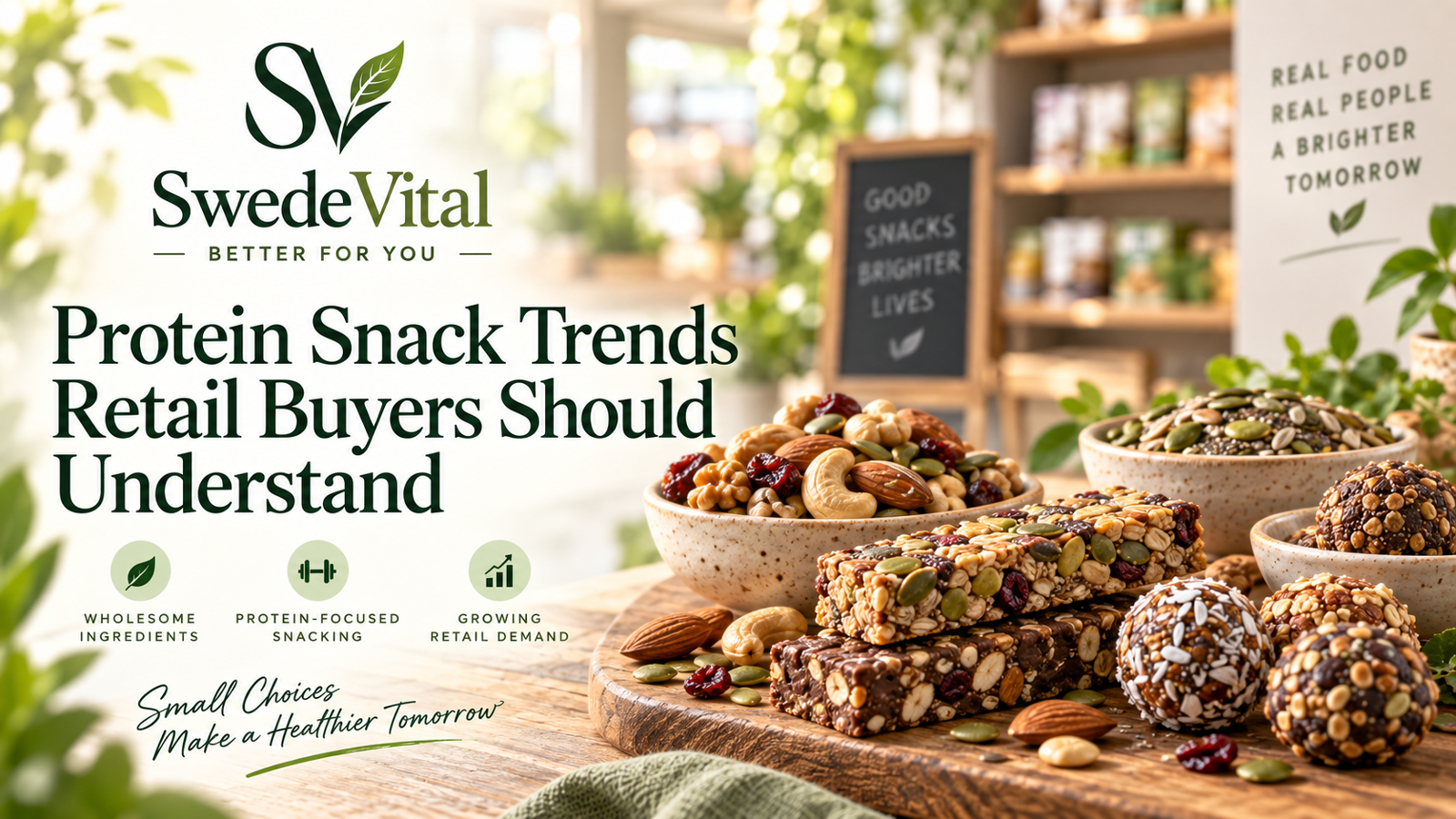
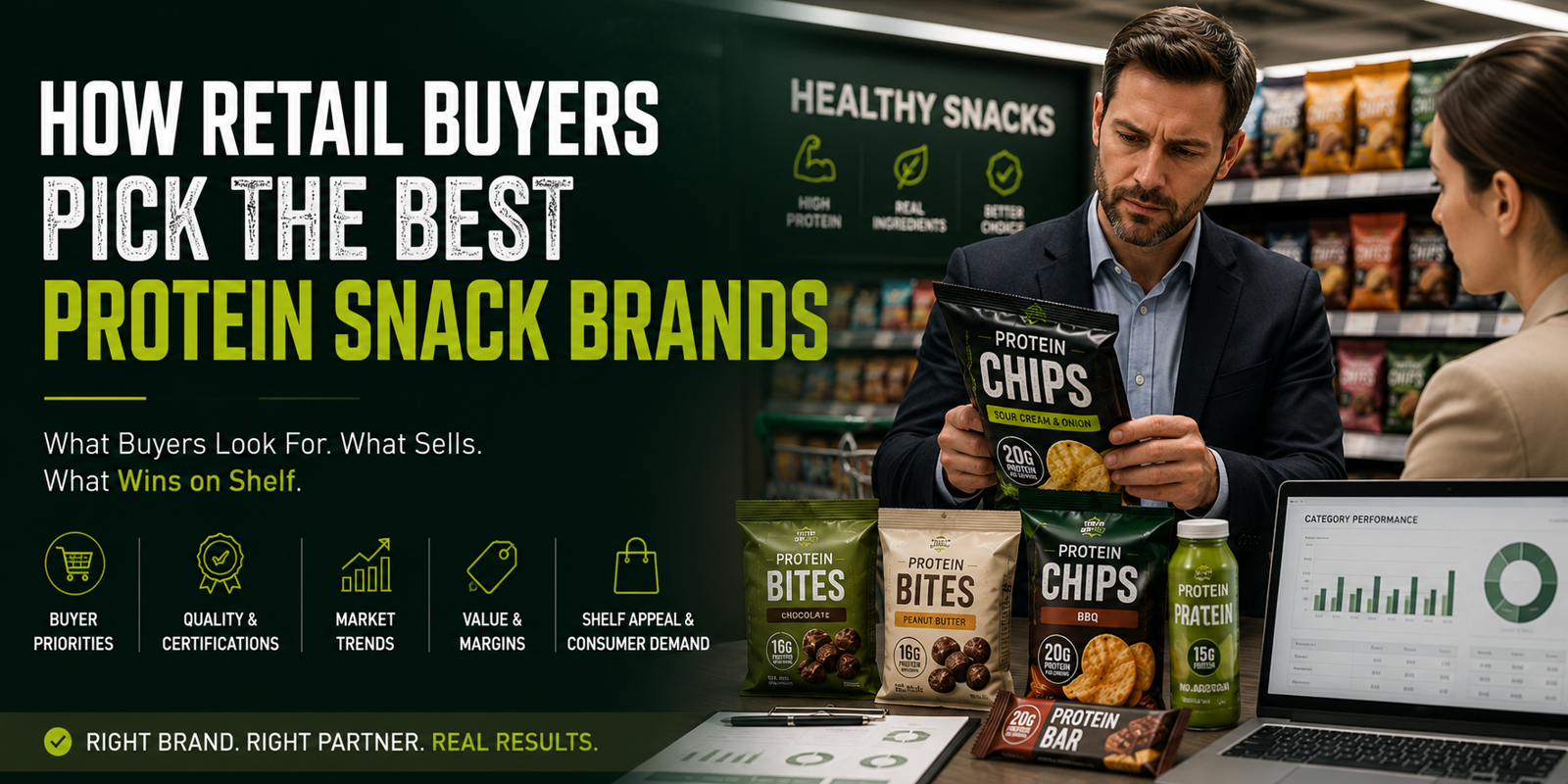
For example, a health‑supplement retailer might find that protein‑based snacks such as SwedeVital Protein Bites – Dates & Hazelnuts Coated with Coconut drive the highest margin sales in the performance aisle. Allocate double the shelf width to this SKU while trimming lower‑performing items.
4. Design a Narrative Flow
Consumers move from general to specific as they scan shelves. Create a logical progression:
- Foundation – start with multivitamins and basic nutrients.
- Performance – transition to protein snacks and recovery aids.
- Niche – finish with specialized supplements like adaptogens or skin‑focused products.
Use signage that tells a story: “Start Strong, Recover Smart, Thrive Naturally.” This storytelling aligns with the public health trend of prioritizing foundational habits such as sleep and nutrition (Healthy People 2030).
5. Integrate Digital Touchpoints
In-store QR codes linking to ingredient breakdowns or third‑party lab reports add a layer of transparency that tech‑savvy shoppers appreciate. Pair this with an in‑store app that recommends products based on the shopper’s health goals, mirroring the personalized approach seen in successful direct‑to‑consumer supplement brands.
6. Monitor and Iterate
Set up a quarterly review cycle:
- Sales velocity – track units sold per shelf inch.
- Margin impact – compare gross margin before and after shelf re‑design.
- Customer feedback – collect in‑store survey data on perceived trust.
Use these metrics to refine the trust‑score criteria, adjust shelf allocations, or introduce new product lines that fit emerging trends such as plant‑based proteins or postbiotics (see 12 Supplement Trends in 2026).
7. Case Example: Protein Snack Placement
A retailer applied the above framework to its protein snack aisle. By moving SwedeVital Protein Bites – Dates & Hazelnuts Coated with Coconut from a secondary shelf to the front of the performance cluster, sales increased by 18 % within two months, while overall margin improved due to higher unit price and lower shrinkage.
8. Final Thought
Building a health supplement shelf that people trust is less about quantity and more about intentional curation. By segmenting purposefully, scoring trust objectively, allocating space strategically, narrating the journey, adding digital transparency, and iterating on data, retailers can transform the vitamin aisle into a confidence‑building experience that drives repeat business.
For deeper dives into specific product categories, see our related articles: Organize by wellness need (e.g., gut, immunity, joint) rather than product format to help shoppers find solutions quickly and confidently. Effective packaging clearly states the wellness purpose, uses compliant labeling, and communicates trust within three seconds of viewing. It aligns products with specific customer search terms and needs, reducing confusion and increasing conversion rates by matching intent to inventory.Vanliga frågor
How should retail buyers organize a health supplement shelf?
What makes health supplement packaging effective for retail?
Why is category mapping important for supplement buyers?
Fler artiklar som denna — direkt i inkorgen