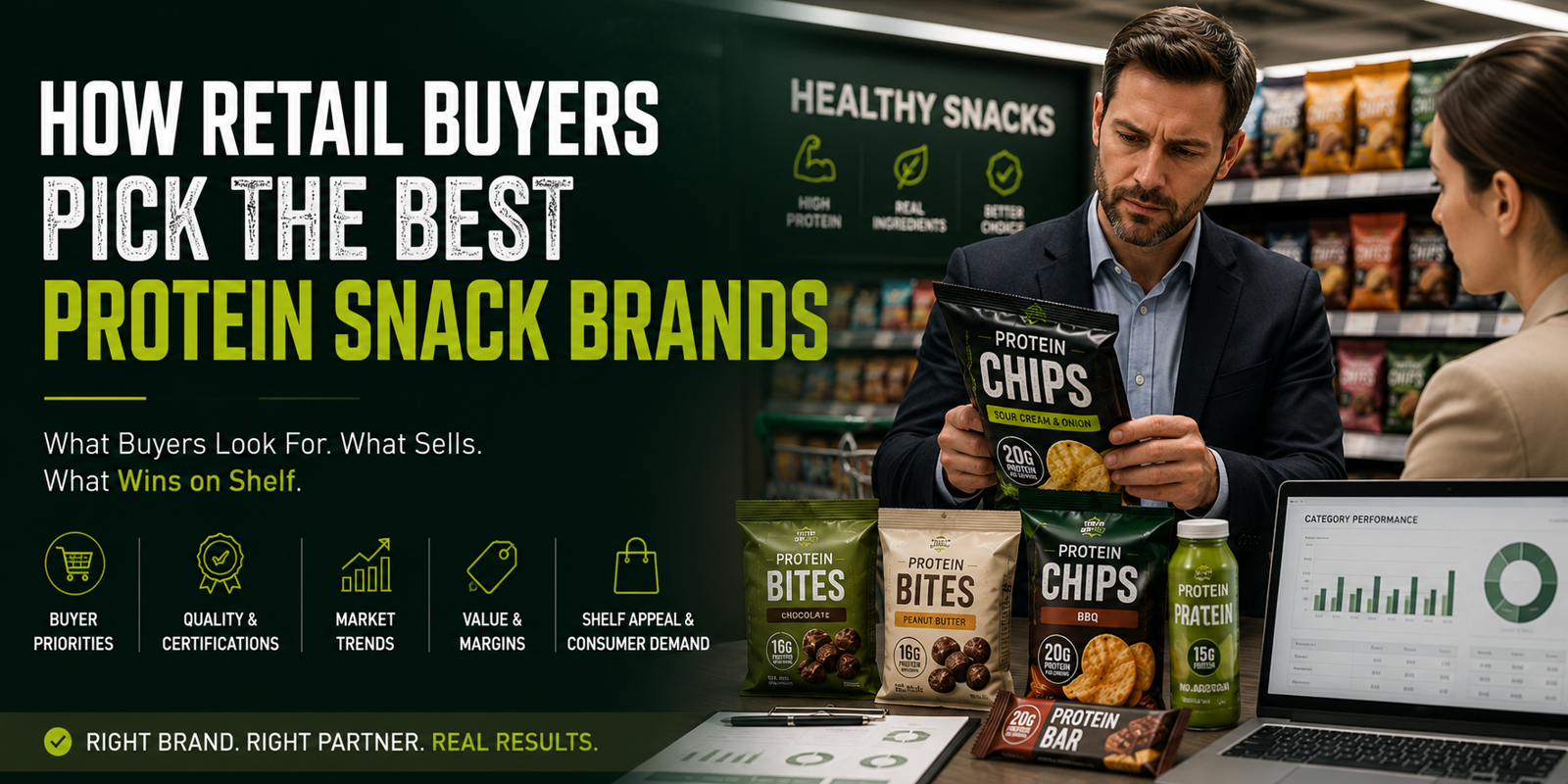
How Retail Buyers Pick the Best Protein Snack Brands
Kort sammanfattat
Retail buyers select protein snack brands by assessing nutrition transparency, product variety, appealing packaging, reliable European production, competitive pricing, multi‑certifications, and robust marketing support.
TL;DR
- Retail buyers choose protein snack brands based on nutrition clarity, variety, packaging appeal, supply chain reliability, pricing, certifications, and marketing collaboration.
Retail Buyers’ Decision Blueprint for Protein Snack Brands
When a grocery chain or health‑store manager faces dozens of protein snack options, the choice is rarely about taste alone. It hinges on a structured evaluation that balances nutrition, shelf‑life, cost, and consumer trends. Below is a step‑by‑step framework retail buyers can apply to sift through the market and lock in the best protein snack brands for their shelves.
1. Define the Target Consumer Profile
- Demographics: Age range, income level, fitness habits.
- Behavioral drivers: Convenience, health consciousness, flavor adventurousness.
- Purchase triggers: Seasonal promotions, in‑store sampling, online reviews.
Example: A mid‑town urban supermarket serving a 25–35 year‑old fitness crowd will prioritize high‑protein, low‑sugar options that can be consumed on the go.
2. Set Nutritional Benchmarks
- Protein content: Minimum 10 g per serving for a “protein snack” label.
- Fiber & sugar limits: At least 3 g fiber and ≤5 g added sugars to align with the Best Protein Snacks (2026) review.
- Ingredient transparency: No artificial sweeteners or excessive additives.
SwedeVital’s Protein Bites – Dates & Hazelnuts Coated with Coconut deliver 12 g protein, 4 g fiber, and only 3 g added sugar per 150 g pack, meeting these criteria.
3. Evaluate Shelf‑Life and Packaging Integrity
- Check for moisture control—protein snacks often contain nuts or dried fruit that can spoil if not sealed properly.
- Assess packaging size: 50 g chips vs 150 g bites; smaller packs may drive impulse buys but increase unit cost.
- Verify compliance with EU food safety regulations (e.g., HACCP, ISO 22000).
The Lentil Chips – Smoked Beef variant uses a 50 g pouch that maintains crispness for up to six months when stored at room temperature.
4. Analyze Market Positioning and Brand Equity
- Brand recognition: Look for names that appear in top‑ranked lists, such as Pure Protein Cheddar Cheesy Crackers or Quest Nutrition.
- Consumer sentiment: Use review scores and social media buzz; a 4.3‑star rating on ProteinWise indicates strong acceptance.
- Price elasticity: Compare unit price to competitors—SwedeVital’s 150 g bites retail at $2.50, competitive with similar protein bars.
5. Conduct a Cost‑Benefit Analysis
Calculate the cost per gram of protein and factor in logistics (weight, volume). A higher upfront price may be justified if the product’s shelf‑life reduces shrinkage.
| Product | Price | Protein/Gram |
|---|---|---|
| SwedeVital Protein Bites – Dates & Hazelnuts | $2.50 | 0.08 g/g |
| Pure Protein Cheddar Crackers | $3.00 | 0.07 g/g |
The SwedeVital option offers a better protein‑to‑cost ratio.
6. Pilot and Gather In‑Store Feedback
- Run a limited launch in select stores.
- Track sales velocity, return rates, and customer comments.
- Use point‑of‑sale data to refine assortment—perhaps replace the Sour Cream & Onion chip if it underperforms.
7. Scale with ConfidenceVanliga frågor
What is the most important factor for retail buyers when choosing protein snack brands?
Nutrition transparency and clear health claims are top priorities, as they drive consumer trust and repeat purchases.
How does packaging design influence buying decisions?
Eye‑catching colors, clear nutrition icons, and sustainable materials can boost impulse buys; 68% of shoppers choose based on packaging alone.
Why is European production a key consideration?
It ensures compliance with EU food safety standards, consistent quality, and reliable lead times, reducing stockouts for retailers.
What role do certifications play in brand selection?
Certifications like vegan, halal, kosher, and organic expand shelf opportunities across niche markets and meet regulatory requirements.
How can private‑label programs benefit retailers?
They allow higher markups and brand control while maintaining quality, potentially increasing gross margins by up to 20%.
NyhetsbrevFler artiklar som denna — direkt i inkorgen
Vanliga frågor
What is the most important factor for retail buyers when choosing protein snack brands?
Nutrition transparency and clear health claims are top priorities, as they drive consumer trust and repeat purchases.
How does packaging design influence buying decisions?
Eye‑catching colors, clear nutrition icons, and sustainable materials can boost impulse buys; 68% of shoppers choose based on packaging alone.
Why is European production a key consideration?
It ensures compliance with EU food safety standards, consistent quality, and reliable lead times, reducing stockouts for retailers.
What role do certifications play in brand selection?
Certifications like vegan, halal, kosher, and organic expand shelf opportunities across niche markets and meet regulatory requirements.
How can private‑label programs benefit retailers?
They allow higher markups and brand control while maintaining quality, potentially increasing gross margins by up to 20%.