Private Label Protein Chips Guide
Kort sammanfattat
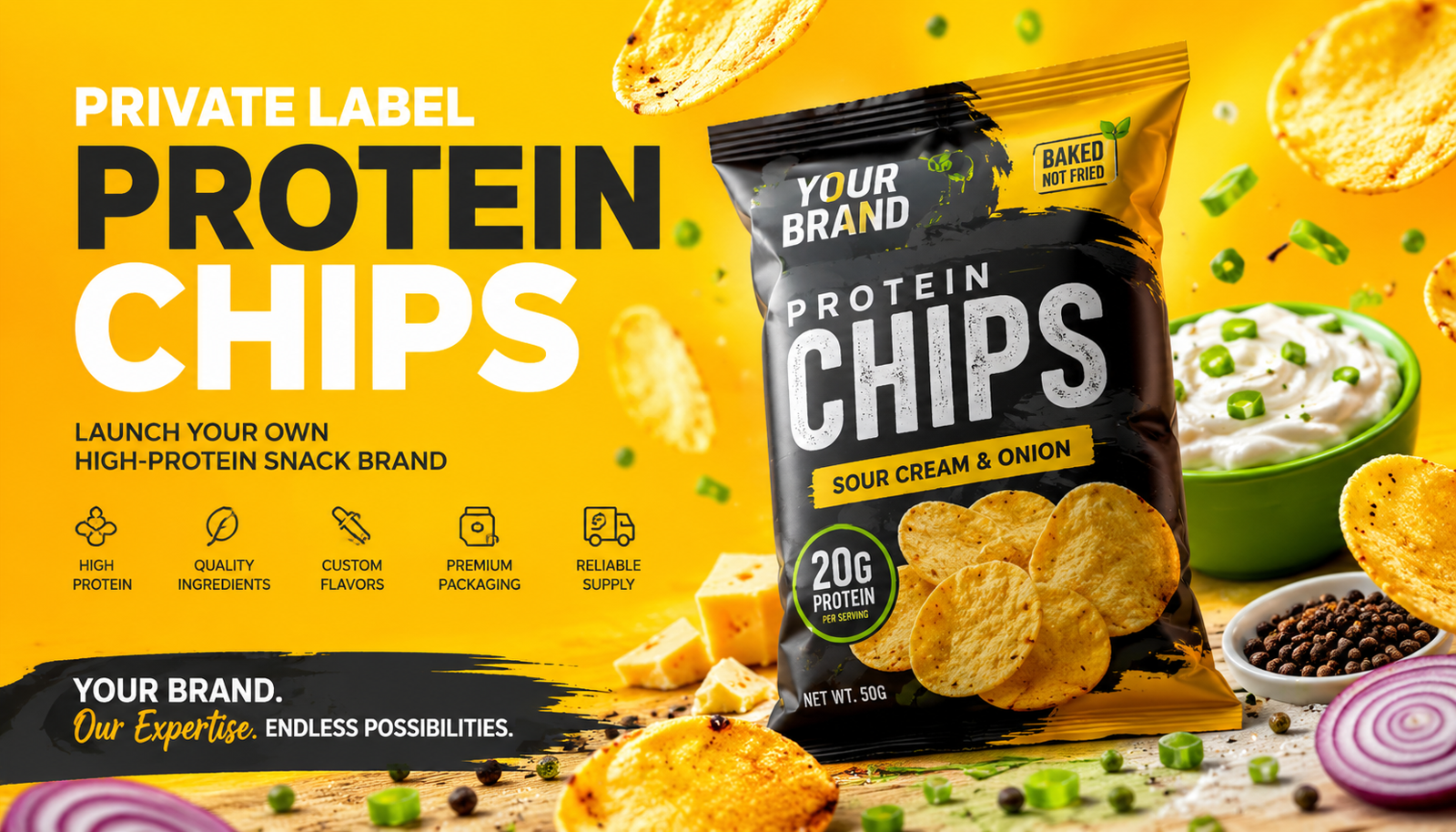
Private label protein chips let retailers offer nutritious, flavor‑rich snacks without building a brand from scratch—by collaborating with European manufacturers, ensuring clean labels, and scaling through efficient wholesale distribution.
TL;DR
- Partnering with European snack makers enables retailers to launch branded high‑protein chips that satisfy health‑conscious consumers and scale via wholesale channels.
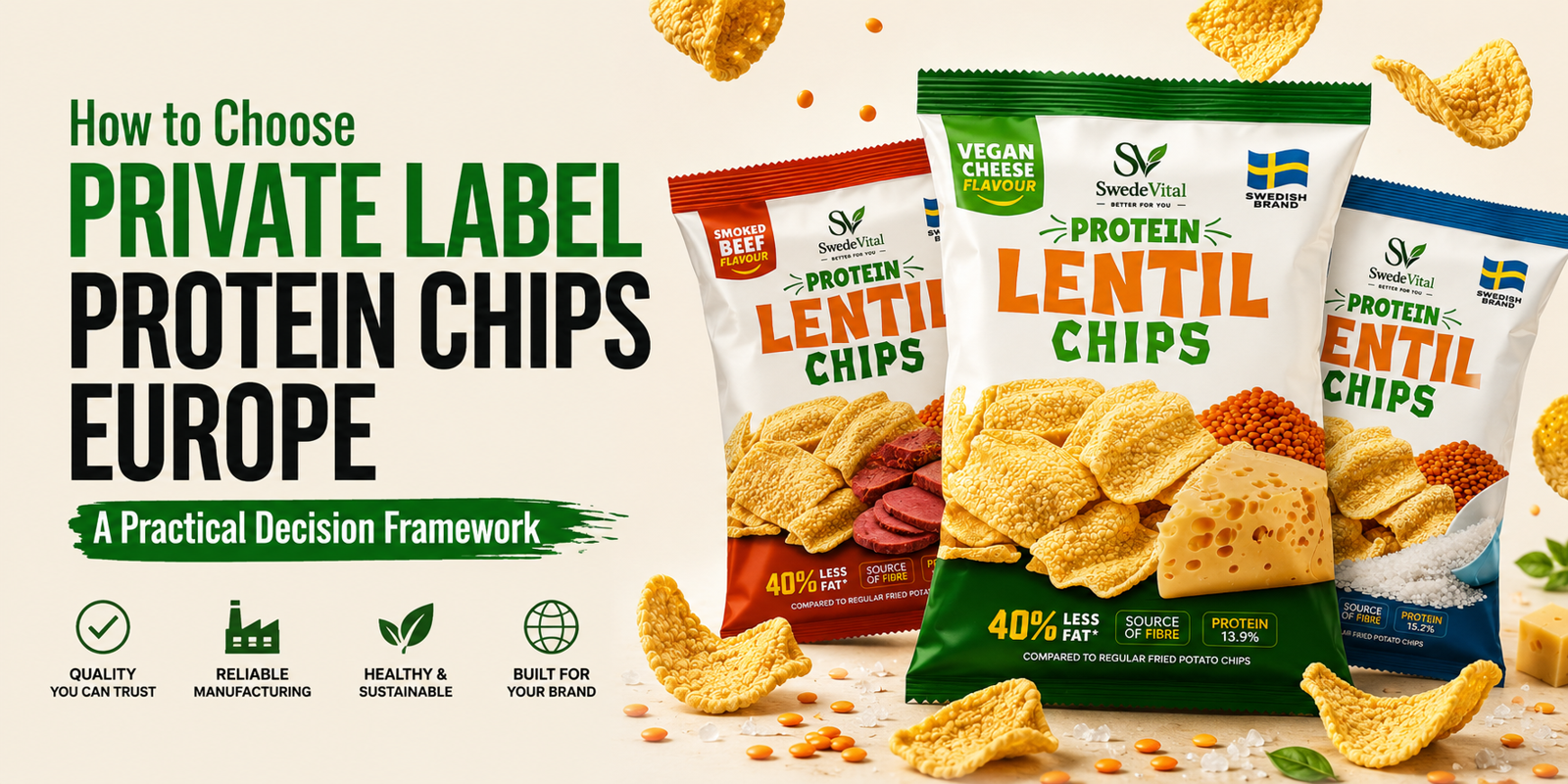
Choosing the Right Private‑Label Protein Chips: A Practical Decision Framework
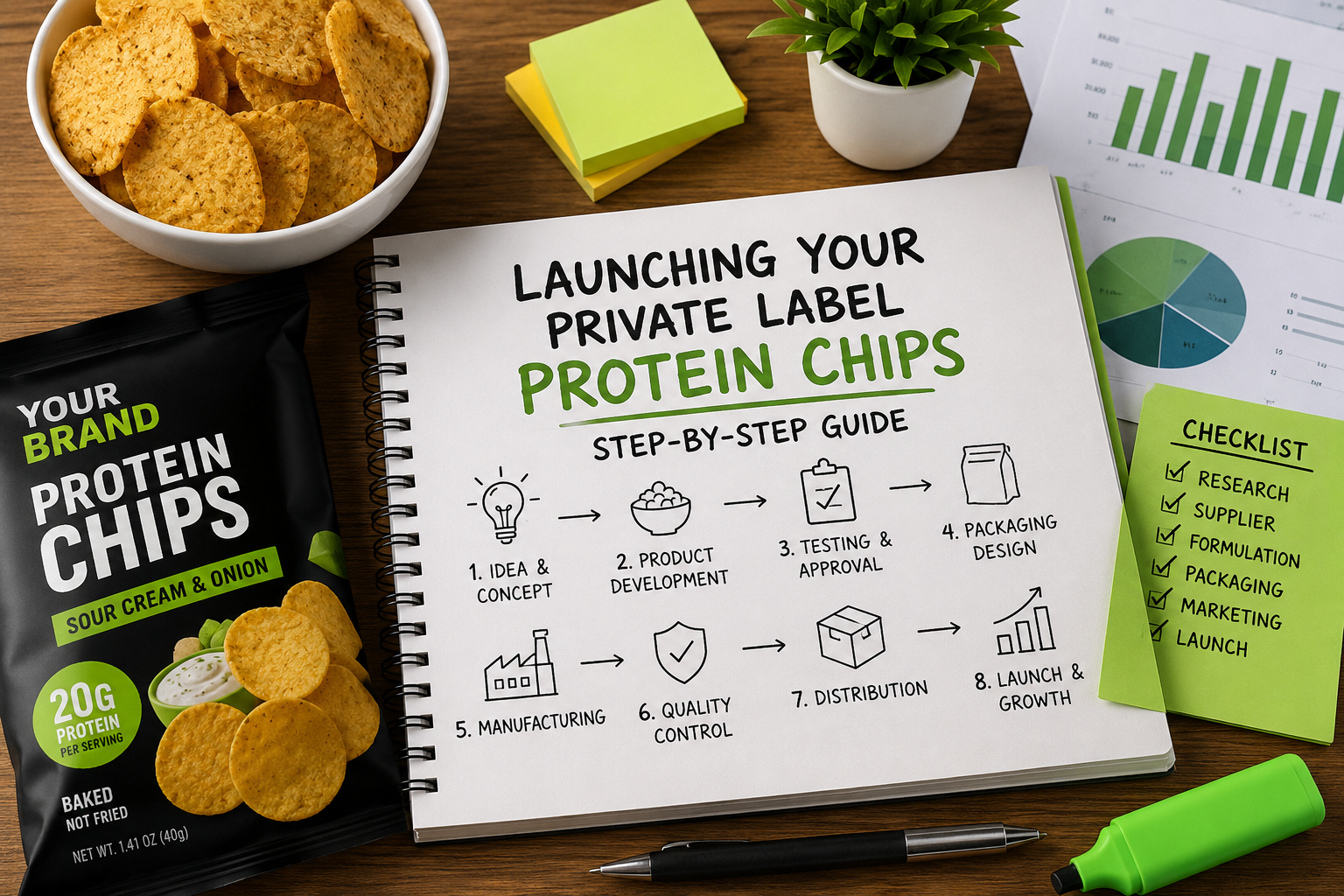
The protein‑chip market is expanding faster than traditional potato chips, yet many brands still struggle to pick a formulation that balances taste, nutrition, and cost. Below is a step‑by‑step framework that turns those variables into concrete choices.
1. Define Your Core Value Proposition
Ask three questions before you even look at suppliers:
- Target consumer: Are they fitness enthusiasts, busy professionals, or health‑conscious snackers?
- Nutritional goal: Do you need ≥15 g protein per 30 g serving, <5 g net carbs, or a specific amino‑acid profile?
- Price point: What retail price can your market bear while still delivering margin?
Answering these sets the parameters for all downstream decisions.
2. Protein Source Matrix
The protein blend determines flavor, texture, and cost. Common options include whey isolate, milk protein concentrate, soy protein isolate, pea protein, and a hybrid of caseinates.
- Whey/Caseinate Blend: Offers complete amino acids and a creamy mouthfeel. Ideal for high‑protein, low‑carb chips. Example: Legendary Foods’ blend delivers 18 g protein per bag with minimal net carbs.
- Pea Protein: Plant‑based, allergen‑friendly, but can produce a grittier texture unless combined with starches.
- Hybrid Caseinates (sodium & calcium): Provide chewiness and help bind the chip matrix. Useful when you want a “chewy” snack rather than crisp.
Trade‑off: Whey blends cost more but deliver superior taste; pea blends are cheaper but may need additional binders.
3. Texture & Baking Method
Texture is the silent brand ambassador. Choose between:
- Baked: Lower fat, crispier bite. Requires a stable protein matrix to prevent collapse.
- Fried (oil‑free or low‑fat): Richer flavor but higher calorie count.
- Microwave‑ready: Convenience for on‑the‑go consumers; demands a moisture‑retaining formulation.
Edge case: If you target athletes who need quick digestion, baked chips with a high protein-to-carb ratio are preferable.
4. Flavor Architecture and Regulatory Constraints
Flavor must complement the protein base without masking it. Common flavor families:
- Savoury (sea salt, smoked beef, sour cream & onion)
- Sweet (dates & hazelnuts, dates & peanuts brownie)
Regulatory note: In the EU, any added sweetener must be listed in the ingredient declaration. Avoid artificial colors unless your target market explicitly demands them.
5. Cost‑to‑Profit Analysis
Create a simple spreadsheet:
- Ingredient cost per kg
- Manufacturing overhead (baking, packaging)
- Logistics and distribution margin
- Retail price target
Subtract total cost from retail price to estimate gross margin. Aim for at least 30 % margin on a premium protein chip.
6. Supplier Evaluation Checklist
- Can they provide a protein‑rich, low‑carb formulation?
- Do they offer batch testing for texture and flavor consistency?
- What is their minimum order quantity (MOQ), and does it align with your launch plan?
- Are they compliant with EU food safety standards?
7. Pilot Testing and Consumer Feedback Loop
Run a small batch (50–100 g) through focus groups or online panels. Collect data on:
- Taste score (1‑10)
- Texture rating
- Satiety perception
- Likelihood to repurchase
Use this feedback to tweak protein ratios or flavor intensity before scaling.
8. Scaling Strategy and Shelf Life Considerations
Protein chips are sensitive to moisture migration
Vanliga frågor
What makes private label protein chips attractive to retailers?
They offer high‑protein, clean‑label snacks that meet consumer demand for nutrition and flavor without the cost of building a brand.
Which certifications should I look for in European manufacturers?
Key certifications include GMP, ISO 22000, and allergen management to ensure food safety and regulatory compliance.
How can I differentiate my protein chip line?
Use bold packaging that highlights protein content, obtain niche certifications (vegan, halal, kosher), and develop unique flavor profiles with the manufacturer’s R&D team.
What are the main logistics considerations for distribution?
Ensure supply‑chain visibility, consider cold‑chain needs for probiotic formulations, and offer flexible packaging options like single‑serve and bulk packs.