
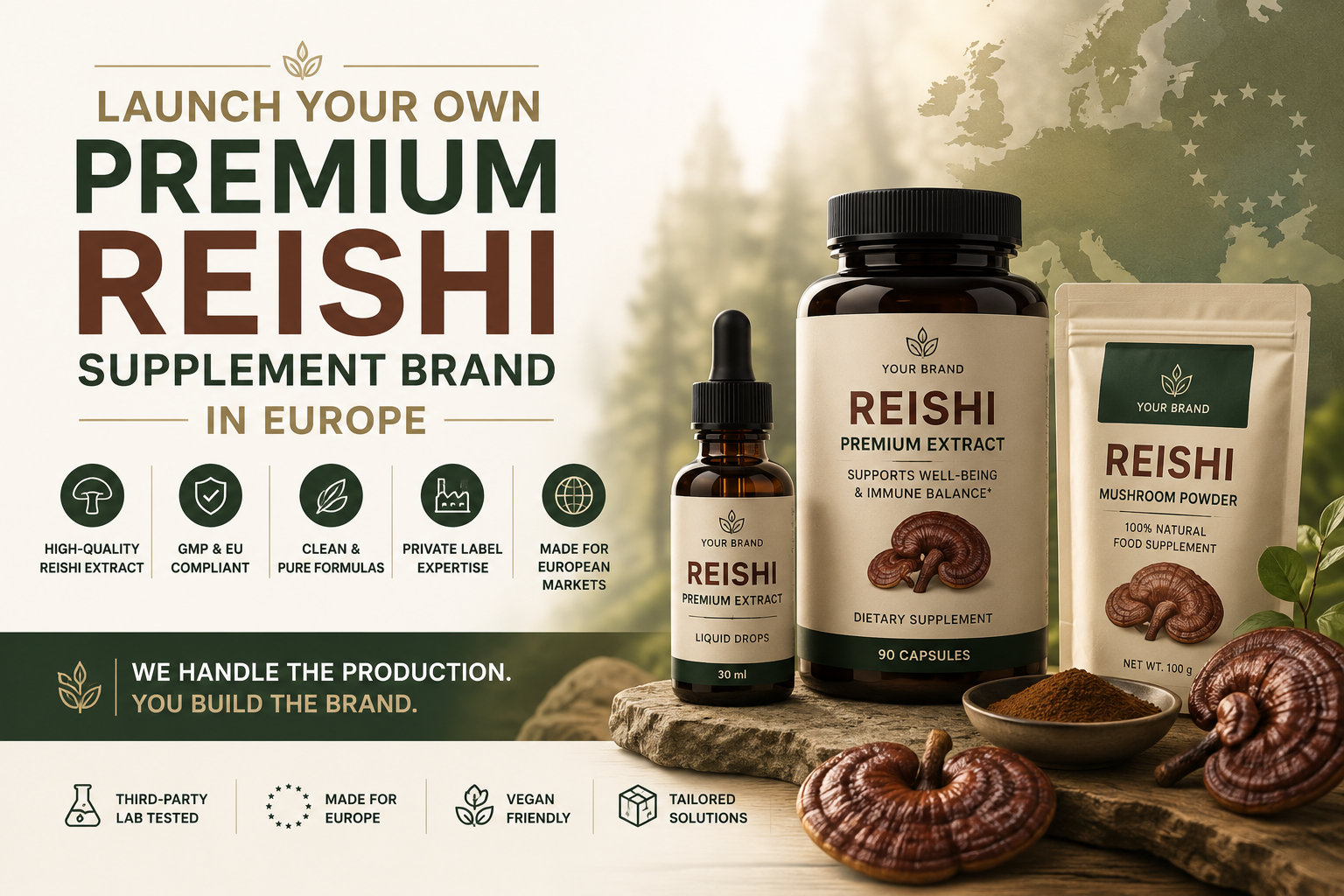
Launch Your Own Premium Reishi Supplement Brand in Europe: Manufacturing, Quality & Retail Opportunities
Kort sammanfattat
By partnering with SwedeVital, you can launch a premium private label reishi supplement in Europe using their GMP‑certified production, rigorous quality controls, customizable eco‑friendly packaging, and extensive distribution network to reach health stores, pharmacies, e‑commerce platforms, and direct‑to‑consumer channels.
TL;DR
- SwedeVital enables entrepreneurs to launch high‑quality private label reishi supplements in Europe with GMP certification, robust QA, customizable packaging, and wide retail distribution.
Launch Your Own Premium Reishi Supplement Brand in Europe: A Decision‑First Blueprint
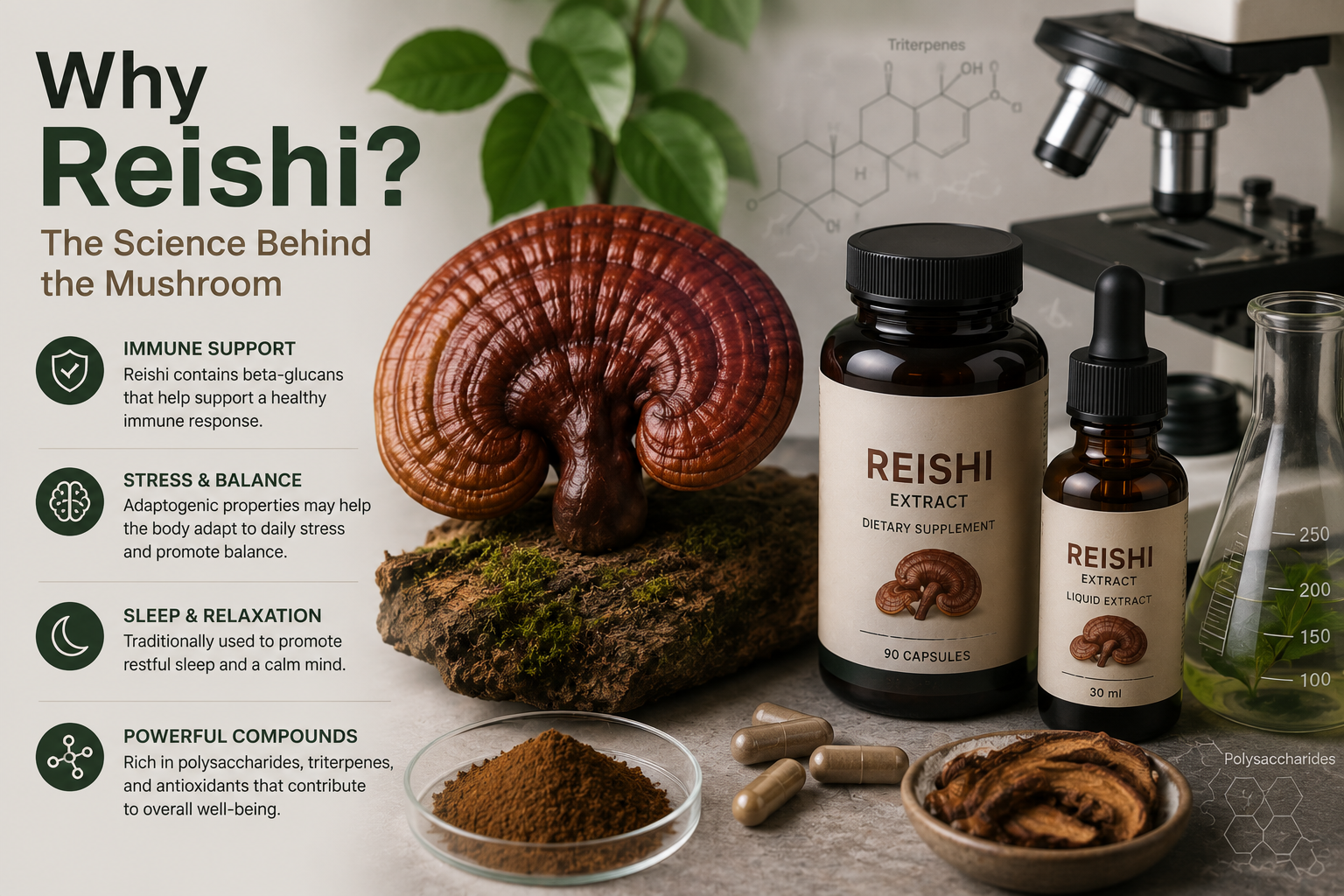
The first step to a successful private‑label launch is asking the right questions, not just picking a supplier or a flavor. In the crowded functional‑mushroom space, reishi stands out for its immune‑boosting profile and premium price point, but it also demands rigorous quality control and clear regulatory compliance. Below is a practical framework that turns those questions into concrete actions.
1. Define Your Brand Promise Early
Reishi is marketed as an adaptogen, anti‑inflammatory agent, and longevity booster. Decide which benefit will anchor your brand narrative:
- Immune support – focus on high‑dose extracts (≥ 500 mg per capsule).
- Stress resilience – highlight polysaccharide content and standardized ganoderic acids.
- Sleep quality – pair reishi with melatonin or magnesium in a bedtime formula.
Your choice dictates formulation, packaging size, and target customer segment. A clear promise also guides your marketing copy and helps differentiate you from generic “mushroom” blends.
2. Choose the Right Manufacturing Partner
- Quality Standards – Look for manufacturers that offer GMP certification and third‑party lab testing. The Functional Mushrooms EU portal lists suppliers with no setup fees, making it easier to compare.
- Product Formats – Decide between capsules, powders, or gummies. Capsules are the most common for reishi and simplify dosage control.
- Customization Flexibility – Some partners provide ready‑to‑launch formulations; others allow you to tweak extract ratios. For a premium brand, a custom blend often yields higher margins.
- Supply Chain Transparency – Verify that the raw material comes from 100 % fruiting bodies and not mycelium or contaminated substrates.
Examples of reputable European white‑label manufacturers include Mighty Fungi (formerly Mighti Me), which offers reishi in capsules and powders, and NutriKal, known for consistent quality across batches.
3. Validate the Market Demand with Trend Radar
Before committing to a batch size, use trend‑tracking tools or market reports to confirm that reishi demand is rising in your target regions. The Future Market Insights report projects a steady CAGR for mushroom supplements through 2036, with reishi topping the list of high‑margin products.
Key indicators to watch:
- Search volume spikes around health events (e.g., flu season).
- Social media mentions in wellness communities.
- Retail shelf space allocated to premium mushroom brands.
4. Build a Regulatory‑Ready Label
In the EU, dietary supplements must comply with Regulation (EC) No 1924/2006 and any national annexes. For reishi:
- Ingredient Declaration – List the extract source, percentage of ganoderic acids, and total polysaccharides.
- Health Claims – Avoid unsubstantiated claims; use approved wording such as “supports immune function” if supported by EU‑approved studies.
- Safety Information – Include a warning for pregnant or nursing women and advise consulting a healthcare professional before use.
A well‑crafted label not only satisfies regulators but also builds consumer trust. Consider hiring a regulatory consultant if you’re new to the EU supplement landscape.
5. Decide on Distribution Channels Early
The distribution model shapes your pricing and margin strategy:
- E‑commerce – Direct-to-consumer allows higher margins but requires robust digital marketing.
- Retail (pharmacies, health stores) – Requires bulk orders and compliance with shelf‑space standards.
- Wholesale to distributors – Leverages existing networks but dilutes brand control.
Test a small batch in one channel first. Use the sales data to refine your product positioning before scaling.
6. Create a Launch Timeline with Milestones
- Month 1–2: Brand & Formulation Finalization – Lock in the promise, partner, and label design.
- Month 3: Prototype Production & Lab Testing – Receive first samples, run QC tests, adjust if needed.
- Month 4: Regulatory Filing & Packaging Approval
Vanliga frågor
What quality standards does SwedeVital follow for reishi supplements?
SwedeVital follows EU GMP, ISO 22000, and optional organic certifications, with rigorous raw material sourcing, dual‑step water‑ethanol extraction, potency testing, and full certificates of analysis for each batch.
Which format is better for busy professionals: liquid or capsule?
Busy professionals often prefer liquid tinctures for rapid absorption and versatility in drinks, while capsules are favored by wellness enthusiasts for convenience and precise dosing.
How does SwedeVital support packaging customization?
SwedeVital offers eco‑friendly glass bottles with tamper‑evident caps, high‑density PET capsules with clear windows, premium matte finish boxes, and the ability to incorporate brand colors, logos, and storytelling copy.
What retail channels are available for private label reishi supplements in Europe?
Channels include health and wellness stores (e.g., Life & Wellbeing), pharmacies, Amazon EU and specialized wellness e‑commerce sites, and direct‑to‑consumer subscription models.
Can SwedeVital scale production to meet growing demand?
Yes, SwedeVital’s facilities can scale up to 10,000 units per month while maintaining quality, allowing brands to expand packaging lines and launch new variants as sales grow.
Läs vidare
 Private Label
How to Choose Private Label Protein Chips Europe: A Practical Decision Framework
5 min läsning Private Label
The Complete Guide to Private Label Functional Mushrooms in Europe
5 min läsning Private Label
Launch Your Own Premium Lion’s Mane Brand in Europe: A Private Label Playbook
5 min läsningNyhetsbrevFler artiklar som denna — direkt i inkorgen