
Private Label Products Wholesale: How Retailers Build Own-Brand Ranges Without Guessing Their Way Onto the Shelf
Kort sammanfattat
Private label products wholesale involve third-party manufacturers producing goods sold under a retailer's brand. Success requires selecting category-fit items with strong demand, ensuring EU-compliant labeling, designing retail-ready packaging, and partnering with certified manufacturers who support liability planning and reliable production for wellness and food sectors.
TL;DR
- Successful private label strategies prioritize shelf appeal, regulatory compliance, and manufacturer partnerships over simple logo placement.
Private Label Products Wholesale: A Decision‑Making Blueprint for Retailers
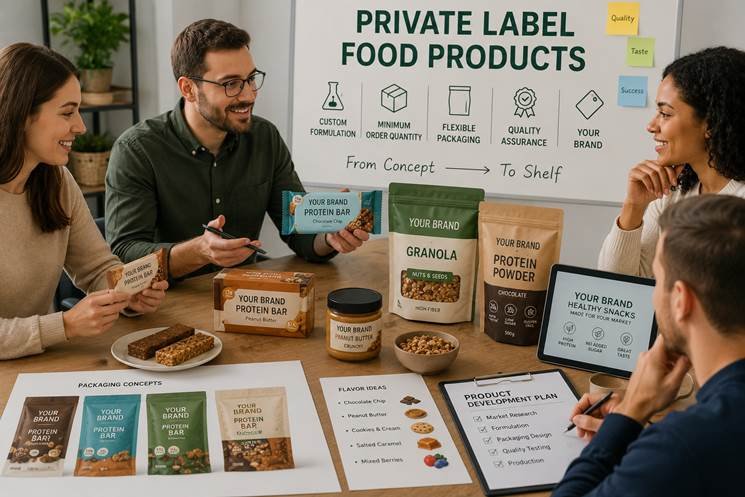
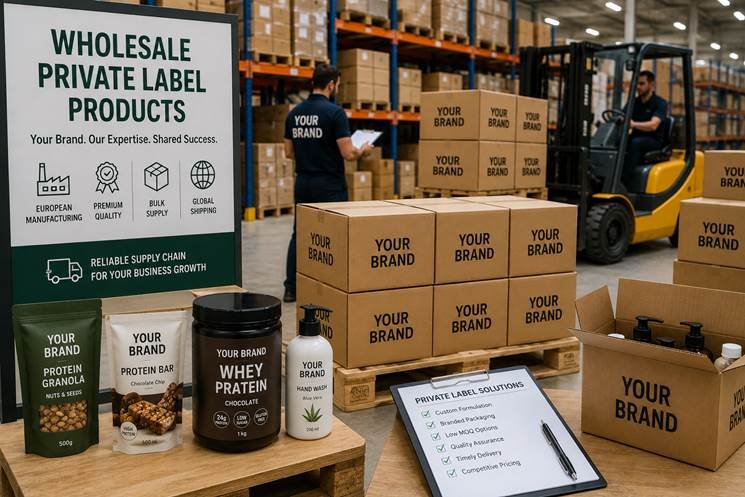
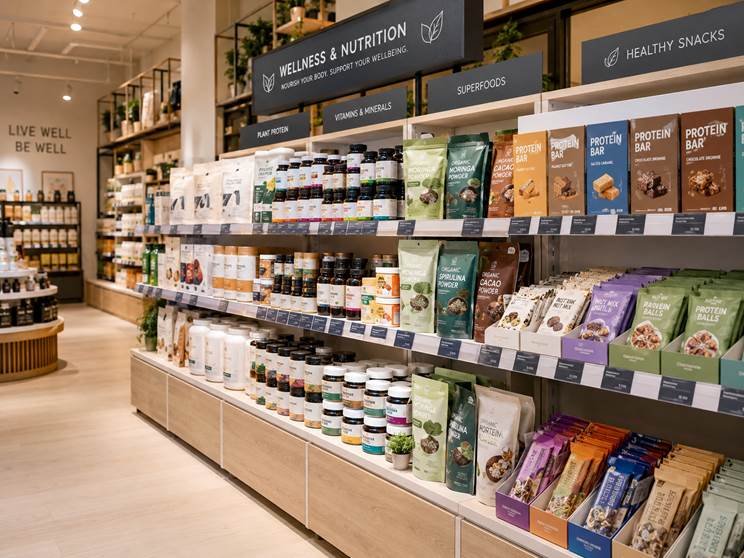
Retailers who want to own shelf space without the risk of guessing what consumers will buy need a systematic approach. The private label market is no longer a “one‑size‑fits‑all” proposition; it demands data, clear criteria, and a partnership model that aligns incentives between retailer and manufacturer.
1. Define the Value Proposition Early
Before reaching out to a supplier, answer these three questions:
- What gap in your current assortment do you want to fill? Is it a missing protein snack line, a niche superfood, or an allergen‑free alternative?
- Which consumer segment drives the most margin for you? Millennials seeking clean labels, health‑conscious parents, or premium shoppers all have different expectations.
- What brand story will resonate? A narrative around sustainability, local sourcing, or scientific backing can differentiate your private label from generic competitors.
These answers shape the product brief you send to manufacturers and help filter out suppliers that cannot meet your strategic goals.
2. Evaluate Supplier Capabilities with a Structured Matrix
A robust matrix lets you compare potential partners on objective criteria:
| Criterion | Weight |
|---|---|
| Number of clean formulations available (e.g., >900) | 20% |
| Customization depth (formulation, packaging, branding) | 25% |
| Minimum order quantity and lead time | 15% |
| Compliance with relevant regulations (e.g., EU food safety) | 15% |
| Quality assurance processes (ISO, third‑party testing) | 10% |
| Pricing transparency and margin potential | 15% |
Score each supplier on a 1–5 scale for every criterion, multiply by the weight, and sum to get an overall score. This quantitative approach removes bias and highlights suppliers that truly align with your needs.
3. Pilot Testing: The “Guess‑Free” Experiment
Once you’ve shortlisted a supplier, launch a small pilot batch in one or two stores before committing to full rollout:
- Batch size: 500–1,000 units per SKU.
- Metrics: Sales velocity, return rate, customer feedback (via QR code surveys), and shelf placement impact.
- Duration: 4–6 weeks to capture seasonal variations.
This controlled experiment lets you validate demand without over‑investing. If the pilot meets or exceeds your predefined success thresholds—such as a minimum of 30% sales lift compared to a comparable national brand—you can scale confidently.
4. Leverage Data for Continuous Improvement
After launch, use point‑of‑sale (POS) data and customer insights to refine the product line:
- SKU rationalization: Drop underperforming variants and focus on high‑margin flavors.
- Packaging optimization: Adjust size or design based on consumer preference trends.
- Promotional timing: Align launches with health awareness months or seasonal peaks.
Regularly revisit the supplier matrix to ensure they continue meeting your evolving standards and market demands.
5. Case in Point: A Hypothetical Retailer’s Journey
A mid‑size grocery chain wanted a protein snack line that matched its “clean label” promise. Using the matrix, it selected a European manufacturer with 900+ clean formulations and strong customization capabilities. The pilot launched two flavors—Dates & Hazelnuts Coated with Coconut and Smoked Beef Lentil Chips—in 20 stores. Within six weeks, sales exceeded projections by 35%, and customer surveys highlighted the product’s taste and nutritional profile. The retailer then expanded to 200 stores, negotiated a lower MOQ, and introduced a third flavor based on pilot feedback.
6. Bottom Line: Decision Framework for Private Label Success
Building an own‑brand range without guessing hinges on:
- Clear strategic intent that guides every supplier interaction.
- Data‑driven supplier evaluation to eliminate blind spots.
- Controlled pilot testing to validate demand before scale.
- Ongoing performance monitoring for continuous refinement.
By following this structured approach, retailers can transform the private label journey from a gamble into a predictable growth engine.
Further Reading
Vanliga frågor
What are private label products wholesale?
They are goods manufactured by a third party but sold under a retailer's or distributor's own brand name, allowing the buyer to control positioning and packaging.
How do I choose the right private label category?
Filter categories through your existing customer demand; focus on items that make sense for your current audience rather than chasing every available niche.
Why is retail-ready packaging important for private label?
Proper packaging ensures the product looks confident and professional on the shelf, directly influencing buyer decisions and repeat purchase rates.
Läs vidare
 Private Label
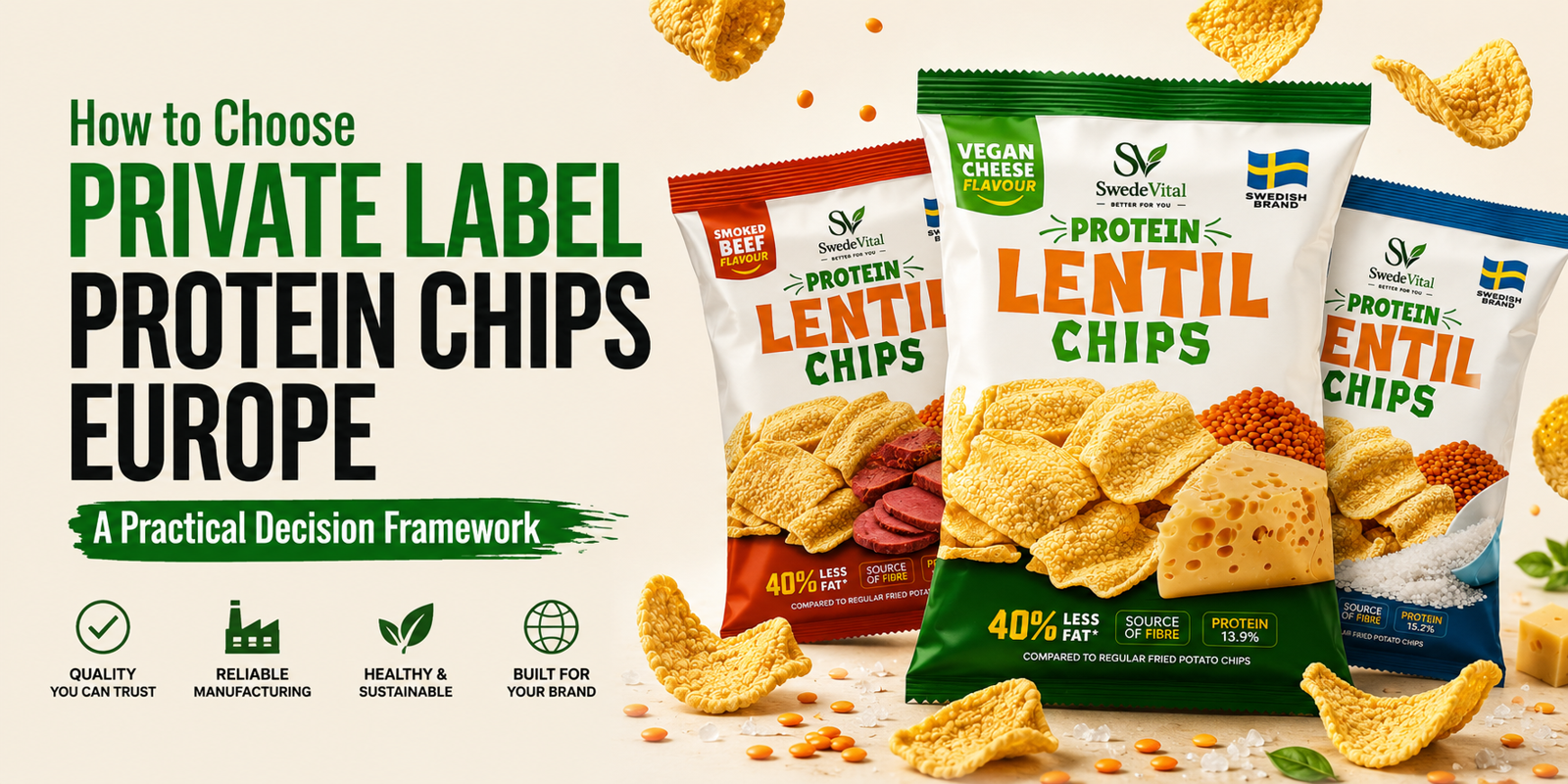
How to Choose Private Label Protein Chips Europe: A Practical Decision Framework
5 min läsning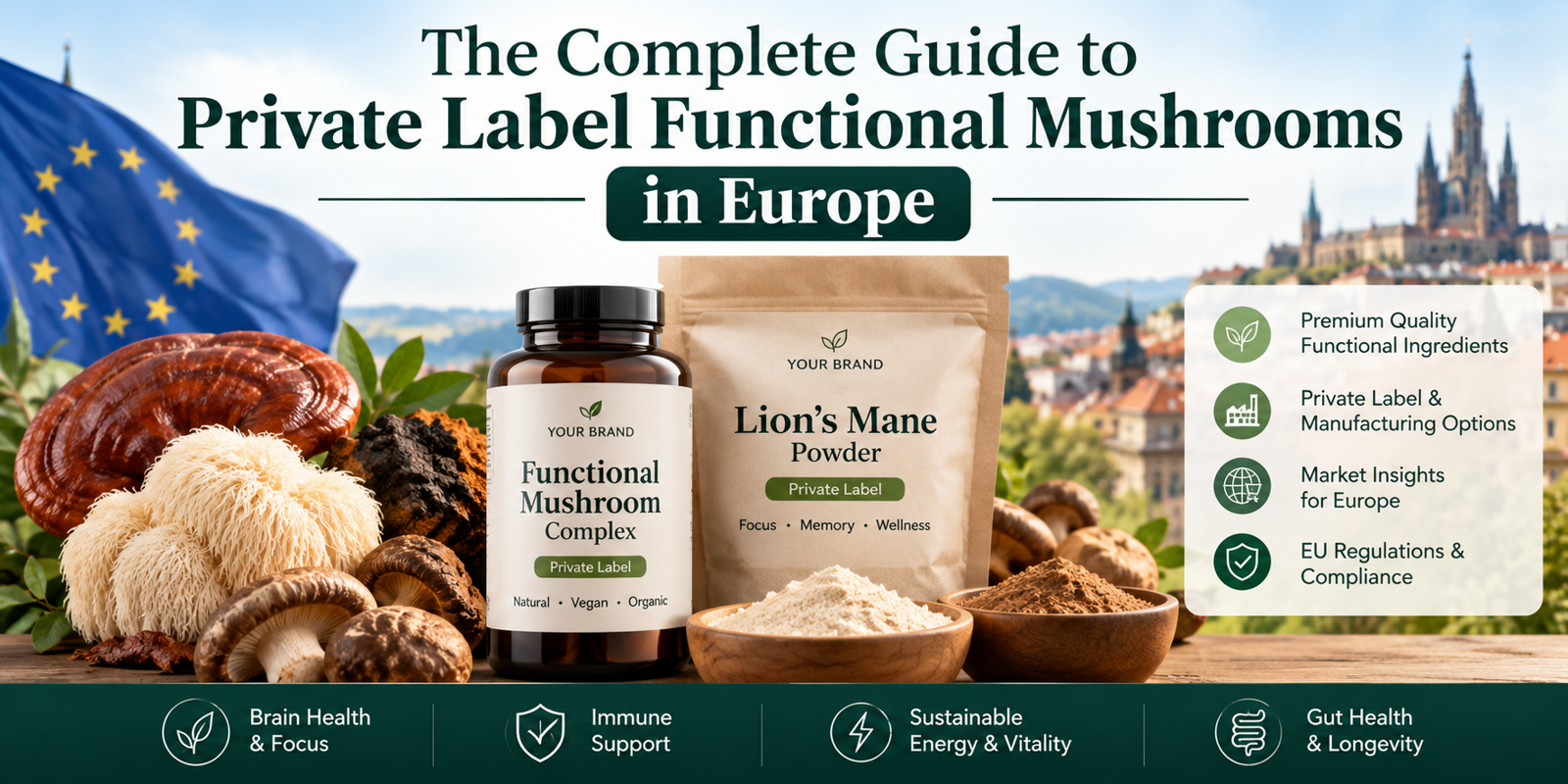 Private Label
The Complete Guide to Private Label Functional Mushrooms in Europe
5 min läsning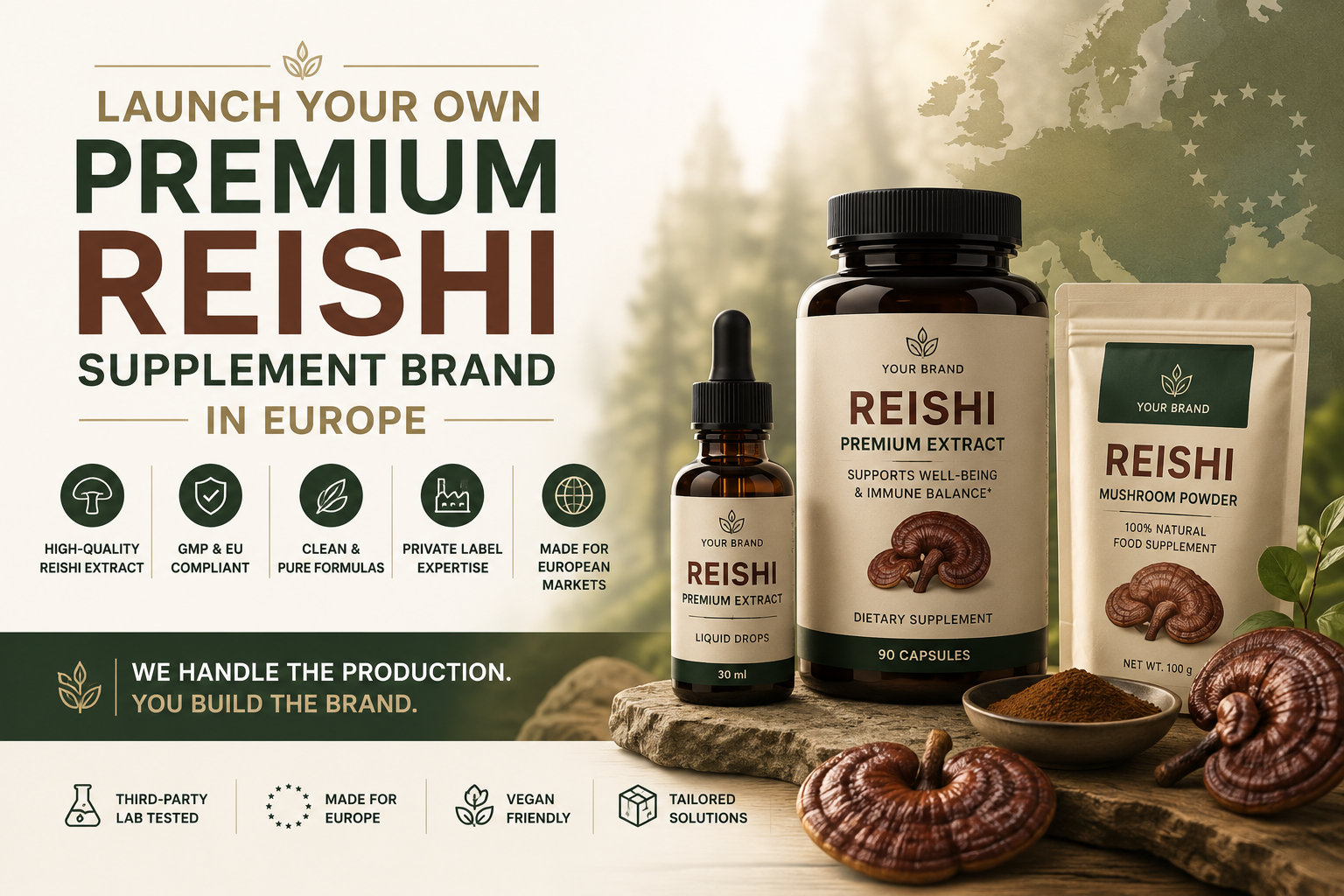 Private Label
Launch Your Own Premium Reishi Supplement Brand in Europe: Manufacturing, Quality & Retail Opportunities
4 min läsningNyhetsbrevFler artiklar som denna — direkt i inkorgen