Vegan Halal Kosher Certified Wellness Products: Why Multi-Certification Matters for Retail Success
Kort sammanfattat
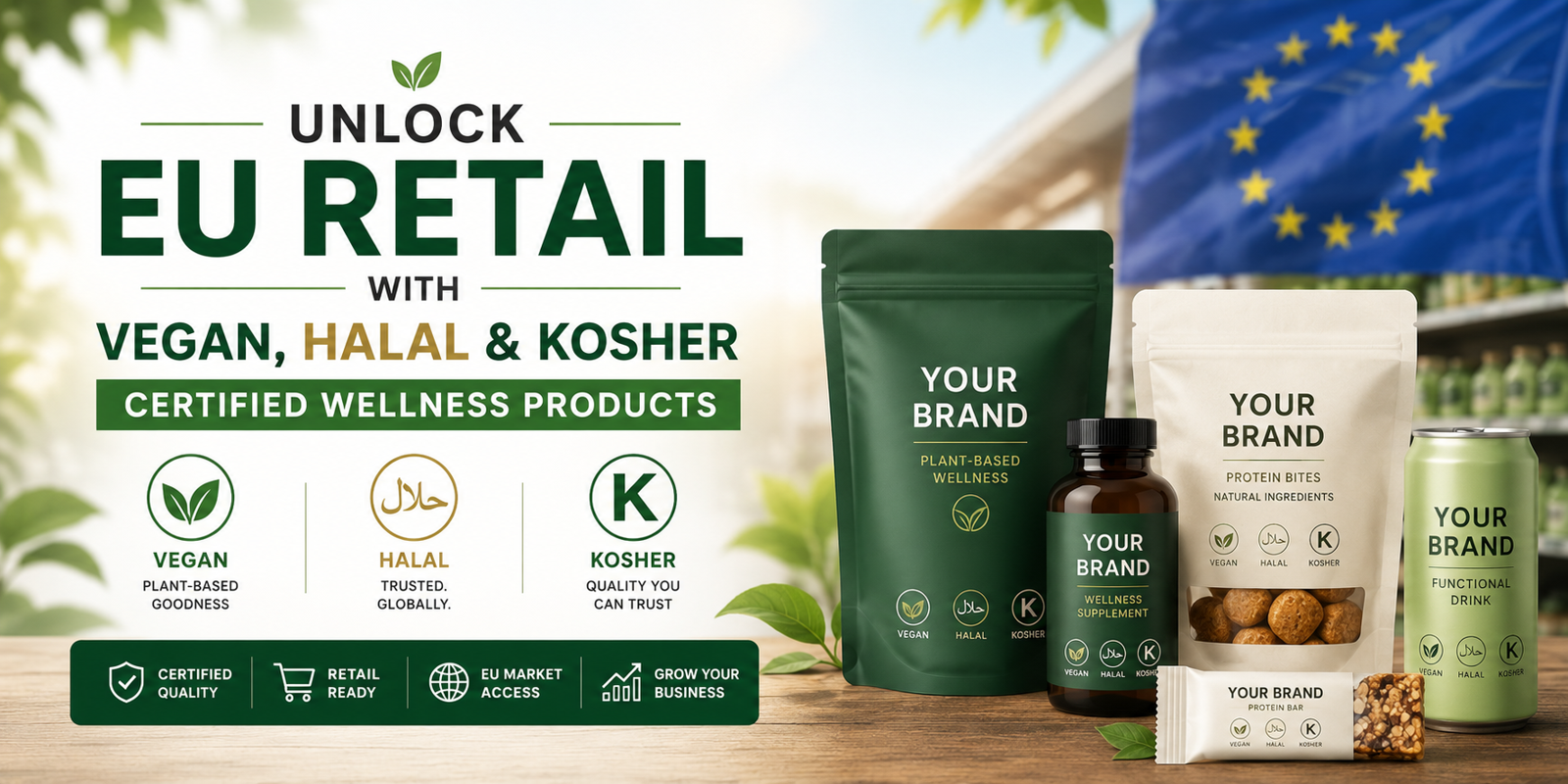
Triple certification (vegan, halal, kosher) is a strategic imperative for European retail, as it guarantees ingredient purity, eliminates animal-derived allergens like gelatin, and appeals to multiple demographic groups simultaneously. This approach reduces supply chain complexity for retailers while meeting the growing demand for inclusive, ethically sound wellness products across EU and MENA mar
TL;DR
- Triple certification (vegan, halal, kosher) is a strategic imperative for European retail, as it guarantees ingredient purity, eliminates animal-derived allergens like gelatin, and appeals to multiple demographic groups simultaneously.
Why Multi‑Certification Is the New Competitive Edge for Wellness Retailers
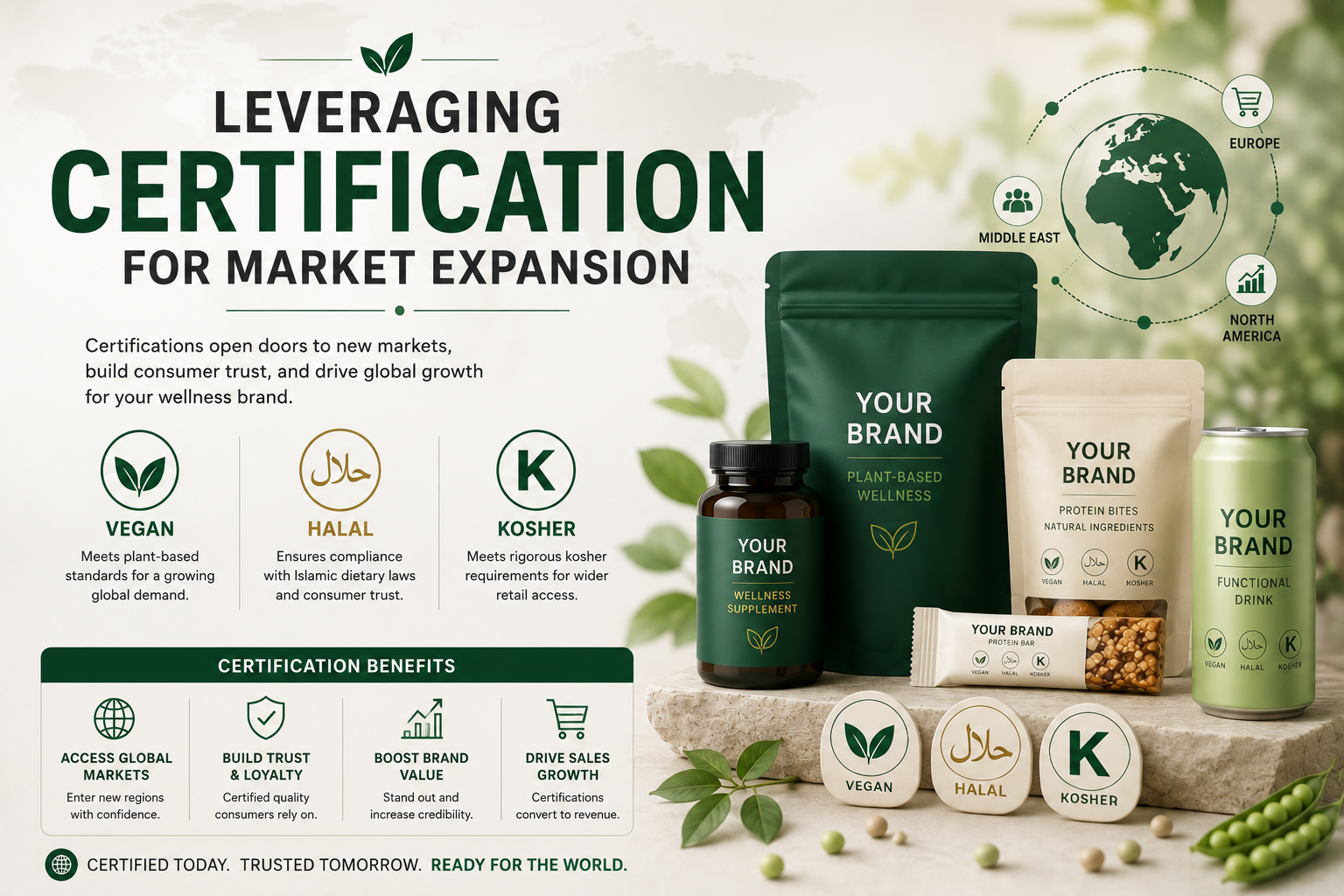
The rise of conscious consumers has turned certification from a niche badge into a core buying signal. When a product carries vegan, halal and kosher marks simultaneously, it opens three distinct market segments that would otherwise require separate SKUs. For retailers, this means higher shelf density, lower inventory risk, and a single marketing narrative that resonates across cultures.
1. The Certification Landscape: What Each Label Guarantees
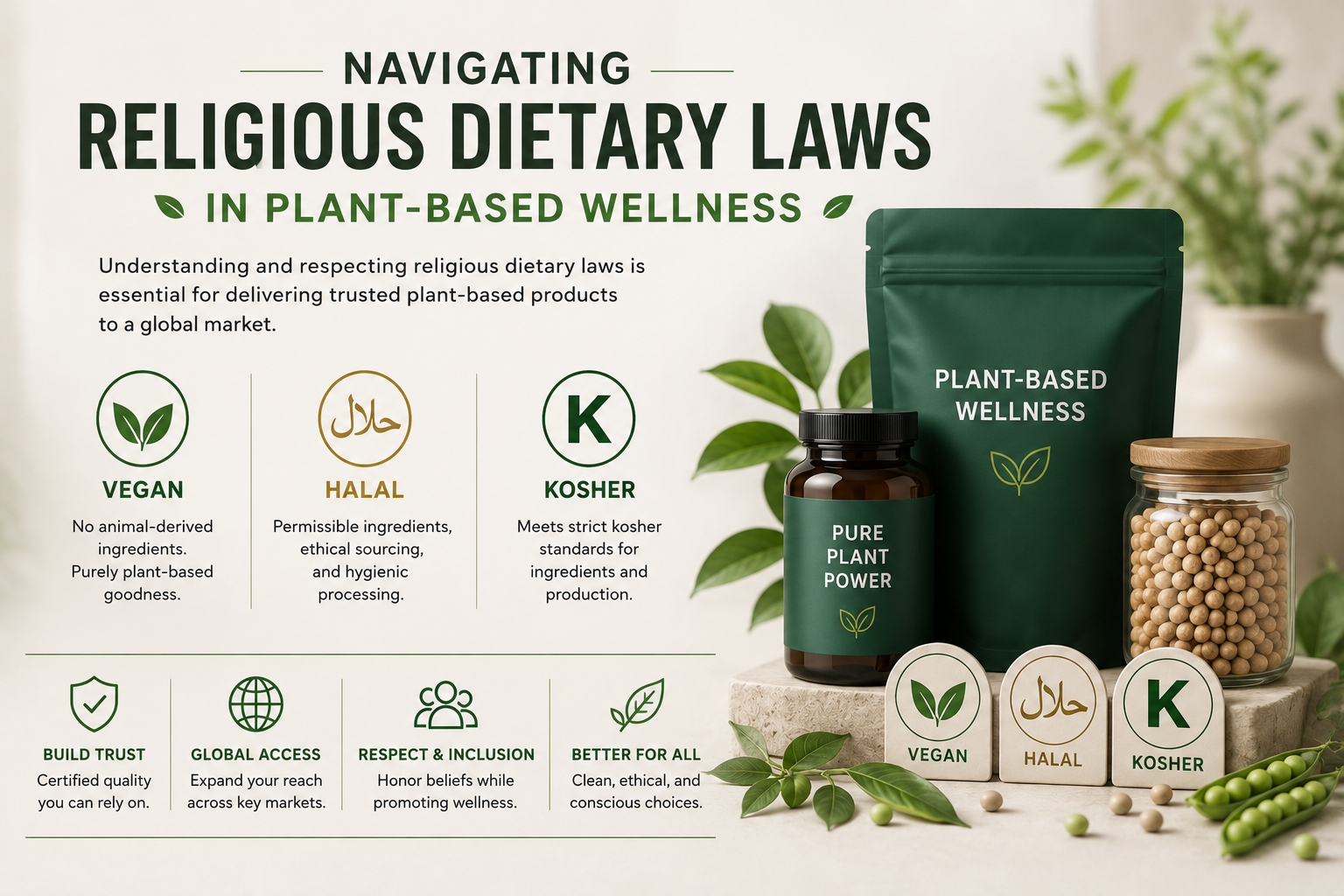
- Vegan – No animal ingredients or by‑products; often implies plant‑based sourcing and no cross‑contamination.
- Halal – Meets Islamic dietary laws, including permissible slaughter methods and exclusion of pork derivatives.
- Kosher – Adheres to Jewish dietary rules, covering ingredient lists, processing equipment, and handling procedures.
When a product satisfies all three, it automatically meets the stricter subset of each standard. For example, a vegan label guarantees no animal fats, which aligns with halal’s prohibition on pork and kosher’s exclusion of non‑kosher meats. This overlap reduces audit complexity for manufacturers and gives retailers confidence that one certification covers multiple consumer concerns.
2. Market Opportunity: Numbers That Matter
The global kosher food market is projected to reach USD 29.7 billion by 2034, growing at a CAGR of 2.89% from 2026 (source: Yahoo Finance). North America alone is expected to hit USD 59 billion by 2033 (LinkedIn Pulse).
Halal certification is similarly expanding, with a growing share of the global food market. A recent article notes that halal and kosher labels often co‑occur with clean‑label claims such as non‑GMO and free‑from (Nutrition Insight).
3. Decision Framework for Retailers: Should You Stock Multi‑Certified Products?
- Assess Your Customer Base – Map the proportion of vegan, halal, and kosher shoppers in your market. If any segment exceeds 10 % of total sales, multi‑certification becomes a strategic priority.
- Evaluate Shelf Space Constraints – A single SKU that satisfies three labels can replace up to three separate items, freeing shelf real estate for higher margin products.
- Analyze Supplier Compliance Costs – Multi‑certified suppliers often bundle audits, reducing per‑label fees. Compare the cost of a triple‑certified product against purchasing three single‑certified equivalents.
- Consider Brand Positioning – If your brand emphasizes inclusivity and ethical sourcing, multi‑certification reinforces that narrative without diluting focus.
- Plan Marketing Collateral – Use a unified tagline such as “Vegan • Halal • Kosher Certified” across all channels. This simplifies messaging for e‑commerce listings, in‑store displays, and social media.
4. Edge Cases: When Multi‑Certification May Not Be Worth It
- Niche Markets – In regions where veganism is negligible, the added cost of halal or kosher certification may not justify the sales lift.
- Ingredient Constraints – Some high‑protein ingredients (e.g., whey) cannot be certified vegan. If your product relies on such components, a triple label is impossible.
- Regulatory Overlap – In certain jurisdictions, halal and kosher certifications are mutually exclusive due to differing animal sourcing rules. Verify local compliance before committing.
5. Practical Example: SwedeVital Protein Bites
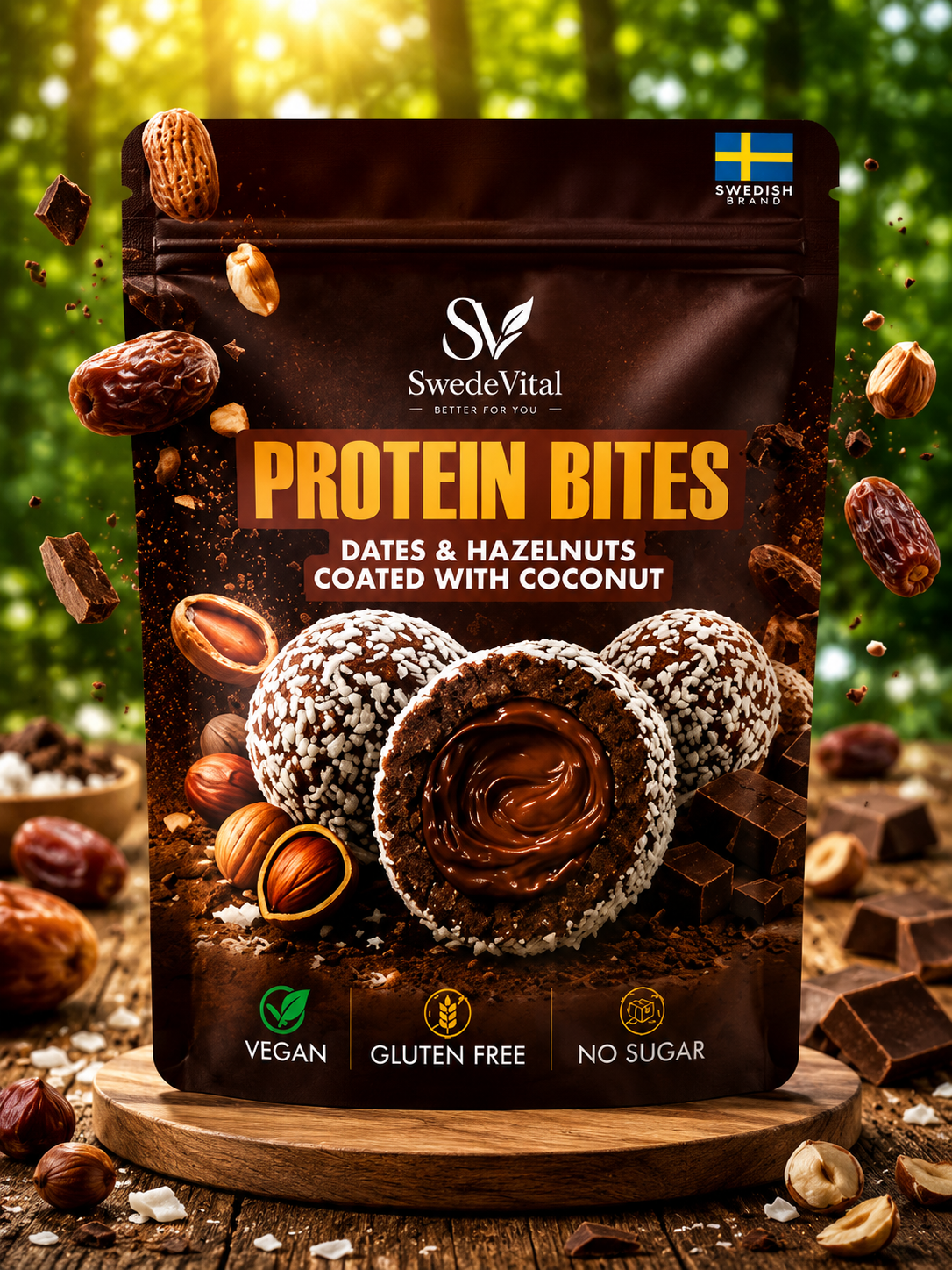
SwedeVital’s protein bites line—Dates & Hazelnuts Coated with Coconut, Dates & Peanuts Brownie, and Swedish Chocolate Ball—are already vegan and halal certified. Adding kosher certification would unlock a new customer segment without altering the formulation.
Vanliga frågor
Why is triple certification important for EU retail?
Triple certification (vegan, halal, kosher) builds trust by guaranteeing no animal derivatives or alcohol are present, appealing to Muslim, Jewish, vegan, and health-conscious consumers simultaneously while simplifying retailer inventory.
How do vegan halal kosher certifications benefit B2B suppliers?
They allow suppliers to offer one inclusive SKU that meets diverse religious and ethical standards, reducing supply chain complexity and opening access to high-growth markets like the MENA region.
What is the VHK acronym in wellness products?
VHK stands for Vegan, Halal, and Kosher, representing a global symbol for products that strictly adhere to rigorous ethical and religious dietary standards.